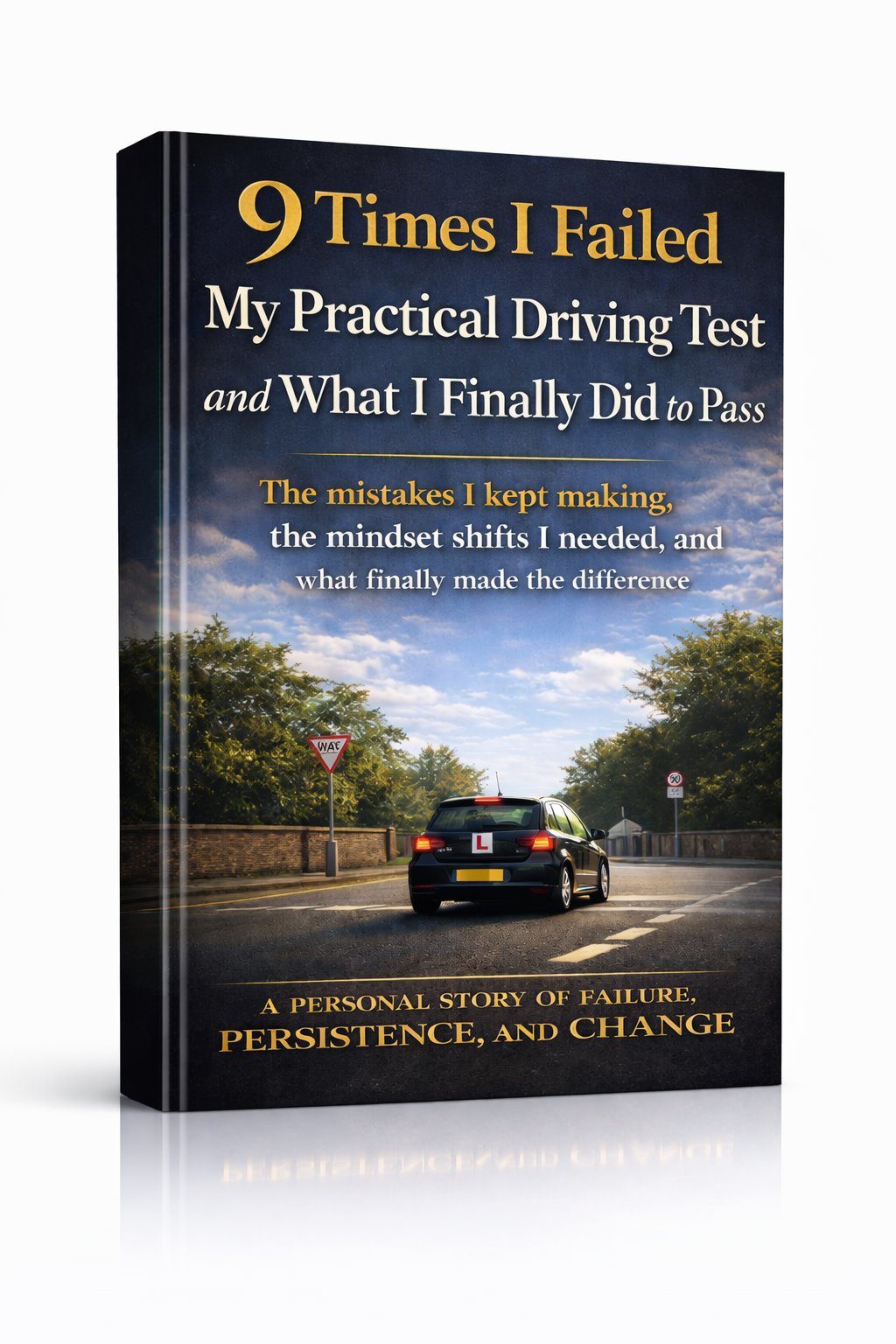
The Benefits of Practising Relaxation Before Your Test
Tests can be nerve-wracking experiences, often leading to heightened stress levels. Practising relaxation techniques before your test can elevate your performance and enhance your overall well-being. Let’s explore the benefits of incorporating relaxation into your pre-test routine.
Reduces Anxiety Levels
Feeling anxious before a test is normal, but managing that anxiety is crucial. Relaxation practices such as deep breathing, meditation, or yoga can significantly decrease your anxiety levels. When you engage in these calming exercises, your body’s stress response is lowered, allowing you to approach your test with a clearer mind.
Improves Concentration
Relaxation techniques enhance mental clarity, making it easier for you to concentrate during your test. By calming your mind, you can focus better on the questions at hand rather than letting anxiety distract you.
Enhances Memory Recall
When you’re relaxed, your brain is wired to function more effectively. Studies suggest that stress can inhibit your ability to recall information. Engaging in relaxation before a test helps to improve memory retrieval, allowing you to access the information you’ve studied more easily.
Boosts Confidence
Practising relaxation techniques can help build your confidence. When you feel calm and collected, you’re more likely to trust your abilities and knowledge. This boost in self-assurance can lead to better performance during the test.
Promotes Better Decision-Making
Stress can lead to rushed or poor decision-making during a test, affecting your choices. Relaxation helps clear your mind, enabling you to think critically and make thoughtful decisions about the answers you provide.
Encourages Positive Thinking
When you’re relaxed, you’re more inclined to cultivate a positive mindset. This shift in perspective can counteract negative thoughts that may hinder your performance. Practicing positive affirmations during your relaxation routine can reinforce this state of mind.
Provides Physical Benefits
Relaxation techniques offer physical advantages as well. By reducing stress levels, these methods can lower your heart rate and blood pressure, ensuring that your body isn’t under undue strain when it’s time for your test.
Effective Relaxation Techniques
Here are some effective relaxation techniques you can practice before your test:
- Deep Breathing: Inhale deeply through your nose, hold for a few seconds, then exhale slowly through your mouth.
- Meditation: Spend a few minutes in silence, focusing on your breath and letting go of distractions.
- Progressive Muscle Relaxation: Tense and then relax each muscle group, starting from your toes and working up to your head.
- Visualization: Picture yourself in a peaceful environment or recall a time when you felt confident and strong.
Creating a Pre-Test Relaxation Routine
To effectively incorporate relaxation into your study routine, consider the following tips:
| Time | Activity | Duration |
|---|---|---|
| One Week Before | Start daily relaxation exercises | 10-15 minutes |
| Three Days Before | Increase relaxation time | 20-30 minutes |
| Day Before | Practice visualization for upcoming test | 10 minutes |
| Day Of | Engage in deep breathing right before test | 5 minutes |
By organizing your relaxation techniques into a routine, you can facilitate a smoother testing experience. Not only will you feel more at ease, but you are also building a strategy that can lead to better grades.
Whether it’s a math exam or a driving test, remember the link between relaxation and performance. Explore resources such as Mayo Clinic or Verywell Mind for more techniques on managing test anxiety and improving your relaxation skills. Your success lies not just in studying, but also in nurturing a calm and focused mind.
Techniques for Effective Relaxation: From Breathing to Meditation
In today’s fast-paced world, finding effective relaxation techniques can significantly improve your mental and physical well-being. Whether it’s preparing for a big test, a stressful work presentation, or simply unwinding after a long day, incorporating relaxation into your routine is essential. This article explores various techniques, from breathing exercises to meditation, that can help you achieve a state of calm.
Understanding the Importance of Relaxation
Relaxation plays a crucial role in managing stress and anxiety levels. When you practice techniques that promote relaxation, your body responds positively, reducing heart rate and lowering blood pressure. This physical response contributes to improved focus, increased productivity, and better emotional health.
Breathing Techniques
Breathing techniques are among the simplest and most effective ways to promote relaxation. Here are a few methods to help you:
- Deep Breathing: Inhale deeply through your nose for a count of four, hold for a count of seven, and exhale through your mouth for a count of eight. Repeat several times to feel a sense of calm.
- Abdominal Breathing: Focus on breathing from your diaphragm rather than your chest. This allows you to take in more oxygen and enhances relaxation.
- 4-7-8 Breathing: Similar to deep breathing, this technique encourages you to inhale for four counts, hold for seven counts, and exhale for eight counts. This method calms the nervous system.
Progressive Muscle Relaxation
Progressive muscle relaxation is a technique that involves tensing and then relaxing different muscle groups in your body. This method helps to identify areas where you might be holding tension.
- Start with your toes and slowly work your way up to your head.
- Tense each muscle group for five seconds, then release and focus on the sensations of relaxation that follow.
- This technique is especially useful if you carry stress in specific areas, such as your shoulders or jaw.
Meditation Techniques
Meditation can be a powerful tool for relaxation, helping to quiet your mind and bring focus to the present moment. Here are some popular meditation techniques:
- Mindfulness Meditation: Focus on your breath and become aware of your thoughts without judgment. If your mind wanders, gently bring your focus back to your breathing.
- Guided Meditation: Use audio recordings or apps that provide guided sessions. These sessions can help direct your thoughts and enhance relaxation.
- Loving-Kindness Meditation: This technique involves repeating phrases of goodwill and kindness towards yourself and others, promoting a sense of compassion and peace.
Visualization Techniques
Visualization involves creating a mental image of a peaceful setting, which can induce relaxation. Here’s how to practice it:
- Find a quiet place and close your eyes.
- Imagine a serene location, such as a beach or forest.
- Focus on the details—what you see, hear, and feel in this peaceful space.
This technique not only helps you relax but also encourages a sense of escapism from stressors.
Establishing a Relaxation Routine
To maximize the benefits of relaxation techniques, it’s essential to establish a routine. Here are some tips:
- Set aside a specific time each day dedicated to relaxation.
- Experiment with different techniques to find what works best for you.
- Incorporate relaxation into your pre-test routine to help calm nerves.
Resources for Further Exploration
If you’re looking to delve deeper into relaxation techniques, consider checking out the following resources:
- Meditation Oasis – Offers guided meditations and relaxation resources.
- Headspace – A popular app for mindfulness and meditation.
- Verywell Mind – Detailed guides on muscle relaxation and mindfulness techniques.
These techniques into your life can lead to a more relaxed state of being, enabling you to tackle challenges with greater ease and confidence. Make relaxation a priority, and watch how it enhances your daily experiences.
How Relaxation Impacts Your Brain and Performance
Relaxation plays a crucial role in shaping how your brain functions and directly impacts your performance, especially during critical moments like tests and exams. When you learn to relax, you create a positive environment for your brain to thrive. Let’s explore how practicing relaxation can enhance your brain and boost your overall performance.
The Science Behind Relaxation
Relaxation triggers a cascade of physiological responses that benefits your brain. It reduces the production of stress hormones like cortisol, which can hinder cognitive functions. When you engage in relaxation techniques, such as deep breathing or meditation, you shift your brain’s focus from stress to calmness, enabling better decision-making and clearer thinking.
Types of Relaxation Techniques
There are various relaxation methods you can adopt before a test or performance. Here are some effective techniques:
- **Deep Breathing**: Inhale slowly through your nose, hold for a few seconds, and exhale through your mouth. This practice calms your nervous system.
- **Progressive Muscle Relaxation**: Tense each muscle group for a few seconds and then release. This technique alleviates physical tension.
- **Meditation**: Set aside a few minutes to sit in silence, focusing on your breath or a mantra to clear your mind. Meditation has been proven to improve attention and memory.
- **Mindfulness**: Engage fully with the present moment, noticing your surroundings and thoughts without judgment. This skill can decrease anxiety and improve focus.
The Benefits of Relaxation Before a Test
Engaging in relaxation practices before a test comes with multiple benefits:
| Benefit | Description |
|---|---|
| Reducing Anxiety | Relaxation techniques decrease feelings of anxiety, enabling you to approach tests with a calmer mindset. |
| Enhancing Focus | A relaxed mind can concentrate better, making it easier for you to understand and recall information. |
| Boosting Memory | Calmness during study and test time helps to establish better memory retention. |
| Improved Problem Solving | Relaxation enhances creativity and boosts your ability to think outside the box, helpful for complex problem-solving. |
How to Implement Relaxation Practices
Integrating relaxation techniques into your daily routine can yield significant benefits when test day arrives. Here are some tips to get started:
- Start Small: Dedicate just 5-10 minutes each day to practice relaxation methods.
- Create a Comfortable Space: Find a quiet place where you can focus without distractions.
- Consistency is Key: Try to practice at the same time daily to build a habit.
- Incorporate with Studying: Use relaxation techniques before and after study sessions to enhance retention.
Real-World Examples
Many students have successfully utilized relaxation techniques to improve their test outcomes. For instance, studies show that students who practiced mindfulness before exams experienced lower stress levels and improved scores. These techniques can empower you to take control of your anxiety and regain confidence.
You can find more information and resources on this topic at Verywell Mind and PubMed Central.
Understanding how relaxation impacts your brain and performance can set the foundation for achieving your academic goals. With practice and patience, you can harness this powerful tool to bring out your best on test day.
Overcoming Test Anxiety Through Relaxation Strategies
Test anxiety can feel overwhelming, but practicing relaxation strategies is a powerful way to calm your nerves. When you face an important exam, stress can cloud your thinking and hinder your performance. relaxation techniques into your routine helps to alleviate this anxiety and allows you to approach tests with confidence. Here’s how you can benefit from practicing relaxation before your test.
Physical Relaxation Techniques
Physical relaxation methods help to reduce tension in your body. Try these techniques:
- Deep Breathing: Take slow, deep breaths. Inhale deeply through your nose, hold for a few seconds, and exhale slowly through your mouth. This simple act calms your nervous system.
- Progressive Muscle Relaxation: Focus on tensing and then relaxing each muscle group in your body, starting from your toes and working your way up to your head. This practice decreases muscle tension and promotes relaxation.
- Yoga or Stretching: Gentle movements can relieve physical tension and improve your mood. Poses like ‘Child’s Pose’ or simple stretches are effective ways to loosen up before you start studying or attending a test.
Mental Relaxation Techniques
Your mind plays a significant role in your test performance. Implement these mental relaxation strategies:
- Visualization: Picture yourself taking the test calmly and successfully. Imagine yourself answering questions with confidence. Visualization prepares your mind for real-life experiences.
- Meditation: Spend a few minutes daily focusing on your breath or a particular thought. Meditation enhances focus and clarity while reducing anxiety levels.
- Affirmations: Positive self-talk can change your mindset. Repeat phrases like, “I am well-prepared,” or “I can handle this,” to boost your confidence.
Creating a Relaxing Environment
Your surroundings can significantly impact your stress levels. Consider creating a relaxing study or pre-test environment:
- Comfortable Space: Choose a quiet and comfortable place to study. Ensure your seating and lighting are appropriate for an extended period.
- Motivational Decor: Use visual reminders of your goals and achievements. Posters or quotes that inspire calmness can be beneficial.
- Reduce Distractions: Turn off notifications on devices. Create a distraction-free zone to help improve your concentration.
Time Management and Relaxation
Effective time management reduces the feeling of being rushed and helps manage anxiety. Here are ways to manage your study time:
- Create a Study Schedule: Allocate specific times for each subject or topic you need to review. Ensure breaks are included to avoid burnout.
- Prioritize Tasks: Focus on what you need to learn most and tackle challenging subjects first when your mind is fresh.
- Limit Cramming: Cramming increases stress. Aim to study regularly over time instead of last-minute review sessions.
The Importance of Sleep and Nutrition
Sleep and nutrition also play crucial roles in managing anxiety. Here’s how:
- Prioritize Sleep: Aim for 7-9 hours each night before a test. Quality sleep improves memory retention and boosts your mood.
- Healthy Foods: Eat nutrient-rich foods, such as fruits, vegetables, and whole grains. Avoid heavy meals right before studying, as they can make you sluggish.
Relaxation strategies into your routine not only improves your performance on tests but can also enhance your overall well-being. By taking the time to relax and manage stress, you set yourself up for success. For more insights on managing test anxiety, visit Verywell Mind or check NIMH’s Mental Health Resources for guidelines on stress management.
By practicing these relaxation techniques before your test, you’ll likely find yourself feeling calmer, more focused, and ready to perform at your best. Remember, a relaxed mind is a powerful tool for academic success!
Creating a Pre-Test Relaxation Routine: Tips and Tricks
The lead-up to a test can be filled with anxiety and stress, but creating a pre-test relaxation routine can significantly improve your performance and mindset. By incorporating simple techniques, you can prepare yourself mentally and physically, allowing for a smoother testing experience. Here are some effective tips and tricks to develop your own personalized relaxation routine.
Understanding the Importance of Relaxation
Before diving into specific techniques, it’s essential to know why relaxation is beneficial before a test. When you practice relaxation techniques, you:
- Reduce anxiety levels
- Enhance concentration and focus
- Improve memory retention
- Maintain emotional balance
By establishing a calming routine, you set the tone for a positive test experience, allowing your mind to work at its best.
Create a Comfortable Environment
Your surroundings can greatly affect your ability to relax. Here are some tips to create a soothing space:
- Choose a quiet area with minimal distractions.
- Adjust the lighting to a soft glow.
- Keep your space organized and decluttered.
Making a comfortable environment helps signal your brain that it’s time to relax and focus.
Breathing Exercises
One of the easiest and most effective ways to relax is through deep breathing exercises. Here’s a simple technique to try:
- Find a comfortable position, either sitting or lying down.
- Take a deep breath in through your nose for a count of four.
- Hold your breath for four counts.
- Exhale slowly through your mouth for a count of six.
- Repeat this process for a few minutes until you feel more at ease.
Deep breathing helps lower your heart rate and promotes feelings of calm.
Incorporate Mindfulness or Meditation
Meditation can help clear your mind and reduce any racing thoughts. Here’s how to meditate effectively:
- Sit or lie down in a quiet space.
- Close your eyes, and focus on your breath.
- Allow thoughts to drift without trying to analyze them.
- Stay in this meditative state for a set period, such as 5 to 10 minutes.
Apps like Headspace provide guided meditations perfect for beginners.
Stretching and Light Exercise
Gentle stretching or a bit of light exercise can lower tension and activate endorphins. Here’s a simple stretching routine to follow:
- Neck rolls
- Shoulder shrugs
- Wrist and ankle circles
- Gentle side bends
Even a short walk can create a boost in mood and relaxation levels. Aim for around 15-20 minutes.
Prepare Mentally and Practically
Preparation can ease anxiety. Here’s a checklist to ensure you’re ready before the big day:
| Preparation Step | Details |
|---|---|
| Review material | Go over notes or practice questions. |
| Gather materials | Have your tools (pencils, ID, calculator) ready. |
| Set a schedule | Create a timeline for studying and relaxation. |
By preparing ahead, your mind can focus solely on the test rather than logistics.
Limit Caffeine and Sugar Intake
Before your test, try to reduce your consumption of caffeinated drinks and sugary snacks. These can elevate your heart rate and cause jitters. Instead, opt for water or herbal teas to keep yourself hydrated and calm.
Reflect and Affirm
Take a moment to reflect on your preparation and set positive affirmations. Repeat reassuring phrases to yourself, such as “I am prepared,” or “I will do my best.” This motivational practice can boost your confidence and reduce stress.
These techniques into your pre-test routine not only benefits your mental well-being but also promotes better performance. For more insights on handling test anxiety, check out resources like Verywell Mind. Tailor your relaxation routine to suit your unique needs, and you’ll likely find that you approach your test with greater ease and confidence.
The Role of Visualization in Enhancing Relaxation and Focus
Many people struggle with stress, especially when preparing for important events like exams or presentations. One highly effective technique to counteract this stress is the use of visualization, which helps enhance relaxation and focus. By imagining positive outcomes, you can not only calm your nerves but also improve your performance.
Visualization is a mental exercise that involves picturing desirable scenarios and outcomes in your mind. This practice can significantly lower anxiety levels, allowing you to approach your test or performance with increased calmness and confidence. The process helps your brain create a sense of familiarity with the situation you are about to face, making it less intimidating.
Here are some ways visualization can enhance relaxation and focus:
- Stress Reduction: Visualizing a peaceful outcome, such as receiving a good grade or successfully completing a task, can help shift your mind away from anxious thoughts. This not only calms you but can also lower your heart rate and help you breathe easier.
- Improved Confidence: Picturing yourself succeeding helps boost your self-esteem. When you visualize yourself performing well, it reinforces the belief that you can indeed achieve your goals, which is crucial when you need focus during a test.
- Enhanced Concentration: Visualization trains your brain to stay centered on what you want to achieve. By vividly imagining the steps you need to take to succeed, the distractions fade away, allowing you to channel all your mental energy into focusing on the task at hand.
- Physical Relaxation: Engaging in visualization can also have physical benefits. By imagining a tranquil scene, such as a beach or forest, you can lower your cortisol levels, leading to overall relaxation and a clearer mind.
- Better Preparation: By visualizing each step of your upcoming test, from walking into the exam room to answering questions confidently, you can mentally prepare yourself for various scenarios. This thorough mental rehearsal can familiarize you with potential challenges, making them easier to handle when they arise.
To practice effective visualization, follow these steps:
- Find a Quiet Space: Choose a comfortable, distraction-free environment where you can relax and focus.
- Take Deep Breaths: Start with some deep breaths to calm your mind and body. Inhale slowly through your nose, hold for a moment, and exhale through your mouth.
- Visualize the Scene: Imagine yourself in the test environment. Picture every detail, from the exam paper to how you will feel while completing it.
- Focus on Positive Outcomes: Envision yourself confidently solving problems, writing answers, and feeling proud of your work as you finish.
- Repeat Regularly: Incorporate visualization into your routine, especially in the days leading up to your test. The more you practice, the easier it will become.
Scientific studies support the effectiveness of visualization in enhancing relaxation and focus. Research conducted by the National Center for Biotechnology Information suggests that mental imagery can influence cognitive and psychological factors, leading to better performance. By employing visualization, students often report feeling calmer, more prepared, and more focused during exams.
Additionally, professional athletes frequently use visualization techniques to enhance their performance. They imagine every detail of their sport, from the feeling of the equipment in their hands to the sound of a cheering crowd. This training allows them to experience the activities in their minds, honing their skills and sharpening their mental edge.
Embracing visualization as a relaxation technique can significantly bolster your confidence and concentration when facing tests. You have the power to shape your experience through the imagery you create in your mind. As you practice regularly, allow yourself the freedom to visualize the best version of yourself—unrushed, poised, and successful. Remember, a calm and focused mind is just a few visualizations away.
For further exploration into visualization and relaxation techniques, consider visiting Psychology Today for expert insights and resources.
Real-Life Success Stories: How Relaxation Changed Test Outcomes
Many students face anxiety before tests, but real-life success stories reveal how relaxation techniques have transformed their outcomes. These stories show the power of calming the mind and body to enhance performance and build confidence.
One success story comes from Sarah, a college student preparing for her final exams. Overwhelmed by the immense pressure, she decided to explore relaxation techniques. She started with deep breathing exercises, practicing regularly before each study session. On the day of her first exam, she dedicated a few minutes to relaxing her body and mind. The results were astonishing; she not only felt more confident but also performed better than she had anticipated. Sarah’s story demonstrates how incorporating simple relaxation techniques can lead to improved test outcomes.
Another inspiring tale is that of Jason, a high school student who often felt paralyzed by anxiety during tests. After seeking help from a school counselor, he learned about mindfulness meditation. Initially skeptical, he gave it a try and set aside ten minutes daily for mindfulness practices. As the weeks passed, he noticed a significant reduction in his anxiety levels. When testing day arrived, Jason practiced his mindfulness techniques right before entering the exam room. The experience left him feeling calm and focused, and he achieved a score he had once thought impossible.
Relaxation doesn’t have to be complicated. Many students can benefit from using techniques as simple as scheduling regular breaks during study time to avoid burnout. Understanding the importance of self-care, Jenna, another student, established a routine that included exercise, healthy snacks, and guided relaxation sessions. As a result, she found herself more focused and less anxious, and her grades improved significantly.
Furthermore, a group of students from a university conducted a test comparing two study groups. One group practiced relaxation techniques, while the other did not. The results were quite telling:
| Group | Average Test Score | Anxiety Level (1-10) |
|---|---|---|
| Relaxation Techniques | 88 | 3 |
| Control Group | 76 | 7 |
The data shows not only higher test scores for those who practiced relaxation but also lower anxiety levels. This illustrates a strong connection between a calm mindset and academic success. It’s evident that taking time to relax can yield impressive results.
Another example is from a nursing student named Mia, who faced a crucial licensing exam. Knowing the material wasn’t enough; she needed to find mental clarity. Mia incorporated yoga and meditation into her daily routine. On exam day, she reserved time in the morning for gentle yoga and focused breathing exercises. The end result? She passed with flying colors and felt more prepared than ever. Mia’s journey highlights the importance of physical relaxation in achieving academic goals.
In all these cases, the key to improvement lay in adopting relaxation practices. Stress is a common issue faced by students of all ages. Yet, these real-life stories demonstrate that proactive measures, such as practicing relaxation techniques, can lead to more favorable results.
If you want to explore more about relaxation techniques and their benefits, consider checking resources from the following:
Ultimately, relaxation techniques can be a simple yet effective strategy to change test outcomes. By reducing anxiety and fostering a focused mindset, students can unlock their full potential on test day. These real-life success stories serve as inspiring reminders that with the right approach, anyone can enhance their test-taking experience. Embrace relaxation, and allow it to positively transform your academic journey.
Key Takeaway:
Key Takeaway: The Transformative Power of Relaxation Before Tests
Practicing relaxation before your test can be a game-changer, impacting not just your immediate performance but also your overall mindset and approach towards challenges. The benefits of incorporating relaxation techniques are numerous. First, relaxation helps to quiet your mind and reduce anxiety—common hurdles that many face before a test. Techniques like deep breathing and meditation can serve as powerful tools to calm your nerves and set a focused mindset, ensuring that you approach your test with clarity rather than overwhelm.
Our brains, when relaxed, function optimally. Studies indicate that relaxation enhances cognitive processes such as memory recall, problem-solving, and critical thinking. When you free your mind from stress and tension, you create an environment in which your brain can flourish, allowing the knowledge you’ve worked hard to acquire to surface easily during the test. Relaxation, therefore, is not merely about feeling good; it’s about enabling your brain to perform at its best.
Test anxiety can feel paralyzing, but by employing relaxation strategies, you can regain control over your emotional response. Techniques such as progressive muscle relaxation and guided visualizations can help distract you from anxious thoughts and redirect your focus towards positive outcomes. Creating a pre-test relaxation routine that includes these strategies can significantly bolster your confidence while fostering a sense of calmness in the lead-up to exam day.
Visualization is particularly effective for enhancing relaxation. Picture yourself walking into the exam room, feeling relaxed and composed. Visualize your success. This practice not only alleviates anxiety but also primes your mind for success, setting a positive trajectory for your performance.
Real-life success stories back up the effectiveness of these techniques. Many individuals have reported improved test outcomes after implementing a structured relaxation regimen before tests. These anecdotes underscore the notion that relaxation is not just a luxury; it’s a necessity for optimal performance. By prioritizing relaxation, you can transform your test experience from one filled with fear to one brimming with confidence and success. Embrace these practices, and watch how they elevate not just your test scores, but your overall approach to learning and growth.
Conclusion
Practicing relaxation before your test can be a game-changer in achieving optimal performance. effective techniques, such as deep breathing and meditation, allows you to manage stress levels and stay calm. These relaxation methods not only ease your mind but also enhance brain function, making it easier to recall information and think clearly during the exam.
As we’ve explored, test anxiety is a common barrier to success, but utilizing relaxation strategies effectively helps you overcome it. By creating a personalized pre-test relaxation routine, you set a positive tone for the day, ensuring that you approach the test with confidence and focus. Visualization plays a crucial role in this journey. By picturing yourself in a calm, successful state, you mentally prepare for the task ahead.
Real-life success stories illustrate the profound impact relaxation can have on test outcomes. Many students have experienced significant improvements in their scores simply by taking the time to relax before their exams. This emphasizes the importance of not underestimating the power of a few quiet moments before diving into your last-minute reviews or the test itself.
Embracing relaxation as a fundamental part of your preparation can not only mitigate anxiety but also boost your overall performance. Remember, it’s not just about preparing academically but also nurturing your mental well-being. Make relaxation a priority, and watch as it transforms your test-taking experience, leading you to success.