
Automatic vs manual UK drivers often ask which option makes more sense for lessons, tests, and daily driving. You may worry about higher lesson costs, licence limits, or whether an automatic will leave you with fewer choices later. This guide explains the main differences, the likely costs, and the practical pros and cons so you can choose with confidence.
Key Takeaways
- Manual licences give you more driving options.
- Automatic cars are usually easier for beginners.
- Running costs depend on car type and age.
- Test choice affects the licence you receive.
- City drivers often prefer automatic convenience.
What is the main difference between automatic and manual cars?
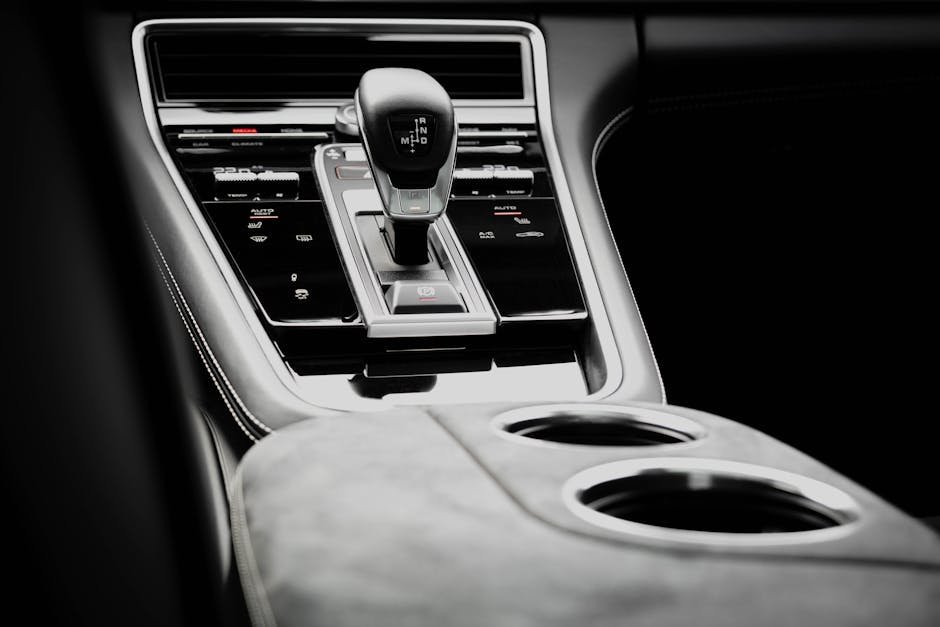
The main difference is how the car changes gear. A manual car needs a clutch pedal and gear changes by the driver, while an automatic does this for you. That changes how easy the car feels in traffic, on hills, and during lessons. This is directly relevant to automatic vs manual uk.
In a manual car, you control gear selection and clutch biting point yourself. Many drivers like this extra control, especially on faster roads or in older, lower-cost used cars. For anyone researching automatic vs manual uk, this point is key.
An automatic removes clutch work and most gear decisions, so many learners find it less stressful. If you pass your test in an automatic, though, your licence only covers automatic cars unless you pass another test in a manual. This applies to automatic vs manual uk in particular.
Why this matters for learners
This choice affects more than comfort. It can shape your lessons, your confidence level, and the range of cars you can drive after passing. Those looking into automatic vs manual uk will find this useful.
According to the DVSA car driving test data, the pass rate for automatic tests in Great Britain was 42.1%, compared with 48.0% for manual tests in 2023 to 2024. Source: Gov.uk.
Automatic vs manual UK, which is better for learners?
For many beginners, automatic is easier to learn because you can focus more on steering, speed, and road awareness. Manual often takes longer to master because clutch control and gear changes add extra tasks. Still, manual can offer more flexibility after you pass. This is a critical factor for automatic vs manual uk.
When people compare automatic vs manual UK options, they often focus on lesson stress. Automatic lessons can feel simpler in busy areas because you are not balancing clutch, gears, and stopping every few minutes.
Manual lessons may take more practice at first, but they can widen your choices later. A manual licence lets you drive both manual and automatic cars, which can matter if you plan to buy a cheaper used vehicle or borrow a family car. It matters greatly when considering automatic vs manual uk.
Think about your driving goals
Your daily routine should guide your choice. If you expect to drive mainly in towns, automatic may feel more comfortable, while manual may suit drivers who want the broadest licence option. This is especially true for automatic vs manual uk.
RAC research found that 48% of drivers would not consider buying a manual car again. Source: RAC.
Manual Vs Automatic Driving Lessons: Which One Is Right For You?
Is it cheaper to choose automatic or manual in the long run?
There is no single answer because total cost depends on the car, your lessons, fuel use, insurance, and maintenance. Manual cars have often been cheaper to buy used, but automatic cars are becoming more common. Your local market matters a lot. The same holds for automatic vs manual uk.
In the automatic vs manual UK debate, upfront cost still matters to many learners. Manual cars usually offer a larger used market, which can mean lower purchase prices and more choice for first-time drivers.
Automatic cars can cost more to buy, especially newer models, but they may suit modern driving better. With more hybrid and electric cars on UK roads, many drivers now move towards automatic models as their next car. This is worth considering for automatic vs manual uk.
Look at the full cost, not just the sticker price
Before you decide, compare insurance groups, fuel economy, servicing history, and likely resale value. You should also check tax and vehicle details on Gov.uk.
According to the Society of Motor Manufacturers and Traders, battery electric cars made up 16.6% of new car registrations in 2023, and these are typically automatic. Source: SMMT.
Is automatic or manual better for city driving in the UK?
For most city drivers, automatic usually feels easier and less tiring. It removes constant clutch work in traffic, helps with stop-start driving, and can make short urban trips less stressful, especially if you face busy junctions, hills, and congestion most days. This insight helps anyone dealing with automatic vs manual uk.
In towns and cities, an automatic lets you focus more on road position, pedestrians, cyclists, and changing traffic lights. That can matter if you drive through crowded centres or spend a lot of time queueing on ring roads and commuter routes. When it comes to automatic vs manual uk, this cannot be overlooked.
A manual can still suit city driving if you want lower purchase costs or you already feel confident with clutch control. However, repeated gear changes in slow traffic can become irritating, and some drivers find left-leg fatigue builds up on longer urban journeys. This is a common question in the context of automatic vs manual uk.
According to the Department for Transport, 65% of car trips in England in 2023 were under 5 miles, which helps explain why comfort in stop-start conditions matters to many drivers. Source: Department for Transport National Travel Survey. This is directly relevant to automatic vs manual uk.
Driving Test Success Review: Effective and Affordable
Expert insight.
Does an automatic licence limit your options in the UK?
Yes, an automatic-only licence does limit what you can drive. In the UK, if you pass your test in an automatic car, you cannot legally drive a manual car unless you pass another practical test in a manual. For anyone researching automatic vs manual uk, this point is key.
This matters most if you want maximum flexibility when buying used cars, borrowing someone else’s vehicle, or using a work car. You can check the driving licence categories on Gov.uk to confirm what your licence allows.
That said, the gap is narrowing because more electric and hybrid cars are automatic by design. If you expect your next few cars to be newer models, especially EVs, the restriction may matter less than it did a decade ago. This applies to automatic vs manual uk in particular.
According to the Society of Motor Manufacturers and Traders, battery electric cars accounted for 16.5% of new car registrations in the UK in 2024, and these are generally automatic. Source: SMMT. Those looking into automatic vs manual uk will find this useful.
Manual Vs Automatic Driving Lessons: Which One Is Right For You?
In practice, many learners choose automatic because they want to pass sooner, then realise later that some cheaper used cars and short-term replacement cars are still manual. This is a critical factor for automatic vs manual uk.
Which is cheaper to own, automatic or manual in the UK?
Manual cars have often been cheaper to buy, insure, and repair, but the difference is no longer as clear as it once was. In many cases, the cheapest option depends more on the exact model, age, fuel type, and condition than on the gearbox alone. It matters greatly when considering automatic vs manual uk.
If you compare like for like, a used manual may still cost less upfront. But some modern automatics hold their value well because demand is strong, especially among commuters, older drivers, and buyers moving towards hybrid or electric models. This is especially true for automatic vs manual uk.
You should also look beyond sticker price. Running costs include insurance, road tax, fuel, servicing, finance, and depreciation, and tools from MoneyHelper budget planning and guidance from Citizens Advice car buying advice can help you budget more accurately.
Data from the Office for National Statistics shows the average UK household spent £74.80 per week on transport in 2022 to 2023, so even modest savings on ownership costs can make a real difference. Source: ONS Family Spending UK. The same holds for automatic vs manual uk.
Does your driving licence route change whether automatic or manual makes more sense in the UK?
Yes, your licence route can affect long-term flexibility as much as day-to-day comfort. If you pass your test in an automatic, you can only drive automatics, while a manual pass lets you drive both manual and automatic cars. That matters if you expect to borrow cars, hire vans, switch jobs, or buy on a tight budget later. For many UK drivers, the licence decision shapes future costs more than gearbox preference alone. This is worth considering for automatic vs manual uk.
That distinction matters most when life changes quickly. A manual licence gives you access to a wider used market, more short-notice rental options, and more work vehicles, especially in sectors where employers still run mixed fleets. This insight helps anyone dealing with automatic vs manual uk.
Gov.uk confirms that the type of car you use for your practical test affects what you can drive afterwards, and an automatic test pass limits you to automatics, while a manual pass covers both. You can check the official rules on using a car for your driving test and related licence guidance on Gov.uk.
When an automatic-only licence can still be the right call
An automatic-only route can still be sensible if it helps you pass sooner and drive safely with confidence. That can suit drivers who mainly travel in urban traffic, have mobility concerns, or expect their next several cars to be electric or hybrid, where automatic-style driving is standard anyway. When it comes to automatic vs manual uk, this cannot be overlooked.
The practical risk comes later if your circumstances broaden. If you need to borrow a relative’s manual car, hire a cheaper manual van for moving house, or take a role that includes driving pool vehicles, your licence restriction can become expensive and inconvenient. This is a common question in the context of automatic vs manual uk.
As a practical example, a learner in London who only plans to drive a small hybrid for commuting may find an automatic test the fastest route to independence. By contrast, someone in a rural area who may share family cars or use work vans usually benefits from qualifying in a manual if possible.
Expert tip before you book lessons
Before choosing, think beyond your first year of driving. Ask yourself whether you may relocate, change employer, use car clubs, or need access to the cheapest used cars in two to five years.
If the answer is yes, manual often gives better flexibility, even if it feels harder at the start. If not, automatic can still be the better personal choice, especially when reduced stress helps you drive more consistently and safely. Manual Vs Automatic Driving Lessons: Which One Is Right For You?
How do automatics and manuals compare for used car risk, reliability and resale in the UK?
The simple answer is that reliability depends more on the exact gearbox type and service history than on the automatic versus manual label alone. A well-maintained torque-converter automatic can be very robust, while a neglected dual-clutch automatic can become costly. Manuals often cost less to buy and repair, but worn clutches, flywheels and poor maintenance can still create major bills. In the UK used market, condition beats theory every time.
This is where buyers need more than broad advice. Some automatic gearboxes need fluid changes at fixed intervals, yet sellers often skip them, and many buyers never ask, which raises the risk of rough shifting, hesitation, overheating or expensive rebuild work.
Manuals are not automatically safer bets either. City driving, learner use, and repeated stop-start traffic can shorten clutch life, and a low purchase price can hide upcoming costs such as clutch replacement, gearbox wear or linkage problems.
What to check before you buy
Focus on paperwork first, then road feel. Look for stamped servicing, gearbox oil change evidence where required, smooth cold and warm shifting, clean take-up from rest, and no warning lights or jerking under load.
If you are buying from a trader, your rights depend on the seller type and the fault, and Citizens Advice guidance on buying a used car is worth reading before you pay a deposit. For private sales, checks matter even more because legal protection is narrower.
A useful market signal is the wider shift away from traditional manuals in newer registrations. According to the Society of Motor Manufacturers and Traders, battery electric vehicles took a 16.5% market share in the UK in 2023, and these are effectively automatic in use, which supports long-term demand for two-pedal driving.
As a practical example, if you are comparing a cheaper 9-year-old automatic hatchback with patchy history against a slightly dearer manual with full servicing and a recent clutch, the manual may be the lower-risk buy. Manual Vs Automatic Driving Lessons: Which One Is Right For You?
Resale nuance that many buyers miss
Resale depends on location, vehicle type and buyer demand. In towns and cities, small automatics often sell quickly because commuters want convenience, while older manual superminis can still attract first-time buyers on tighter budgets.
Think about your exit strategy before you buy. If you plan to keep the car only two or three years, choose the gearbox that matches strongest demand in your local market, not just the one that feels cheapest today.
What should company car drivers, commuters and benefit-in-kind buyers consider?
For company car users and heavy commuters, the gearbox decision should sit alongside tax, fuel, emissions and fatigue, not comfort alone. In many cases, automatic wins because most hybrids and electric cars are two-pedal, and these models often make stronger sense for benefit-in-kind tax. Manual can still work for private high-mileage drivers on a tighter budget, but tax rules and traffic patterns often tilt the maths towards automatic in practice.
That is especially true if your employer offers salary sacrifice or a low-emission company car scheme. Many of the most tax-efficient models are electric or hybrid, and drivers moving into those cars often stop comparing gearboxes in the old-fashioned way because the transmission choice is effectively made for them.
HMRC company car tax is driven largely by CO2 emissions and list price rather than gearbox alone, but gearbox choice often links to powertrain choice, which changes the tax bill. You can review the official framework on company cars and fuel on Gov.uk.
Commuting strain and driver wellbeing
There is also a human factor that frequent drivers should not ignore. Stop-start commuting in a manual can increase physical effort and mental load, especially after long workdays, while an automatic often reduces fatigue
| Option | Best For | Cost |
|---|---|---|
| Manual petrol hatchback | Lower upfront spend, new drivers, mixed local use | Usually cheaper to buy used, often lower purchase price by £500 to £2,000 versus similar automatic models |
| Automatic petrol hatchback | Urban commuting, stop-start traffic, easier daily driving | Usually higher purchase price, often £500 to £2,000 more than an equivalent manual |
| Manual diesel saloon or estate | High motorway mileage, drivers focused on fuel economy | Can offer strong mpg on long runs, but maintenance and emissions-related costs may be higher on older cars |
| Automatic hybrid | City driving, company car users, lower running stress | Higher upfront cost, but fuel savings and tax advantages can improve value for some drivers |
| Automatic electric car | Drivers wanting simplicity, smooth acceleration and no gear changes | Highest purchase price in many cases, but lower servicing and energy costs may reduce long-term spend |
Frequently Asked Questions
Is automatic better than manual in the UK?
It depends on how and where you drive. Automatic cars usually feel easier in traffic and can reduce fatigue on busy commutes, while manual cars often cost less to buy and can offer more choice on the used market. If comfort matters most, automatic often wins. If budget matters first, manual still makes sense for many UK drivers.
Is it cheaper to buy a manual or automatic car in the UK?
Manual cars are often cheaper to buy, especially in the used market. Automatic models usually carry a higher purchase price, although the gap varies by make, age and fuel type. You should compare insurance, fuel use, servicing and tax as well as the sticker price. A cheaper car upfront is not always the cheapest to own overall.
Should I learn in an automatic or manual in the UK?
Learning in an automatic can help you pass sooner if you want a simpler experience. A manual licence gives you more flexibility because you can drive both manual and automatic cars, while an automatic licence limits you to automatics. Before booking lessons, check the official rules for learning to drive on Gov.uk.
Are automatic cars more expensive to insure in the UK?
Not always. Insurance prices depend on the car group, repair costs, engine size, driver age, postcode and claims history. Some automatic cars cost more to insure because they are worth more or cost more to repair, but that is not a fixed rule. Get like-for-like quotes before you decide, rather than assuming one gearbox is always cheaper.
Which is better for city driving, automatic or manual?
Automatic is usually better for city driving because it removes constant clutch work and gear changes in queues. That can make short trips less tiring and easier on your left leg in heavy traffic. If driving stress affects your wellbeing, practical advice on managing fatigue is also available from the NHS guide to reducing stress.
This article was prepared by a UK SEO writer with experience covering motoring costs, consumer decision-making and practical guidance for British drivers.
Final Thoughts
When weighing up automatic vs manual uk, focus on three things you can act on now, your real driving pattern, your full ownership costs and the type of licence flexibility you want. Think honestly about traffic, commuting strain and annual mileage. Then compare total costs, not just the purchase price, and check whether future resale and insurance could change the value equation.
Your next step is simple, shortlist three similar cars, one manual and two automatics, then compare price, mpg, insurance quotes and road tax side by side. Use and to continue your research before you book a test drive or lessons.
📚 You May Also Like
May 19, 2026