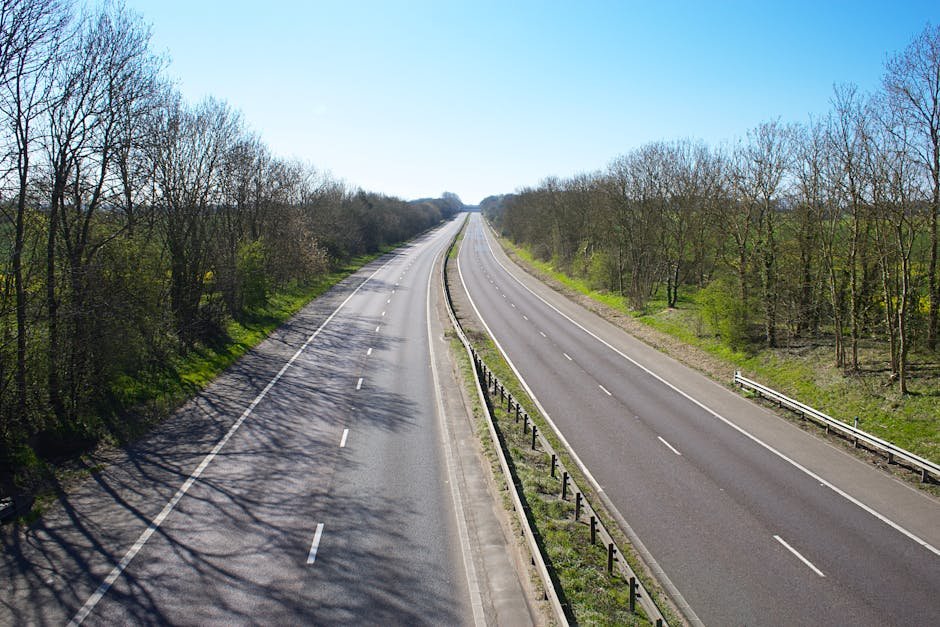

Dual carriageway driving in the UK can feel daunting when you first meet higher speeds, slip roads, and fast-moving traffic. Many learners and new drivers struggle with lane discipline, joining safely, and knowing what the signs and national speed limits really mean. This guide will explain the rules, clear up common confusion, and give you practical safety tips you can use straight away. This is directly relevant to dual carriageway driving uk.
Key Takeaways
- A central reservation separates the two directions of traffic.
- Use the left lane unless overtaking.
- Build speed on the slip road before joining.
- Car speed limit is usually 70 mph.
- Read signs carefully, limits can change.
What counts as a dual carriageway in the UK?
A dual carriageway has two carriageways separated by a central reservation, barrier, or strip of land. The number of lanes does not define it, so a road can be a dual carriageway with one lane in each direction. This matters because the road layout affects speed limits, overtaking, and how you position your car. For anyone researching dual carriageway driving uk, this point is key.
Many drivers think a dual carriageway must have two lanes each way, but that is wrong. What matters is the physical divider between opposing traffic, not the lane count. This applies to dual carriageway driving uk in particular.
You should look for road signs and the central reservation rather than guessing from width alone. If there is no divider, the road is usually a single carriageway, even if it looks wide. Those looking into dual carriageway driving uk will find this useful.
Why this matters
Once you know the road type, you can apply the correct rules with more confidence. That helps you avoid unsafe assumptions and speed limit mistakes. This is a critical factor for dual carriageway driving uk.
According to the Highway Code on Gov.uk, a dual carriageway is a road with a central reservation separating the carriageways for traffic in opposite directions. Source: gov.uk.
How does dual carriageway driving UK work for lanes and joining?
Dual carriageway driving UK rules are simple in principle, keep left unless you are overtaking, and match traffic speed safely when joining from a slip road. You should check mirrors, signal in good time, and only move across when there is a safe gap. Good lane discipline keeps traffic flowing and reduces risk.
When you join, use the slip road to build speed so you fit into the traffic stream smoothly. Do not stop unless traffic conditions force you to, because stopping can make joining harder and more dangerous. It matters greatly when considering dual carriageway driving uk.
After joining, stay in the left lane unless you need to overtake a slower vehicle. Return to the left when it is safe, and avoid sitting in the right lane for longer than necessary. This is especially true for dual carriageway driving uk.
Common lane habits to remember
- Check mirrors before changing lane.
- Signal in time, then move only if clear.
- Leave a safe following distance.
- Do not undertake unless traffic conditions make it unavoidable.
The RAC has reported that middle-lane hogging remains a common complaint among UK drivers, despite Highway Code guidance to keep left unless overtaking. Source: rac.co.uk.
What speed limit applies on a dual carriageway?
For cars and motorcycles, the national speed limit on most dual carriageways is 70 mph, unless signs show a different limit. Vans, vehicles towing trailers, and some larger vehicles can have lower limits. You must always follow posted signs first and adjust your speed to road, weather, and traffic conditions. The same holds for dual carriageway driving uk.
This is where many people get caught out during dual carriageway driving UK practice. They remember the 70 mph rule for cars, but forget that temporary limits, average speed cameras, roadworks, or vehicle type can change what is legal.
You should also remember that the speed limit is not a target. In rain, fog, spray, or heavy traffic, a lower speed may be the safest choice. This is worth considering for dual carriageway driving uk.
Check the limit before you assume
Road signs override the national speed limit, so keep scanning ahead. That habit protects your licence and gives you more time to react. This insight helps anyone dealing with dual carriageway driving uk.
Gov.uk states that the national speed limit for cars on dual carriageways is 70 mph, while cars towing caravans or trailers are limited to 60 mph. Source: gov.uk.
How do you join a dual carriageway safely?
Use the slip road to match the speed of traffic already on the dual carriageway. Check mirrors, signal in good time, look for a safe gap, and merge smoothly without forcing other drivers to brake. When it comes to dual carriageway driving uk, this cannot be overlooked.
You should build speed early on the slip road, not at the last second. If traffic is flowing quickly, reach a similar speed where it is safe, because joining too slowly can create risk for you and other drivers. This is a common question in the context of dual carriageway driving uk.
Keep scanning ahead as you merge, and do not stop unless traffic has come to a halt or the road layout leaves no safe option. The Highway Code motorway rules explain that traffic on the main carriageway has priority, and the same joining principle helps on fast dual carriageways too.
Quick joining checklist
- Check interior and door mirrors early
- Signal once you have identified a gap
- Match the speed of traffic where safe
- Merge without cutting across another vehicle
- Cancel your signal after joining
According to the Department for Transport road casualty statistics, reported road casualties in Great Britain totalled 132,977 in 2023. Source: reported road casualty data.
In practice, many learners and new drivers make the same mistake, they focus so hard on the right-hand lane that they forget to build speed on the slip road first. This is directly relevant to dual carriageway driving uk.
Which lane should you use on a dual carriageway?
Keep left unless you are overtaking, turning right, or following signs that direct you elsewhere. After overtaking, move back to the left lane when there is a safe gap, because lane discipline keeps traffic flowing and reduces frustration. For anyone researching dual carriageway driving uk, this point is key.
The right-hand lane is not a cruising lane. If you sit there when the left lane is clear, you can cause bunching, harsh braking, and risky undertaking by impatient drivers. This applies to dual carriageway driving uk in particular.
Good lane discipline also means planning ahead for junctions and slower vehicles. The Highway Code rules on lane use make clear that drivers should keep in the left lane unless overtaking.
Common lane discipline mistakes
- Staying in the right lane for too long
- Moving back left without enough mirror checks
- Tailgating before an overtake
- Undertaking because another driver is lane hogging
National Highways reports that around 4 in 10 drivers admit they have middle-lane hogged on motorways. Source: BBC report on middle-lane hogging.
Expert insight.
What should you do if there is a breakdown or emergency?
Move to a safe place as soon as you can, switch on your hazard warning lights, and get yourself and passengers away from traffic if it is safe to do so. Then call for help and avoid standing near the carriageway. Those looking into dual carriageway driving uk will find this useful.
If your vehicle develops a fault, try to leave at the next exit or pull into a lay-by if one is available. If you cannot get off the road, stop as far left as possible, turn the wheels left, and leave through the left-side doors when safe. This is a critical factor for dual carriageway driving uk.
Serious injuries can happen quickly beside fast-moving traffic, so your first priority is distance from live lanes. The NHS first aid advice can help if someone is injured, while official roadside guidance is available on Gov.uk breakdown and incident guidance.
If you have to stop unexpectedly
- Switch on hazard lights straight away
- Get behind a barrier if one is present
- Keep passengers away from the carriageway
- Use an emergency phone if available
- Call 999 if there is immediate danger
Government figures show there were 1,624 reported road deaths in Great Britain in 2023. Source: Great Britain road death statistics.
How should you read traffic flow and choose the right lane on a dual carriageway?
Good lane discipline on a dual carriageway depends on reading the road early, not reacting late. You should scan well ahead for junction signs, slow-moving vehicles, slip roads and brake lights, then position early so you do not make rushed lane changes. The left-hand lane remains the default lane unless you are overtaking or following road markings that direct you elsewhere. It matters greatly when considering dual carriageway driving uk.
Drivers often treat the outside lane as a cruising lane, but that creates avoidable congestion and frustration. If you overtake, complete the move, check mirrors, leave a safe gap and return left when it is safe, because lingering in the right-hand lane can encourage tailgating and risky undertaking. This is especially true for dual carriageway driving uk.
Lane choice also changes near major roundabouts, lane drops and busy junctions. In these areas, road markings matter more than habit, so follow arrows, destination signs and lane control signals rather than assuming the left lane will continue. The same holds for dual carriageway driving uk.
Spotting patterns before they become problems
Experienced drivers look for clues that traffic will compress. A cluster of lorries ahead, a busy on-slip road, or repeated brake lights can signal that you need more space and an earlier mirror check, which helps you avoid sudden steering inputs. This is worth considering for dual carriageway driving uk.
The Highway Code stresses keeping left unless overtaking, and that principle matters most when traffic density rises. You can review the official rules on motorways and similar high-speed roads at Gov.uk Highway Code guidance.
Practical judgement at merging points
Merge areas catch out even confident drivers because several decisions happen at once. You need to judge your speed, the speed of vehicles joining, the space behind you and whether easing off slightly is safer than accelerating into a narrowing gap. This insight helps anyone dealing with dual carriageway driving uk.
According to the Department for Transport, exceeding the speed limit was a contributory factor recorded in 15% of fatal collisions in Great Britain in 2023. That matters on dual carriageways because poor lane planning often leads drivers to speed up instead of creating space calmly. When it comes to dual carriageway driving uk, this cannot be overlooked.
For example, if you see a busy slip road half a mile ahead and a lorry in front of you, check mirrors early and move right only if the lane is clear and you can do so smoothly. If the right lane is busy, hold your lane, ease off gently and create a gap for joining traffic rather than braking sharply at the merge point. This is a common question in the context of dual carriageway driving uk.
What changes when you drive a dual carriageway at night, in rain or in poor visibility?
Bad conditions change stopping distances, visibility and driver behaviour long before grip fully disappears. On a dual carriageway, you should reduce speed earlier, increase your following distance and use dipped headlights correctly, because fast roads punish late decisions. The safest approach is to drive to the conditions, not to the posted limit, especially in spray, darkness or patchy fog. This is directly relevant to dual carriageway driving uk.
Rain creates two risks at once, reduced grip and reduced information. Spray can hide lane markings, obscure brake lights and make it harder to judge the speed of vehicles in the next lane, so mirror checks need to be longer and lane changes need to be rarer.
Night driving brings a different problem, overdriving what you can actually see. If your stopping distance exceeds the clear road you can see ahead, your speed is too high even if traffic seems light.
When weather should change your plan
Dual carriageways can feel easier than country roads in poor weather, but standing water, side winds and glare still create serious hazards. If visibility drops sharply, postpone overtakes, avoid abrupt steering and be ready for queues near incidents or junctions that appear with little warning.
The NHS also advises drivers to stay fit to drive, and that includes avoiding the road when illness, tiredness or medication affects alertness. For wider safety advice, see NHS guidance on tiredness.
Fine-detail checks that improve control
Your tyres matter more in wet weather than many drivers realise. Tread depth above the legal minimum often gives better water dispersal, and clean lights, wipers and demisters make a real difference when spray and condensation build quickly.
The legal minimum tread depth in the UK is 1.6mm across the central three-quarters of the tyre around the entire circumference. That is the legal floor, not a performance target, and wet-weather braking and steering usually worsen before you reach it.
For example, if you join a dual carriageway in heavy rain at dusk and cannot clearly see two vehicles ahead, increase the gap before you need it. Cancel a planned overtake, settle into the left lane and wait for a longer clear view instead of trying to pass through spray with limited visibility.
Driving Test Success Review: Effective and Affordable
How do dual carriageway rules compare with motorways, and where do drivers get confused?
Many drivers assume a dual carriageway works like a motorway, but the rules and road environment are not identical. A dual carriageway simply has opposing traffic separated by a central reservation, while a motorway has stricter regulations, controlled access and clearer standards for slip roads, hard shoulders and prohibited vehicles. That difference affects speed limits, road users allowed on the road and how you should anticipate junctions and hazards.
On a motorway, certain vehicles and learners may be restricted unless conditions are met, and junction layouts usually give you more warning. On a dual carriageway, you may encounter slower vehicles, tighter entry points, more variable junction designs and roadside activity that would be unusual on a motorway.
National speed limits also differ by vehicle type, which catches out van drivers and anyone towing. You can check the official limits by vehicle on Gov.uk speed limit rules.
Common points of confusion
The biggest misunderstanding is assuming the national speed limit always means 70 mph. For cars and motorcycles on many dual carriageways that is often true, but lower limits apply to some vans, vehicles towing trailers and roads with posted restrictions.
Another frequent error is treating every two-lane fast road as if it has motorway-style joining space. Some dual carriageway slip roads are short, curved or uphill, so you may need firmer acceleration and earlier observation than you would on a longer motorway slip road.
Reading the road type correctly
Blue signs usually indicate a
| Option | Best For | Cost |
|---|---|---|
| DVSA theory test | Learners who need road signs, stopping distances and Highway Code knowledge before driving on faster roads | £23 |
| DVSA practical driving test, car | Learners who want a full UK licence and independent driving assessment | £62 weekdays, £75 evenings, weekends and bank holidays |
| Pass Plus course | New drivers who want extra practice on dual carriageways, rural roads and in poor weather | No set fee, prices vary by instructor |
| Highway Code online | Drivers who want to check current rules for signs, lane discipline and overtaking | Free on Gov.uk |
| NHS eyesight test advice | Drivers who want to understand safe vision standards and when to seek eye checks | NHS help may be free if you qualify, otherwise costs vary by optician |
Frequently Asked Questions
Can learners drive on dual carriageways in the UK?
Yes, learner drivers can use dual carriageways in England, Scotland and Wales if they are in a car with dual controls and supervised by an approved driving instructor. They cannot drive on motorways unless they also meet motorway lesson rules. Check the current learner driver rules on Gov.uk learner driving guidance.
What speed can you do on a dual carriageway in the UK?
For cars and motorcycles, the national speed limit on a dual carriageway is usually 70 mph unless signs show a lower limit. Goods vehicles, vehicles towing trailers and some larger vehicles have lower limits. Always follow posted signs and adjust your speed for traffic, weather and visibility rather than aiming to reach the maximum.
How do I join a dual carriageway safely?
Use the slip road to match your speed to the traffic already on the carriageway. Check mirrors early, signal if needed, and look for a safe gap without stopping unless traffic leaves you no choice. If the slip road is short, build speed firmly and plan your merge earlier than you would on a long motorway-style entry.
Is a dual carriageway the same as a motorway?
No, a dual carriageway is not the same as a motorway, even though both may have separated carriageways and higher speeds. Motorways have blue signs, motorway regulations and specific restrictions on who can use them. Many dual carriageways have at-grade junctions, roundabouts, farm access or lower speed limits, so you need to read the signs carefully.
What should I do if I feel nervous driving on dual carriageways?
Start with quieter times of day, choose familiar routes and practise joining, lane discipline and overtaking with a calm, experienced supervisor or instructor. Keep left unless overtaking, leave a safe following gap and avoid sudden lane changes. If anxiety affects your concentration, speak to your GP or read NHS advice on anxiety.
Our motoring content is reviewed by a UK-based writer with experience producing driver guidance grounded in the Highway Code, DVSA standards and practical road safety advice.
📖 Related Articles
Final Thoughts
To handle dual carriageway driving uk well, focus on three actions, read signs early so you know whether you are on a motorway or another fast road, build speed confidently on slip roads so you can merge safely, and keep strong lane discipline by returning to the left when you have finished overtaking.
Your next step is simple, open the Highway Code on Gov.uk, revise the sections on speed limits, lane use and road signs, then plan one short practice route on a quiet dual carriageway with an instructor or experienced driver.
📚 You May Also Like
May 19, 2026

May 19, 2026

May 19, 2026