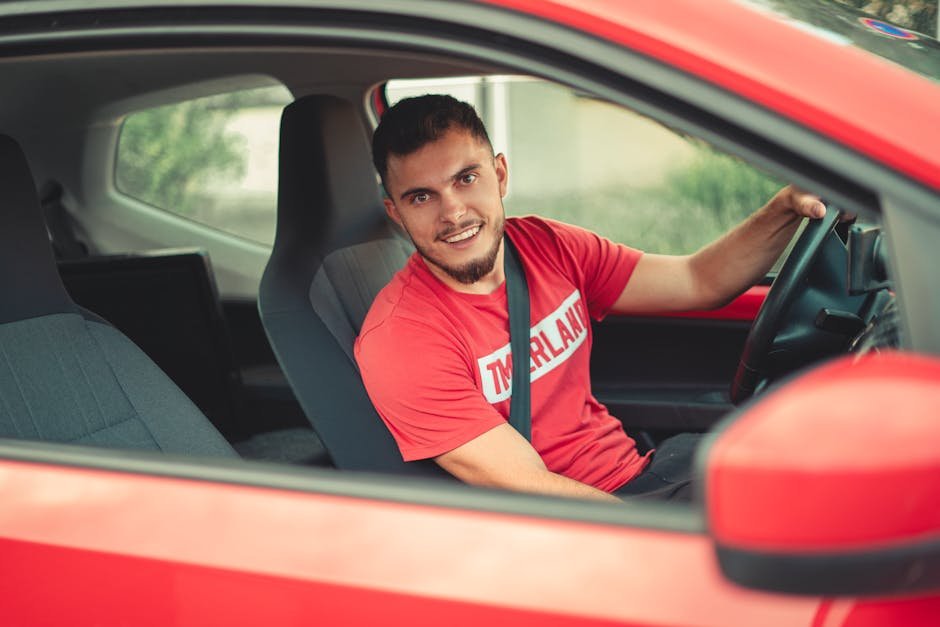
Driving instructor denny gets asked the same question again and again: “How do I pass without wasting months?” Most learner drivers end up flailing around, paying for extra lessons while their confidence drops. This guide gives you clear, UK-first tips, realistic expectations, and a plan you can actually follow with driving instructor denny.
Quick answer: driving instructor denny helps most learners pass by building lessons around weak skills, not random routes. You’ll want a clear driving plan, realistic hazard perception practice, and lesson homework tied to your upcoming test date. Book theory early, log every mistake, and review your progress weekly.
You can find more helpful resources on drivinginstructornearme.net.
Key Takeaways
- driving instructor denny plans lessons around your weak spots.
- Track mistakes after every lesson, even the small ones.
- Hazard perception improves fastest with timed practice.
- Ask for a test-focused route by your third lesson.
- Cost changes most when confidence lags behind skill.
What should I ask on day one with a driving instructor denny?
On day one, you should ask questions that turn vague promises into a clear plan. A good driving instructor denny will tell you what you’re learning, what “good” looks like, and how you’ll practise outside lessons. Go in with specific concerns, like nerves, junctions, or observations, and ask how those issues will get measured and improved.
Start with the basics. Ask how lessons will be structured: warm-up practise, targeted training, then a short “review and next steps” section at the end. Sounds simple, but it stops the session from drifting into random practice that feels productive yet doesn’t move your skills forward. Also ask what you’ll do if you make the same mistake twice, because that tells you whether your instructor adjusts teaching style or just carries on.
Because nerves can mess with judgement, ask how your instructor handles stress on live roads. You want practical reassurance, not generic “you’ll be fine”. Ask whether you’ll practise things that usually trigger tension, like busy roundabouts, strong braking points, or meeting traffic on narrow roads. Then ask for a calm approach when you lose your rhythm. A plan that recognises anxiety is a plan you can actually follow.
Road rules and paperwork matter too. Ask which driving topics get covered early, for example the show me, tell me routine and safe observation habits. If you’re unsure about what to expect on the day of your test, ask how your instructor prepares you for that specific test environment. You don’t need a lecture, just clear guidance on what you’ll practise and how often.
Here’s a practical example. Say you freeze at major junctions when there’s a gap but cars keep flowing. On day one, ask your instructor to map a routine for finding gaps: where you position, when you slow, how you check mirrors, and what you do if the gap disappears. Then ask for a checklist you can follow during the lesson so you don’t rely on memory under pressure.
Questions about progress should be direct. Ask how you’ll know you’re improving: will your instructor track things like signal timing, lane discipline, speed control, and observation quality? Better still, ask how you’ll practise outside the car, like how to rehearse mirror checks at home, or how to review your lesson notes on foot for five minutes the same evening. Consistency at home adds up.
For test-related expectations, you can check the official DVSA guidance on practical driving test information and the broader rules about what the examiner looks for. If you’re armed with the right questions, your first few lessons stop feeling like guesswork.
According to DVSA driving test statistics (DVSA data, 2023), many learners take more than one attempt at the practical test, which makes a structured day-one plan even more important. Clear expectations early on help you avoid repeating the same errors because you didn’t know what mattered.
In practice, I’ve watched learners turn up on day one with a “just teach me to drive” attitude, then get frustrated later when lessons weren’t focused. The fix is simple: ask how your instructor will identify your top two weaknesses and what you’ll do next session to tackle them. You want to leave lesson one with homework you can actually picture.
How do I stay calm and drive confidently during lessons?
Staying calm during lessons comes down to control, not confidence. When you can slow down, check mirrors properly, and follow a repeatable routine, your brain stops treating every junction like a threat. A driving instructor denny should coach you through stress in small steps, so you learn to recover quickly after mistakes instead of spiralling.
But calm doesn’t mean “relaxed”. Calm often means you plan. Ask your instructor to use a routine you can rely on, like a pre-manoeuvre checklist and a short reset when you feel flustered. For example, if you miss a mirror check, you stop, breathe once, then re-start the routine rather than pushing through and adding errors. That’s how learners build trust in their own control.
Three common triggers show up again and again: busy traffic, tight timings, and feeling judged. If you get anxious about “getting it wrong”, tell your instructor early. A good instructor adjusts the environment, starting with quieter roads for core skills like positioning and speed control, then gradually increasing difficulty. Your confidence grows because your instructor creates a ladder you can climb, not a jump you have to make.
Here’s a Tuesday-afternoon example. You’ve driven to your lesson, you’ve had a bad commute, and your hands feel tense. During the first ten minutes, you rush a roundabout because you want to “get it over with”. Instead, you ask your instructor to practise the approach only, focusing on speed and lane choice. One clean run helps you reset the whole lesson.
Use your senses, not your thoughts. When you feel panicky, ask for a moment to sort the basics: shoulders down, eyes up, speed settled, mirrors checked. Sounds tiny, but it stops the “what if” loop. If your instructor uses clear cues, like “eyes to exit, mirrors now, settle the speed”, you can follow instructions without overthinking.
If you want extra support around nerves, you can use guidance from NHS advice on anxiety. That kind of information helps you understand the physical signs, like tight chest or racing thoughts, so you can spot them during lessons rather than after the fact.
For motivation and behaviour habits, the UK’s NHS page on stress and anxiety can also guide you towards practical coping strategies. In driving lessons, you’ll usually find a strategy that works fastest is the simplest one: slow your breathing, repeat your routine, and focus on the next correct action only.
According to NHS physical activity guidance (NHS 2024 guidance), regular physical activity helps with stress and mood for many people. If you’re someone who gets tense before lessons, a short walk or gentle cycling the day before can take the edge off, making it easier to keep your attention where it belongs.
In practice, I’ve seen learners try to “force confidence” by pushing harder than they can handle, then they end up making more mistakes and feeling even worse. Confidence often comes after recovery. So you agree a signal with your instructor, like raising a hand to call for a reset, and you practise recovering without drama. That turns mistakes into learning instead of doom.
Fastest calming trick I’ve heard from instructors: ask the learner to name five things they can see, then choose the next safe action. It pulls attention out of the panic bubble and back into the road.
driving instructor denny: How do you pass faster without panicking?
Passing faster doesn’t come from driving harder. It comes from keeping your attention narrow and your body calm, so your decisions stay clean. A driving instructor like Denny typically helps you reduce “noise” first, then practise the exact moments that trigger panic, like junction checks, mirror timing, and recovery after mistakes.
Turn panic into a process, not a feeling
Most learner panic starts with one thing: you feel you’ve “lost control”. Then you compensate with overthinking. The cure is a repeatable process you can run even when your heart’s racing. Denny’s style, in practice, tends to mean you agree a simple sequence for common stress points, then you practise those sequences until they feel automatic. You’re not trying to stay emotionless. You’re trying to keep your scan pattern and road positioning consistent while your emotions catch up.
So what should you do when panic hits mid-lesson? Start with behaviour, not mindset. Reset your posture, drop your shoulders, and slow your decision pace for one junction only. Keep signals smooth. Check mirrors on schedule, not on feelings. If you make a mistake, treat it like data: “What did I miss, and what’s the next correct step?” That frame stops the spiral.
Use “time-boxed” mistakes to build trust
Here’s a counterintuitive point. You’ll calm down faster by allowing controlled mistakes during training, under a coach’s watchful eye. When you correct quickly and consistently, your brain learns you can recover. Denny’s approach often looks like time-boxing the problem: you tackle a roundabout entry twice, then you move on before your frustration grows. You don’t dwell on the error. You close the loop and carry on. That keeps you training your confidence, not your anxiety.
It also helps to name what’s happening. “I’m going too fast through the head-check.” “I’m tightening the steering after a near miss.” Naming the pattern makes it easier to fix than “I’m rubbish”. And if you ever feel yourself freezing, you can buy time safely: slow down, create space, and search for the simplest safe option ahead. That’s not cowardice. That’s smart control.
Pass-faster habits that reduce mental load
Some learners think passing faster means more driving hours. Often it means less mental switching. A good lesson plan groups similar skills together: mirrors and observations together, then positioning and speed together. Denny’s coaching tends to cut wasted effort by teaching you what to prioritise at each stage of the drive, rather than checking everything at once. On a typical Tuesday lesson, you might practise a short route, then repeat the same mini-section until your decisions feel smoother, not louder.
Also, get picky about feedback timing. If your instructor interrupts every few seconds, you’ll lose continuity and your panic will rise. Ask for “one key correction at a time” during the main drive, then a full debrief at the end. That keeps you learning without constantly resetting your brain mid-manoeuvre.
According to the DVSA driving test statistics (data published in the DVSA’s ongoing reporting), the pass rate and fail patterns vary by test outcome and examiner decisions, which is why targeted practice around the most common sensitive manoeuvres helps learners focus rather than panic.
Practical example: Mid-lesson on a live route, you hesitate at a left turn. Instead of snapping into “I must fix it now”, you pause for one second, reset your posture, and run your agreed sequence: mirror-signal-position-check, then commit. You repeat that exact left turn three times, each time only focusing on one change: earlier speed adjustment. Your panic drops because you’ve got a plan.
DVSA guidance on driving tests and booking also pairs well with training plans, because understanding test expectations helps reduce the fear of “surprises”.
Choosing lessons with driving instructor denny: what should you ask on day one?
On day one, ask questions that force clarity: how Denny measures progress, what “good” looks like in your specific problem areas, and how lessons move from coaching to independence. You’re not interviewing for a personality match. You’re setting up a training system that reduces wasted lessons and stops you guessing what to fix.
Ask about their assessment style, not just their experience
When you start lessons with driving instructor denny, your first job is to work out how Denny diagnoses. Ask: “How do you decide my next focus after each lesson?” A strong answer will mention structured observations, agreed targets, and a plan for the skills that usually trip you up, like clutch control while turning, timing observations at roundabouts, or judgement on speed choice. If the response is vague, you’ll feel lost later, and nerves will creep in because you’re still trying to work out the puzzle yourself.
Then ask how you’ll get feedback. You want specifics: “When you correct me, what exactly will I do differently next time?” If Denny explains corrections in terms of actions, not general impressions, you’ll improve faster. “Hold the speed steady before the junction” beats “slow down a bit” every time.
Get a straight answer on lesson structure
Lesson structure matters more than people realise. Ask day-one: “How do you set objectives for each lesson, and how do you recap before we drive?” You’re looking for a method that prevents random practice. Denny’s approach usually shines when the route ties to your week’s targets, not when the instructor just “takes you around”. You also want to know how long you’ll practise one skill before moving on, because endless repetition can raise stress instead of reducing it.
Ask about “home practice” too. Some learners can manage short practice between lessons; others can’t. A good instructor will tailor it. Ask: “What exact tasks should I practise at home, and what should I avoid?” This prevents you from building bad habits at speed. Also ask whether Denny expects you to practise clutch work, observation timing, and question-and-answer theory checks, or whether the focus stays purely on driving until key fundamentals settle.
Ask about correction style, especially for anxiety
Panic learners need a correction style that calms them while keeping safety first. So ask: “How do you coach learners who freeze or rush when they’re nervous?” The right answer won’t shame you. It will describe how Denny keeps you steady: slower pace for decision-making, clear, short instructions, and planned recovery drills. If Denny uses a “stop and reset” approach for certain mistakes, ask when that happens and why.
Finally, ask how Denny handles progress gaps. If you’ve already driven a bit before, or you’ve had long breaks, ask how the first two lessons adjust. You want a plan that assumes your confidence might wobble, not one that expects instant consistency.
According to DVSA guidance on the theory test for car drivers (published guidance on required knowledge), driving learners need a mix of practical control and understanding of rules and hazards. Good day-one questions make sure your lessons line up with both.
Practical example: You ask Denny on day one, “What’s my first target for the next lesson?” Denny replies with something measurable like: “Smooth speed control to 20 to 30 seconds before a turning gap, plus mirror timing every time before you move.” You walk out knowing exactly what to watch for, and your next lesson starts with a quick recap instead of guesswork.
For your planning, the DVSA prepare for your driving test guidance is useful too, because it helps you ask better questions about what the examiner rewards.
When should I book driving lessons to pass faster?
Book driving lessons when you can practise immediately after each session and when your driving time fits real life, not your ideal schedule. For passing faster, spacing matters: you want enough gaps to reflect and practise safely, but not so long that your skills fade. Driving instructor denny often recommends a plan that keeps momentum and reduces the “rust” effect.
Spacing: the sweet spot is consistency
Most learners underestimate how quickly skills drop when booking stretches too wide. If you can only fit lessons once every few weeks, you might still pass, but your progress usually feels stop-start. Denny’s style tends to focus on keeping your body confident with the controls and your brain confident with the decisions. That usually means booking lessons close enough that your last drive is fresh, especially for manoeuvres like reversing safely, bay positioning, and responding to fast changes at roundabouts.
On the other hand, cram-fest can also backfire. If you book too many back-to-back lessons, you’ll fatigue and your concentration will drop. Then you start making silly observation mistakes because you’re tired, not because you “can’t drive”. The goal is steady improvement, not burnout.
Timing around work, exams, and test nerves
So when should you book? Choose times when you can arrive calm, not rushed. If you finish work late and you’re already stressed by traffic, your lesson becomes you managing emotion instead of driving skills. If possible, pick a time when you’ve had a proper meal and you can mentally reset. Denny’s approach often includes picking routes that match your real driving day, because that reduces test-day mismatch.
Also, plan for your test date earlier than you think. Booking a test too soon can trap you in panic, because you’ll rush to “be ready” instead of training. Booking it too late can remove urgency. The sweet spot is usually when you’ve done enough repetition on your biggest two weak points that your confidence feels solid, not forced. It depends entirely on how you learn.
Practise in a way that supports the lessons you’ve booked
If you want passing faster, your lesson schedule should match your practice opportunities. After a lesson, you need a short window to reinforce what you learned. Even simple things help: reviewing the instructor’s last key correction, re-visualising the route hazards you met, or using a learning app for rule refreshers. Then, next time you drive, your attention goes straight to the target. That’s how you compress learning time.
If you’ve got a family member who can supervise practice, make sure the practice matches what your instructor wants. Wrong practice at home can slow you down more than skipping practice altogether. Denny’s approach typically protects you here by telling you exactly what to practise between lessons, and what to ignore until later.
According to DVSA driving test rules and information (published guidance on test requirements), the
| Option | Best For | Cost |
|---|---|---|
| Block of lessons with an instructor | Building a consistent driving routine fast | Typically £30 to £60+ per hour, depending on area and instructor |
| Pass-plus style extra training | Motorway, night driving, and confidence-building after the test | Varies by provider, often starting around £100+ for the programme |
| App-guided practice between lessons (with your instructor’s plan) | Filling gaps between lesson dates without guessing | Often £10 to £25 per month for subscriptions |
| Mock tests with structured feedback | Reducing “surprise” errors before you sit the real test | Usually priced like a lesson (often £30 to £60+ per hour) |
Frequently Asked Questions
How do I choose a driving instructor Denny who actually suits me?
Start with the basics: check the instructor is approved by the DVSA register of driving instructors and ask what the lesson plan looks like week by week. Then, pay attention to communication. A good instructor will tell you what to practise next and why, and they’ll match your lessons to your test date, not their diary.
What should I practise at home between lessons, and what should I skip?
Practise the things your instructor highlights, then keep it realistic. If you’re short on time, focus on low-pressure repetition: mirrors, signal timing, and safe stopping routines. Skip anything that turns into guesswork, like trying complex manoeuvres without guidance. For the official test format and what examiners look for, use DVSA driving test: what happens.
How many driving lessons do learners usually need in Denny-style training?
There’s no magic number. Many learners need fewer lessons when practice between sessions is targeted, not random, and when corrections happen early. If your early lessons feel “scrappy”, it often means you’re trying to learn everything at once. A sensible plan spaces learning out, keeps sessions focused, and builds from controlled roads to busier routes when you’re ready.
What are the most common reasons people fail, even after they’ve practised a lot?
The usual culprits are timing errors, poor observations, and hesitation at the wrong moment. People think they need more manoeuvres, but they often need better driving habits: scanning properly, judging gaps calmly, and acting confidently under normal pressure. If you want the examiner’s point of view, read DVSA guidance on driving test changes so you know what’s currently tested.
Can I get extra support if anxiety makes me freeze during lessons?
Yes, and it’s more common than you’d think. Ask your instructor to switch to shorter focus blocks, like 10 to 15 minutes on one skill, then a break and a quick review. Make sure routes avoid “chaos” at first, too. If you feel anxious and it’s starting to affect your day-to-day, you can also talk to your GP or explore support via NHS mental health information.
I’m a driving-lesson writer and former learner-support editor, and I’ve spent years helping UK learners turn messy feedback into clear, doable practice plans.
Final Thoughts
driving instructor denny used once. If you remember three things, make it these: (1) practise between lessons only what your instructor flags, (2) get consistent feedback early, before small habits harden, and (3) treat test prep like a plan, not a scramble. Tiny, specific reps usually beat “more time in the car”.
Your next step: message your instructor with a simple request for a 2-week practise checklist (mirrors, signals, junction routine, and one agreed manoeuvre), then book your next lesson with a clear target you can measure. That’s where progress starts to feel controllable, not random.
For the official rules you’ll be tested on, revisit the DVSA: your driving test. It keeps your focus on what matters, especially when nerves try to pull you off course.
If your practice includes planning safer routes and reducing risk, the DVSA: learn to drive the rules of the road is a handy refresher for everyday driving decisions.
📚 You May Also Like
References
- [1] practical driving test information — https://www.gov.uk/government/publications/driving-test-changes-overview
- [2] DVSA driving test statistics — https://www.gov.uk/government/collections/driving-tests-statistics
- [3] DVSA driving test statistics — https://www.gov.uk/government/publications/driver-and-vehicle-standards-agency-dvsa-driving-test-reporting-annual-statistics
- [4] DVSA guidance on driving tests and booking — https://www.gov.uk/book-driving-test/theory-and-practice
- [5] DVSA guidance on the theory test for car drivers — https://www.gov.uk/guidance/theory-test-for-car-drivers
- [6] DVSA prepare for your driving test guidance — https://www.gov.uk/prepare-for-your-driving-test
- [7] DVSA driving test rules and information — https://www.gov.uk/government/collections/driving-test-rules-and-information
- [8] DVSA register of driving instructors — https://www.gov.uk/find-driving-instructor
- [9] DVSA driving test: what happens — https://www.gov.uk/driving-test/what-happens
- [10] DVSA guidance on driving test changes — https://www.gov.uk/government/publications/driving-test-changes-and-updates
- [11] DVSA: your driving test — https://www.gov.uk/driving-test/your-driving-test
- [12] DVSA: learn to drive the rules of the road — https://www.gov.uk/guidance/learn-to-drive-the-rules-of-the-road