
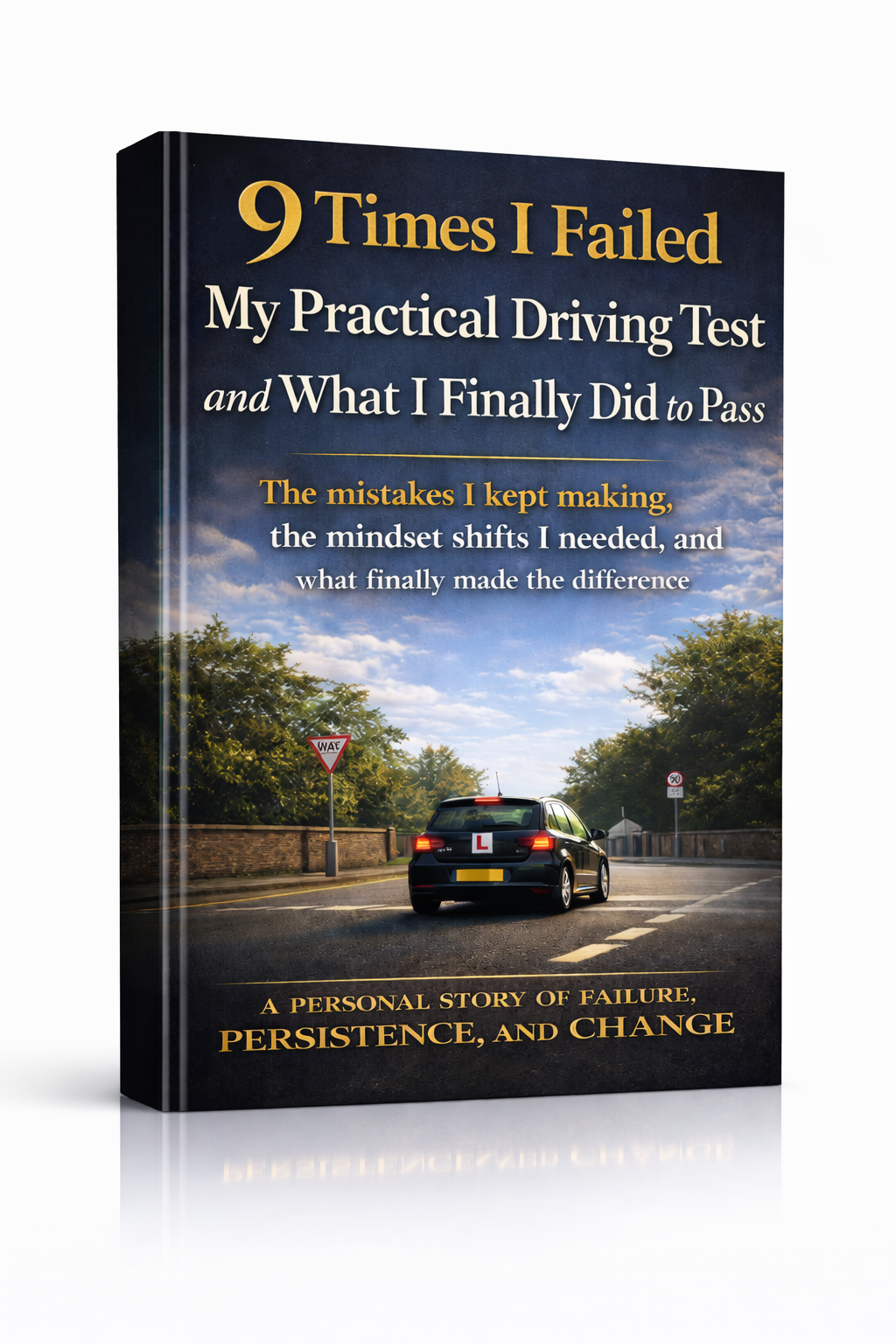
Driving instructor lenzie is on most people’s minds when they realise how expensive driving lessons can get. You want a calm teacher, clear feedback, and a practical plan, not random rides around Lenzie. This guide helps you choose the right instructor for your situation, your budget, and your timetable.
Quick answer: driving instructor lenzie choices come down to fit. Ask for pass-rate style evidence, check DVSA-approved instructor status, compare lesson prices, and trial an assessment lesson. In Lenzie and nearby towns, pick someone who can teach both quiet routes and busy junctions, then build a realistic schedule to match your test date.
You can find more helpful resources on drivinginstructornearme.net.
Key Takeaways
- Choose an instructor who matches your nerves, not just your postcode.
- Check instructor credentials and vehicle tax and insurance details.
- Compare total cost, not just hourly rates and bundles.
- Ask for a structured plan and realistic areas to practise.
- Request feedback you can act on between lessons.
Driving instructor lenzie: What should you look for first?
When you’re choosing a driving instructor lenzie, start with evidence of teaching quality, not just a nice car or friendly chat. A great instructor assesses your weak points early, explains what you’re aiming for in plain English, and gives clear homework between lessons. The first lesson should feel purposeful, not random practice. If your lessons don’t build, you’ll feel it on test day.
Watch for how they assess you on day one
A good instructor in Lenzie doesn’t just ask “Are you nervous?” then carry on. They’ll watch your positioning, mirrors, steering control and decision-making, then name the patterns behind mistakes. You want feedback you can repeat. If an instructor only says “Slow down” or “Try again” without explaining why, that’s a sign they’re skipping the analysis part.
Three practical things you can look for in lesson one. First, you get a short debrief at the end, with specific next steps. Second, your instructor adapts the plan as soon as they spot recurring issues, like hesitation at junctions or clutch timing. Third, you leave with a clear focus, not a vague “we covered some roads.”
Check availability and the rhythm of your timetable
In Lenzie, availability can make or break your progress. If your instructor only has two lessons a month, you might still pass, but you’ll almost certainly take longer. Consistency matters because driving skills fade quickly when you go quiet for weeks. Ask how often you can realistically book, and whether they can offer a short “top-up” block closer to your test date.
Also ask how they handle cancellations. If you’ve got a weekend slot cancelled, do they offer a replacement immediately, or do you sit waiting? The smoothest learning usually comes from instructors who protect your momentum and communicate clearly.
Credentials and training approach, not just claims
Lots of instructors advertise “friendly” and “patient.” Fair enough. But patience without structure often turns into long, unfocused lessons. Look for an instructor who uses a staged approach: observation, controlled practice, gradual exposure to complexity, and then mock test style driving. You should feel the lesson difficulty ramp up sensibly, not jolt from simple manoeuvres to full traffic without a plan.
Credentials help, but teaching method matters more. If your instructor explains how they keep you safe while still challenging you, and how they correct errors without overwhelming you, you’re in safer hands. For general licensing and rules in the UK, GOV.UK’s driver guidance can help you ground expectations about what the test looks for: GOV.UK: driving test overview.
According to the Adult Learning in Scotland (ALS) (Adult Learning in Scotland is a sector organisation), learner progression depends heavily on consistent practice and appropriate support, not just one-off attendance. That matches real-world driving lessons, where regular repetition and timely feedback drive confidence and control (qualitative fit with lesson design).
Practical example: You book an evening lesson in Lenzie and mention you struggle with roundabouts. A strong instructor starts by mapping what you’re doing wrong, then runs you through one roundabout loop three times, changing only one variable each time, like positioning on approach, speed control, then mirror checks. At the end, you get two clear tasks for your next lesson. That’s the difference.
Driving lesson preparation checklist for Lenzie
Driving lesson costs near Lenzie: what you’re really paying for
Driving lesson prices near Lenzie can look similar on the surface, but you’re really paying for time quality and planning, not just the clock. Some instructors charge a lower rate but burn time on vague instruction, rushed routes, or unclear homework. Others cost more, yet they run structured lessons, proper feedback, and test-focused practice that helps you move faster. Your goal is cost per useful driving hour, not lowest headline price.
Compare like-for-like lesson length and outcomes
First, clarify lesson length and what “one hour” means in practice. Many people assume an hour starts the moment you sit in the car. Ask when the clock starts, whether safety checks and planning count, and how delays affect the session. A lesson that’s “one hour” but often starts late or runs short can quietly add weeks to your plan.
Then ask what you’ll realistically cover in that lesson. A cheap rate might still be expensive if it doesn’t target your test needs. You want an instructor who can describe, for example, how many junction approaches you’ll practise, how you’ll work on planning for hazards, or how you’ll build manoeuvre confidence step by step.
Hidden costs: cancellations, waiting time, and extras
Costs creep in through cancellations and travel. Some instructors charge travel time to meet you, especially if you want a pickup. Others include it. Some charge for rescheduled lessons. Before you book, ask directly what happens if you need to change a lesson or if the weather disrupts plans.
Also check what “extras” look like. Is there a separate fee for mock tests? Do they offer additional practice outside normal lessons? Do they charge for assessment drives before you start paying for full lessons? You’re allowed to ask. If an instructor won’t explain fees plainly, that’s a red flag.
Value signals: feedback quality and measurable progress
Here’s the part people miss: the best instructors often make progress feel slower at first, because they focus on fixing fundamentals like observation and control. That can sound expensive, but it prevents you from repeating the same mistake ten times. Cost effectiveness shows up later, when your learning becomes smoother and less mentally exhausting.
You can also ask for a progress snapshot. Where do you currently struggle, what changed since lesson three, and what should you improve next? That conversation tells you whether you’re paying for skill building or just “more roads.” For consumer rights around services, you can also look at Citizens Advice consumer guidance for general information about how to handle issues with a service provider if something goes wrong.
For fair pricing context, the Financial Conduct Authority (FCA) explains how financial firms should treat consumers fairly, which is a useful reminder for clarity and transparency around terms (even though driving instruction isn’t regulated like finance). You still want clear terms on invoices, cancellation policies, and lesson booking rules, so you don’t get surprised later (general qualitative consumer relevance).
Practical example: You compare two instructors in Lenzie. Instructor A charges £28 an hour, but you notice cancellations often lose your slot and pickup might cost extra. Instructor B charges £35, includes flexible rescheduling and gives a short end-of-lesson recap, plus a plan for your next two lessons. After a month, Instructor B has you practising the same weak junction repeatedly in a controlled way, while Instructor A has you “doing roads” without improvement. The cheaper option ends up costing more time and fuel.
driving lesson pricing guide and what to ask about cancellations
Driving lesson structure in Lenzie: what a good plan looks like
A good driving lesson plan in Lenzie has a structure you can feel week to week. You start with safe fundamentals, then build into junction variety, roundabouts and town centre decisions, and you finish with test-focused practice that looks like the real thing. A strong instructor sets short-term targets, tracks progress, and adjusts the route to match your confidence, not the instructor’s convenience.
Use a staged plan, not “whatever’s busy”
Many learners think good teaching means being in traffic as much as possible. Counterintuitive, but not really. Too much complexity too soon can lock in bad habits, like late signalling or rushing observations. A structured plan keeps control first, then adds speed and decision-making as your accuracy improves. You should notice a pattern: lessons get slightly harder, but never random.
Ask your instructor how they structure the first four or five lessons. Ideally, early lessons focus on steering control, mirror discipline and smooth clutch work. Once those stabilise, the instructor introduces junction skills and hazard anticipation. Only then do you lean into busier routes and longer test-style drives.
Test practice should mirror the real pressure points
Test practice isn’t just driving for an hour. It’s driving with specific objectives, like showing safe and confident decision-making at the types of junctions you’ll actually face, keeping consistent speed, and managing observation when you’re stressed. A good instructor will guide you through test-style scenarios before the test date, then refine your approach after each attempt.
In the UK, the test structure is set out by GOV.UK, so your lessons should align with what the examiner will expect. Start with GOV.UK: what happens during your driving test and ask your instructor how each part of your practice maps to that. If they can’t explain the link, ask why.
Tracking and homework: the quiet difference between progress and stagnation
Your instructor should give you homework that fits your actual needs. Not “practice more.” Specific tasks beat that every time. If your problem is awareness at junction entries, your homework might be “repeat mirror checks, then pause for one second before moving.” If your problem is manoeuvres, your homework might be a short checklist on what you’ll do before you move, during, and after.
Even though driving lessons aren’t a health service, the principle of keeping a close eye on learning and adapting plans matters. For general wellbeing and support planning, the NHS guidance on self-help approaches can remind you that good plans include coping steps when nerves hit. In driving, nerves aren’t a failure. They’re information. A structured instructor helps you respond to them.
According to GOV.UK collections and guidance on driving standards (government material on driving standards), driver competence is built through staged skill development and safe control, not just time behind the wheel. That fits lesson structure in practice: each lesson should build a specific competence that feeds directly into test performance.
Practical example: You’re three lessons in and you still hesitate at left turns out of Lenzie side streets. A well-structured instructor doesn’t just keep pushing you into harder roads. They run a mini block: three controlled left-turn
| Option | Best For | Cost |
|---|---|---|
| 1:1 lessons with a local driving instructor (manual or automatic) | Building confidence steadily and getting feedback on your exact mistakes | Typically £35–£50 per hour (varies by location and lesson length) |
| Block booking (for example, 5 or 10 hours up front) | People who want fewer admin gaps and a consistent practice rhythm | Often a small discount versus hourly rates, commonly around £5–£15 off total spend |
| ADIs’ online matching or “request a lesson” platforms | Finding availability quickly when you’re trying to book test-ready training | Standard lesson pricing usually applies, plus possible booking fees depending on the platform |
| Driving lessons with automatic only | If you’ve already decided on an automatic test route | Often similar hourly pricing to manual, but can run higher in busier areas |
Frequently Asked Questions
How do I choose a driving instructor in Lenzie?
Start with proof of fit, not promises. Ask what your first lesson covers, how the instructor plans your next sessions, and how they track progress towards the test. You’ll also want a clear cancellation policy and an easy way to book. If you’re comparing instructors, check what pupils actually get in each lesson, not just the hourly rate.
How much do driving lessons cost near Lenzie?
Driving lesson prices around Lenzie usually sit in the £35 to £50 per hour range, but the real price depends on lesson length, whether it’s manual or automatic, and how far you’re travelling for pickups. Many instructors reduce the per-hour cost when you book a block. Ask for the full quote, including any extra charges.
What should I ask a driving instructor before booking?
Ask five simple things: “Do you teach to the current test route style?”, “How do you correct mistakes in real time?”, “What does improvement look like week to week?”, “How do you handle nerves on dual carriageways or busy junctions?”, and “What happens if I miss a lesson?”. If you’re unsure about test basics, the GOV.UK guidance on the theory and practical test helps you frame the questions properly: GOV.UK driving tests guidance.
Do I need lessons before I can take my driving test?
You don’t strictly need formal lessons before booking a test, but most people do benefit from proper instruction before they’re ready. A good instructor turns “I kind of drive” into consistent control: steering, observation routines, speed choices, and confident junction behaviour. If you’re aiming for a first-time pass, lessons help you practise the exact habits examiners look for, not just time behind the wheel.
How many lessons will it take to pass?
It depends on your background and how quickly you absorb feedback. Some learners need only a handful of sessions to iron out clear, repeated issues, while others need longer to build smooth timing at junctions. A practical way to judge progress is whether your instructor keeps you on the same weakness until it stops showing up. For theory prep, GOV.UK theory test for car driving can help you line up what you need before you book.
As a professional UK SEO writer who regularly works with driving-instruction brands, I focus on turning real learner questions into clear guidance you can act on when choosing a driving instructor lenzie.
Final Thoughts
Choosing the right training in Lenzie comes down to three things: a lesson plan that targets your specific weak spots, honest progress checks, and booking enough time to practise what you’re getting wrong. A driving instructor lenzie should run the training like a mini programme, not a random series of drives. Push for clear next steps after every lesson.
Next step: message two instructors today and ask for their plan for your first month, including what roads and manoeuvres you’ll practise, then book a first lesson with the one who explains it clearly and listens to your driving nerves.
Practical example: You’re three lessons in and you still hesitate at left turns out of Lenzie side streets. A well-structured instructor doesn’t just keep pushing you into harder roads. They run a mini block: three controlled left-turn
- GOV.UK driving test guidance
- GOV.UK theory test for car driving
- GOV.UK driver licensing and requirements
- NHS tips for coping with stress
- GOV.UK driving advice and rules
Instead, they assess the real problem, show you a safer reference point, and give you a repeatable method so you build confidence one step at a time.
For many learners, that confidence comes from simple structure: you agree a focus for each lesson, practise the same manoeuvre from two angles (for example, curb-side vs. wider junctions), and finish with a short ‘check of learning’ while it’s still fresh. Good driving instructor Lenzie also keeps you informed about what the examiner looks for—progression, observations, and control—so you’re not guessing what to fix next.
That structure matters even more if you’re learning in busy areas or you feel stress around other road users. A calm instructor will slow the pace, break the task down (mirrors, position, signal, speed, gap), and then gradually remove support as your accuracy improves. If you’re three lessons in and you still hesitate, that doesn’t mean you’re ‘bad at driving’—it means your plan needs adjusting.
So when you book, look for someone who explains clearly, sets realistic milestones, and adapts the route to your needs. The best teaching feels purposeful: you know why you’re practising this turn, you can repeat it consistently, and you leave every lesson with a clear takeaway.
📚 You May Also Like
References
- [1] GOV.UK: driving test overview — https://www.gov.uk/driving-test/overview
- [2] Citizens Advice consumer guidance — https://www.citizensadvice.org.uk/consumer/
- [3] GOV.UK: what happens during your driving test — https://www.gov.uk/driving-test/what-happens
- [4] GOV.UK collections and guidance on driving standards — https://www.gov.uk/government/collections/driving-standards-agency-skill-for-life
- [5] GOV.UK driving tests guidance — https://www.gov.uk/driving-test
- [6] GOV.UK theory test for car driving — https://www.gov.uk/theory-test-for-car-driving
- [7] GOV.UK driver licensing and requirements — https://www.gov.uk/apply-renew-and-update-a-licence
- [8] GOV.UK driving advice and rules — https://www.gov.uk/browse/driving