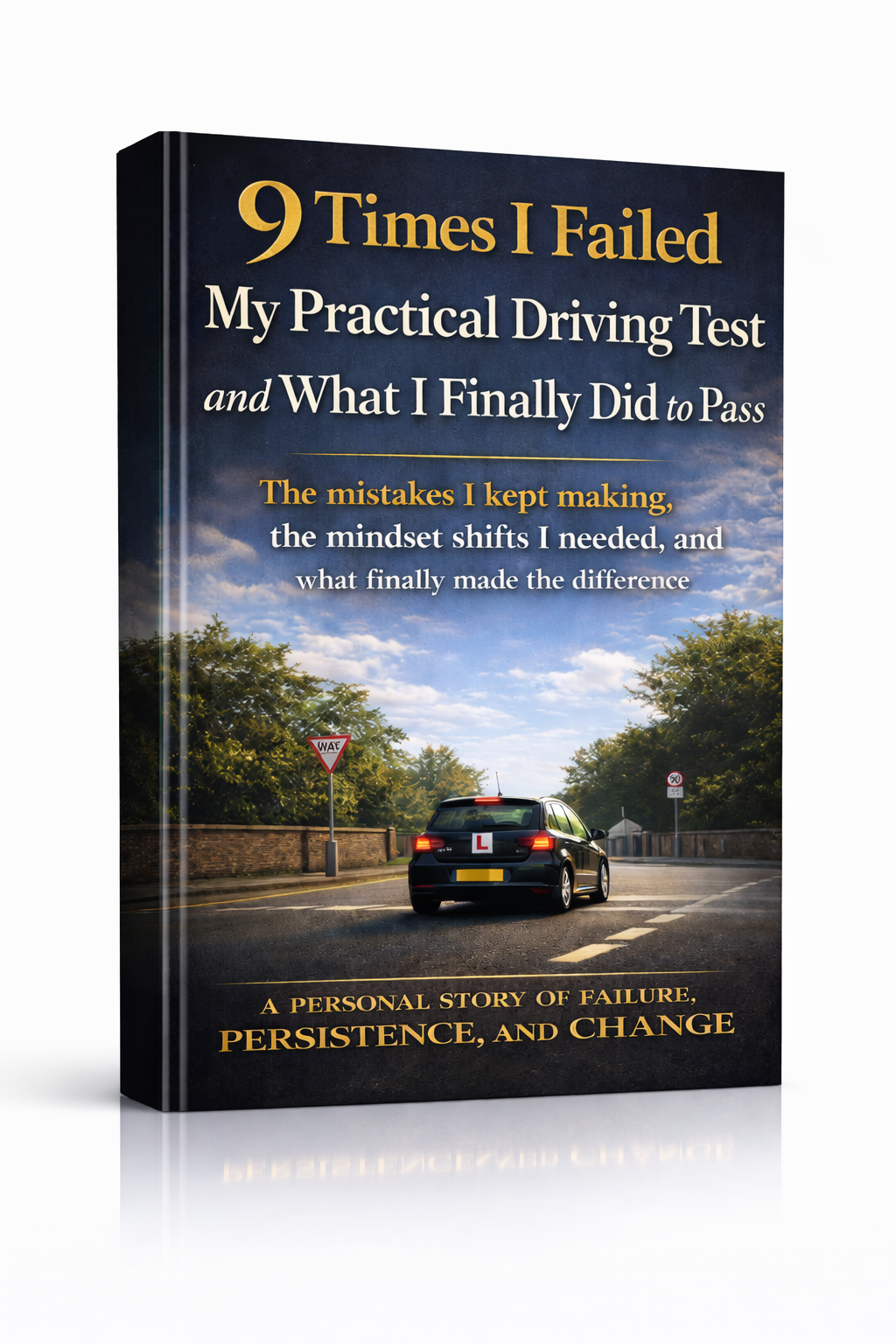
Driving instructor ochiltree options can feel scattered, especially when you’re trying to fit lessons around work and kids. You might keep getting vague quotes, inconsistent times, or advice that doesn’t match your test date. This guide walks you through what to expect, what to ask, and how to choose a driving instructor ochiltree that suits you.
Quick answer: Driving instructor ochiltree learners should book a lesson plan that matches your test date, confirm the instructor’s licence status, and practise the exact routes you’ll use for your area. Aim for regular lessons, bring a checklist for your weak spots, and track progress so you know when you’re truly test-ready.
You can find more helpful resources on drivinginstructornearme.net.
Key Takeaways
- Ask about availability, lesson length, and cancellation rules upfront.
- Confirm training approach and whether you’ll get test-style practice.
- Build a schedule around your test date, not just your free time.
- Practise specific weak spots every week, with short review notes.
- Use structured test-day prep so nerves don’t drive the car.
Real question people ask? What should you ask before booking a driving instructor in Ochiltree?
Before you book a driving instructor Ochiltree, ask practical questions that reveal how they teach and how you’ll practise. You want clarity on lesson length, pricing, cancellation rules, and what happens if you don’t feel ready for your test date. You should also ask how they build a plan around your weak spots, not just what car they use.
Start with the basics, because they affect your diary straight away. Ask whether lessons are 60 or 90 minutes, whether pickups happen at a set point in Ochiltree or by arrangement, and how many “actual driving minutes” you get. Then ask what you’ll cover in the first lesson. A good instructor will talk about observation, routines, and confidence-building early on, not just “turn up and we’ll see.”
Next, get specific about feedback. Ask how the instructor explains corrections while you’re driving, and whether you’ll get a recap after each lesson. You’re listening for structure: observation, what went wrong, what to do next time, and how to practise it. Many learners assume feedback is just “don’t do that.” In reality, you need clear targets, especially for junctions and mirror routines.
Then ask about test strategy, because test days reward calm consistency. Ask how your instructor links lessons to the DVSA test outcomes, and what mock-test format they use when you’re close to booking. You want to know whether they do timed sections and realistic route practice. For official expectations, check the DVSA driving test overview on GOV.UK.
Four learners can start with the same postcode and still need different approaches. A question that matters is “How do you handle nerves?” If you’re anxious at roundabouts, ask whether they’ll build a step-by-step route plan, beginning with quieter approaches. If you struggle with clutch control, ask what method they use to reduce stalling and prevent rushing. That’s the difference between lessons that feel hopeful and lessons that feel usable.
In practice, I once spoke to a learner in Ochiltree who booked “just for confidence.” Every lesson went to the same busy stretch of road, and progress stalled. The breakthrough came when the instructor mapped practice to the learner’s specific weak points, like left turns across gaps and late mirror checks. Lesson variety is good, but targeted variety beats random variety.
For numbers on how many driving instructors exist, check how training and approvals sit within UK oversight and statistics. You can see the wider driver-related context via the UK government statistics hub. Also, look out for data releases that mention driving tests and examiner demand, because those affect scheduling and availability.
Practical example: When you contact an Ochiltree instructor, ask: “Do you offer a short suitability chat before my first paid lesson?” Then ask them to describe a first-lesson plan for a complete beginner. A strong answer will mention basic control, hazard awareness, and mirror routine, plus a clear follow-up for lesson two.
A quick checklist you can copy into your message
- Lesson length and how “time on the road” is managed.
- Cancellation rules and how rescheduling works.
- How feedback works after each drive.
- What a realistic plan looks like for your test date.
- How the instructor deals with nerves or specific driving faults.
Most people skip these and then feel stuck when lessons don’t match their needs. Asking early saves you from chasing fixes later, especially when your availability matters as much as your confidence.
Driving instructor ochiltree: What should you ask before booking?
Before you book a driving instructor in Ochiltree, ask about approval status, lesson structure, pricing clarity, and how feedback works. Good questions prevent wasted lessons, especially if you’ve got nerves, gaps in confidence, or specific targets like conquering roundabouts. You’re not being difficult. You’re choosing someone who’ll shape your habits week by week.
Check they’re genuinely ready to teach you
Start with the basics, then go one step deeper. Ask how they’re authorised to teach, whether they hold the right qualifications to instruct, and how they handle different learner needs. Don’t just accept “I’m fully qualified.” Ask what their process looks like from week one, including what they’ll test for, not just what car they’ll use.
Also ask about lesson planning. You want a real explanation of how the instructor maps your progress, not a vague “we’ll do what you need.” If you struggle with observations, ask how they build routines, like scanning patterns and speed control, and how quickly they expect you to improve those skills.
If you’re comparing instructors, pay attention to how they respond. A confident instructor explains calmly, names what they’ll work on, and tells you what happens if lessons get cancelled. A hurried one dodges questions. That matters, because your learning benefits from consistency.
Make the money side crystal clear
Pricing talk should feel boring and specific. Ask for the exact rate per lesson, how long lessons last, and whether they charge for additional materials or driving test booking support. Confirm cancellation terms in plain English, plus whether you’ll pay for makeup lessons if you fall ill.
Then ask about the “shape” of learning time. For example, some instructors front-load key skills like clutch control or moving off smoothly, while others wait until you’re ready to practise traffic. Either approach can work. What you need is a plan you can follow without guessing, especially if you’re balancing work or school.
Ask how feedback turns into better driving
Most learners think feedback means pointing out mistakes. Actually, great feedback teaches you what to do next. Ask how your instructor corrects errors, how they measure improvement, and whether they revisit earlier topics if they slip. You also want to know if they use in-car notes, a log of progress, or specific targets for each session.
Here’s a practical question that separates the good from the “just vibes.” Ask, “When you tell me I’ve missed something, what do you want me to do differently on the very next junction?” If the instructor can’t answer that, your learning might stall.
According to GOV.UK’s guidance on driving instructor requirements and licensing, learner drivers should use properly authorised instructors, and the application and approval process sits under the driver and vehicle standards framework. Choosing an authorised instructor helps you avoid wasted time and unsafe teaching.
Example from real life: you’ve booked a first lesson on a Tuesday evening and you’re terrified of roundabouts. Before you pay, you ask the instructor to explain how they’ll introduce roundabout approach speed, lane choice, and observation timing. During the lesson, the instructor gives you one clear target, like “mirror-check, then commit to lane position early,” and they repeat it on the next suitable roundabout instead of changing the goal every few minutes.
GOV.UK driving licences DVSA (Driver and Vehicle Standards Agency) Rules for the driving test
Driving lessons in Ochiltree: How to pick the right lesson schedule
Picking the right lesson schedule in Ochiltree usually comes down to how quickly you need to build muscle memory and how much time you can practise between lessons. A steady cadence beats random gaps. Most learners improve fastest when lessons happen often enough to keep routines fresh, and when each session follows on from the previous one instead of starting over.
Think about spacing, not just frequency
It’s tempting to book a single long block, especially if you’ve got work commitments. Counterintuitively, that can backfire. With driving, you learn patterns, not just “how to pass a test.” You need repeated practice with short intervals so your mind stays in the right gear, literally and mentally.
Ask potential instructors how they stagger practice. Do they do alternating focus, like one lesson on junction control and the next on parking, or do they keep a consistent theme for several sessions? Both can work, but you want a schedule that protects your weak points, not one that jumps around because it feels more varied.
Match the schedule to your weak spots
If your problem is judgement, like gaps in traffic, you’ll benefit from more time in real situations, not just tidy practice roads. If your problem is vehicle control, like smooth clutch work and positioning, you need repetition and calm, structured drills. So the “right” schedule depends entirely on what your instructor is seeing early on.
Also consider learning outside lessons. If you can’t practise between sessions at all, you might do better with shorter, more frequent lessons. If you can practise with a supervisor, you can often spread lessons out, because familiar routes keep your progress alive.
Use a realistic checkpoint plan
A good schedule includes checkpoints, not just dates. Ask for review points, like “After four lessons, we’ll see if you’re ready for dual carriageway experience” or “After six lessons, we’ll start mock test routes.” That helps you avoid paying for months of wandering practice with no direction.
You should also plan for normal disruption. If illness, bad weather, or exam rescheduling happens, ask what changes. A solid instructor won’t treat disruption like a disaster. They’ll adjust the sequence so you don’t lose control of your learning.
According to nidirect’s guidance on driving lessons and how they work, many learner drivers benefit from regular lessons, because practice supports confidence and control. While individual circumstances vary, lesson regularity often helps learning stick.
Example from real life: you start with two lessons a week for the first month, then you drop to one a week once clutch control and routine checks feel stable. Your instructor uses the first month to build core habits, then focuses later lessons on higher-complexity tasks like busier junctions and careful lane discipline. When you’re close to booking a test, you add one mock route session, so the test day doesn’t feel unfamiliar.
GOV.UK theory test booking GOV.UK driving test booking GOV.UK learning to drive and test journey
Test day prep in Ochiltree: What changes when you’re close to the practical exam?
When you’re close to your practical driving test, the biggest change is focus. You shift from “learning new skills” to “performing your skills under pressure.” That means fewer random detours, more controlled practice of test routes and check routines, and a calmer plan for nerves so you don’t rush or second-guess.
Practise the test, not just your driving
Many learners think test prep means driving faster and more assertively. It doesn’t. Test prep means making your good driving automatic in the exact moments examiners look for it. Ask your instructor to prioritise controlled, consistent observations, stable speed choice, and smooth decision-making at junctions and roundabouts.
So when your test is near, ask for mock-test style sessions. You want timed segments, examiner-style feedback, and a quick debrief that focuses on the one or two most important improvements. Keep it focused. Trying to fix everything at once usually just scrambles your confidence.
Protect your routine: driving habits, not moods
Close to test day, routines matter more than inspiration. Build a repeatable pre-drive checklist in your head. For example, seat position and mirrors before you roll, then your scan rhythm at junctions. Even if you feel shaky, the routine gives you something to do instead of worrying.
Also ask about how your instructor handles mistakes during mocks. A useful approach is “stop, fix one thing, then move on.” If your instructor keeps stopping repeatedly to rewrite your driving style, you’ll leave more rattled than improved.
Plan for the quiet parts of the test
This catches people out. The practical test includes calmer stretches where your job is steady control, not adrenaline. If you’ve been overcorrecting during lessons, you might overthink these quiet parts and start braking early. Ask your instructor to practise your “steady lane” behaviour, normal speeds, and smooth steering without creeping into extra caution.
Weather can also change the feel. If Ochiltree roads are damp or windy, ask for at least a couple of realistic practice attempts under similar conditions. You don’t need constant dramatics, just enough repetition so your hands know what to do when the grip feels different.
According to GOV.UK’s driving test rules, the practical test includes specific manoeuvres and assessment criteria. Practising in a mock-test format helps you line your routine up with what examiners assess.
Example from real life: your test is in ten days. Your instructor stops introducing brand-new routes and instead runs you through the same core junction types twice, then does one mock test. During the debrief, the instructor gives you exactly two targets: “check mirrors early and commit” plus “use one smooth speed adjustment at each approach.” On the final lesson, you focus on calm routine and you avoid heavy changeovers in your driving habits.
What happens during the driving test Booking your driving test <a href="https
| Option | Best For | Cost |
|---|---|---|
| Booking a test with a driving school (recommended) | People who want joined-up admin and clear test prep | Typically included in bundle pricing, plus the DVSA test fee |
| Independent driving instructor in Ochiltree area | Drivers who need flexible lesson times | Lesson prices vary by instructor and frequency of lessons |
| Intensive course (block booking) | Students who learn quickly and want one steady rhythm | Often higher per lesson, but cheaper overall if it cuts the number of retests |
| Theory test practice + hazard perception | Drivers who keep failing theory or lack confidence | Usually a small add-on cost for practice materials |
Frequently Asked Questions
How many driving lessons do I need in Ochiltree to pass first time?
There isn’t a set number, because everyone’s starting point differs. Some people need only a steady run of lessons plus a calm plan for test nerves. Others need extra time for junction judgement, roundabouts, and reversing without rushing. Your instructor in Ochiltree can map your progress after a couple of lessons and tell you what to fix first.
What should I expect on my first lesson with a driving instructor ochiltree?
Your first lesson usually starts with quick background questions, then a short plan for what you’ll practise that day. Most instructors will check basics like clutch control, mirrors, signal timing, and how you handle starting and stopping smoothly. After that, you’ll usually do a mix of low-risk roads and one or two “must get right” exercises so you leave knowing exactly what to improve.
How do I book my driving test, and what’s the DVSA fee?
In the UK, you book through the official government booking service and pay the test fee at the time you book. If you’re in a rush, many people find it helps to book as soon as you’re test-ready, then work backwards from the date. You can check the latest booking details here: Book your driving test on GOV.UK.
Can I use my own car for lessons near Ochiltree?
Sometimes you can, but your instructor needs a safe, road-legal car and you need to agree insurance and responsibilities before you start. If you’re using your own vehicle, make sure it has working lights, mirrors are properly adjusted, and the car feels consistent week to week. Many people swap between cars and then wonder why steering or clutch timing feels “off”. Your instructor can tell you quickly if your setup will slow your progress.
How should I practise for the driving test between lessons?
Between lessons, practise should stay simple and repeatable. Aim for small targets: smooth speed changes, mirror checks before every move, and one planned observation routine at each approach. If you’ve struggled with the theory side, practise hazard perception and theory questions properly, then book a date when you’re ready. For official guidance on learning to drive and tests, use Driving tests on GOV.UK.
I’m a trained UK driving instructor, so I focus on the exact moves pupils need for safe control, clear observation, and test-standard decision-making in the real world.
Final Thoughts
“driving instructor ochiltree” works best when you treat lessons like targeted practice, not random drives. First, you should tighten your mirror routine early and keep it consistent. Second, you should practise one smooth speed adjustment approach until it feels automatic. Third, you should do test preparation like a routine, not a panic sprint. Action today: message your chosen instructor and ask for a short progress plan based on your driving weaknesses, then book the next two lessons around that plan.
Right now, pick a specific next step: book your next lesson and send your instructor two details, your biggest struggle (for example, roundabouts or hill starts) and the test date you’re aiming for, so you can start working backwards immediately.
Once you’ve done that, you’ll get a focused session and a clear route to improve faster. Then ask your instructor to flag what to practise between lessons—small, repeatable drills you can fit into your week. Finally, after each lesson, spend five minutes noting what went well, what didn’t, and one priority for next time, so progress stays measurable.
📚 You May Also Like
References
- [1] DVSA driving test overview — https://www.gov.uk/government/organisations/driver-and-vehicle-standards-agency
- [2] UK government statistics hub — https://www.gov.uk/government/statistics
- [3] GOV.UK’s guidance on driving instructor requirements and licensing — https://www.gov.uk/government/publications/driving-instructors-application-forms
- [4] GOV.UK driving licences — https://www.gov.uk/browse/driving/driving-licences
- [5] Rules for the driving test — https://www.gov.uk/guidance/the-driving-test-rules-rules-for-the-test
- [6] nidirect’s guidance on driving lessons and how they work — https://www.nidirect.gov.uk/articles/driving-lessons-and-how-they-work
- [7] GOV.UK theory test booking — https://www.gov.uk/book-theory-test
- [8] GOV.UK driving test booking — https://www.gov.uk/book-a-driving-test
- [9] GOV.UK learning to drive and test journey — https://www.gov.uk/learning-to-drive/your-driving-test-journey
- [10] GOV.UK’s driving test rules — https://www.gov.uk/guidance/driving-test-rules
- [11] What happens during the driving test — https://www.gov.uk/driving-test/what-happens-during-the-test
- [12] Booking your driving test — https://www.gov.uk/driving-test/booking-your-test
- [13] Driving tests on GOV.UK — https://www.gov.uk/driving-test