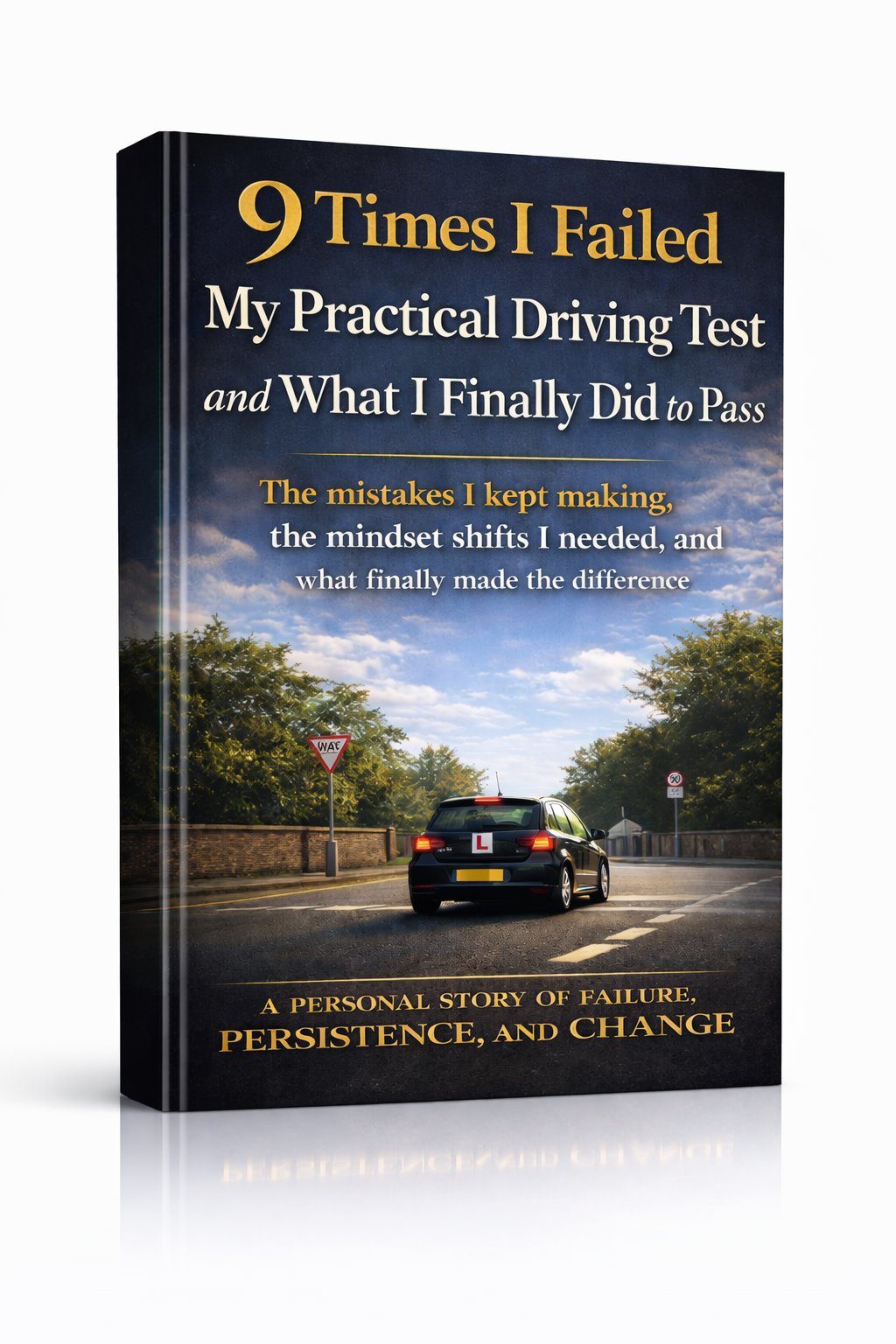
The Importance of Sleep Before Taking Your Practical Driving Test
Sleep plays a crucial role in your performance during everyday tasks, but it becomes especially important when you are preparing for a practical driving test. The importance of getting enough rest cannot be overstated, as it significantly impacts your focus, decision-making, and overall driving skills. As you gear up for your test, ensure that you prioritize getting a good night’s sleep the night before, as this can make all the difference in how you handle your driving assessment.
When you lack sufficient sleep, your cognitive functions, including attention and memory, are impaired. This can directly affect your ability to recall road signs, obey traffic laws, and carry out proper driving maneuvers. It’s essential to enter the driving test feeling alert and mentally sharp. Here are several reasons why sleep is vital before your practical driving test:
Improved Concentration
A well-rested brain is crucial for maintaining focus during your driving test. When you’re alert, you can pay attention to vital details like traffic signals, pedestrian crossings, and the behavior of other drivers. Fatigue, on the other hand, leads to lapses in concentration, which can result in dangerous mistakes.
Better Reaction Times
Sleep greatly affects your reaction times. A deficit in sleep can cause sluggish reflexes, which are essential for safe driving. You need to respond quickly to unexpected situations, such as a child running into the road or a sudden stop by the car ahead. A good night’s sleep improves your ability to react swiftly and effectively, increasing your chances of passing the test.
Enhanced Problem-Solving Skills
Driving entails making multiple decisions in a short period. It’s not just about following instructions; you also need to adapt to real-time scenarios. Sleep enhances your cognitive abilities, enabling you to think critically and make sound judgments while driving. With heightened problem-solving skills, you’ll be better prepared for any surprises that may come your way during the test.
Reduced Anxiety
The thought of taking a driving test can be nerve-wracking for many. A tired mind is more susceptible to anxiety and stress. Adequate sleep prior to your test can help calm your nerves, allowing you to approach the driving test with confidence. When you feel rested and prepared, you’re less likely to second-guess your skills.
Long-Term Benefits
The advantages of a good sleep schedule go beyond just your driving test. Consistently getting enough sleep helps develop good habits that can improve your overall quality of life. Good sleep hygiene contributes to your overall physical and mental well-being, making you a safer driver in the long run.
To maximize your sleep quality leading up to the test, consider the following practical strategies:
- Establish a consistent sleep schedule by going to bed and waking up at the same time each day.
- Create a relaxing bedtime routine to help signal to your body that it’s time to wind down.
- Avoid stimulants, such as caffeine or electronic devices, in the hours leading up to bed.
- Ensure your sleep environment is comfortable, quiet, and dark.
- Limit naps during the day, especially close to the time of your driving test.
Getting enough sleep prior to your practical driving test is crucial for optimizing your performance and ensuring your ability to handle the challenges you may face on the road. As you prepare for your assessment, remember that a refreshed mind leads to sharper reflexes, improved concentration, and ultimately, a higher likelihood of success.
For additional guidance and resources on how to prepare for your driving test, consider visiting Driver.gov for helpful tips or check out Intelligent Schools for more information about driving education.
How Sleep Affects Cognitive Functioning While Driving
Everyone knows that getting a good night’s sleep is important, but few people realize just how crucial it is for driving safely. Sleep affects cognitive functioning, and when you’re behind the wheel, your cognitive abilities are put to the test. Here’s how sleep impacts your performance while driving.
Understanding Cognitive Functioning
Cognitive functioning includes various mental processes such as perception, attention, memory, and decision-making. These are vital skills when you’re driving. Being alert and focused allows you to respond quickly to changing road conditions, make proper judgments, and follow traffic signals. A well-rested brain enhances all these abilities, while a tired one inhibits them.
The Effects of Sleep Deprivation on Driving
When you don’t get enough sleep, your reaction times slow down, and your brain struggles to process information effectively. Here are some notable effects:
- Impaired Reaction Time: Just like alcohol, sleep deprivation can significantly slow down your response time. A lack of sleep can reduce your alertness, making it harder to respond to sudden obstacles on the road.
- Decreased Attention Span: You may find it challenging to focus on the road and surrounding traffic. Your attention drifts more easily, increasing the chances of missing crucial signs or changes in traffic patterns.
- Increased Risk of Errors: When tired, you’re more likely to make mistakes, such as misjudging distances or failing to signal. This can lead to dangerous driving situations.
- Memory Lapses: Poor sleep affects your short-term memory. You might forget critical information, like the route you need to take.
Optimal Sleep Duration Before Driving
Experts suggest that adults aim for 7-9 hours of quality sleep per night. If you’re preparing for a long drive or an important event like a driving test, this amount of rest becomes even more crucial. Here’s a simple checklist to help you prepare:
- Set a consistent bedtime to ensure you get the right amount of sleep.
- Avoid caffeine and stimulants several hours before bed.
- Create a calming bedtime routine to improve the quality of your sleep.
Sleep’s Role in Decision Making
Your ability to make safe decisions on the road heavily relies on your cognitive functions, which are influenced by sleep. Adequate rest helps your brain form connections and integrate new information. You’ll find yourself making quicker, more effective choices when well-rested.
The Science Behind Sleep and Driving
A study conducted by the AAA Foundation for Traffic Safety revealed that drowsy driving is a serious problem. The research showed that approximately 21% of fatal crashes involved a drowsy driver. Lack of sleep not only affects your reaction time but also your ability to process information. A well-rested driver is likely to be more aware of his surroundings and tend to react positively in unexpected situations.
Practical Tips for Ensuring Good Sleep Before Driving
Here are several strategies to enhance your sleep quality before taking that all-important driving test or embarking on a long journey:
- Limit Screen Time: Minimize exposure to screens (phones, TV, computers) at least an hour before bed.
- Exercise Regularly: Physical activity can help improve your sleep quality, but try not to exercise too close to bedtime.
- Create a Comfortable Sleep Environment: Keep your bedroom dark, cool, and quiet to foster better sleep.
Resources for Further Reading
If you’re looking for more information on how sleep affects driving and cognitive function, consider visiting the following sites:
Sleep has a profound impact on cognitive functioning while driving. Prioritizing a good night’s rest can lead to safer driving experiences, better decision-making, and ultimately, lower accident rates. Make sure to keep your sleep habits in check and stay safe on the road!
Tips for Getting a Good Night’s Sleep Before Your Test
Getting ready for your practical driving test can be both exciting and nerve-wracking. One key factor that plays a significant role in your performance is sleep. Quality rest the night before can greatly influence your focus, reaction time, and overall confidence. Here are some helpful tips to ensure you get a good night’s sleep before your test.
Follow a Relaxing Bedtime Routine
Creating a calming pre-sleep routine can signal to your body that it’s time to wind down. Here’s what you can do:
- Limit Screen Time: Reduce exposure to screens at least one hour before bed. The blue light emitted by phones, tablets, and televisions can interfere with your ability to fall asleep.
- Read a Book: Choose something light and enjoyable. Reading can help distract your mind from stress and promote relaxation.
- Take a Warm Bath: A warm bath can help your body relax and lower your core temperature afterward, signaling it’s time to sleep.
Create a Comfortable Sleep Environment
Your bedroom can significantly impact your sleep quality. Here are a few adjustments you can make:
- Keep the Room Dark: Use blackout curtains or blinds to ensure your room is dark. Exposure to light can disrupt melatonin production, making it harder to fall asleep.
- Maintain a Comfortable Temperature: Ensure your room is at a comfortable temperature, typically between 60-67°F (15-19°C), to foster better sleep.
- Reduce Noise: If you’re in a noisy area, consider using a white noise machine or earplugs to block out disturbances.
Pay Attention to Your Diet and Hydration
What you eat and drink can significantly impact your ability to sleep well.
| Food/Drink | Effect on Sleep |
|---|---|
| Caffeine | Can disrupt sleep; avoid it in the afternoon and evening. |
| Heavy Meals | Can cause discomfort; try to eat a light dinner at least three hours before bed. |
| Alcohol | While it may initially make you drowsy, it disrupts sleep later in the night. |
| Hydration | Stay hydrated, but limit fluids an hour before bed to avoid nighttime trips to the bathroom. |
Incorporate Relaxation Techniques
When your nerves kick in, relaxation techniques can help calm your mind:
- Practice Deep Breathing: Take slow, deep breaths to reduce stress and anxiety.
- Try Meditation: Spend 5-10 minutes meditating to clear your mind and focus.
- Gentle Yoga: Some light stretching or yoga can release tension in your body and help prepare you for a restful night.
Establish a Sleep Schedule
If possible, try to establish a consistent sleep schedule in the days leading up to your driving test:
- Go to Bed and Wake Up at the Same Time: Consistency helps regulate your body’s internal clock, improving the overall quality of your sleep.
- Aim for 7-9 Hours of Sleep: Ensure you’re getting enough sleep to feel rested and alert. Most adults require this amount for optimal functioning.
Good sleep is not just about the quantity but also the quality. Investing time in your sleep will definitely pay off the next day.
To learn more about effective sleep techniques and practices, visit the Sleep Foundation for comprehensive insights.
Additionally, check out NHLBI for advice on sleep health.
With these tips, you can approach your practical driving test feeling well-rested, confident, and ready to succeed. Don’t underestimate the importance of sleep—it’s a crucial step in your preparation!
Understanding the Connection Between Sleep and Reaction Times
Sleep is a crucial element of our daily lives that significantly affects various functions of our body, especially our cognitive abilities. One of the most vital aspects that sleep influences is our reaction time. Reaction time is the amount of time it takes for you to respond to a stimulus. Whether you’re driving, playing sports, or performing daily tasks, quicker reaction times can lead to better performance and increased safety.
To fully understand the connection between sleep and reaction times, let’s delve into how sleep deprivation impacts your brain and body. When you don’t get enough sleep, several negative effects occur:
- Cognitive Decline: Sleep deprivation leads to a decline in cognitive functions such as attention, decision-making, and problem-solving. This decline can make it difficult to react quickly in unexpected situations.
- Increased Reaction Times: Lack of sleep can significantly increase your reaction times. A study has shown that individuals who are sleep-deprived can experience delays in their responses by as much as 50% compared to those who are well-rested.
- Impaired Judgment: When you’re tired, your ability to make sound decisions decreases. In driving, for example, this could result in poor reactions to unforeseen hazards.
- Emotional Instability: Insufficient sleep can lead to irritability and stress, further affecting your ability to respond efficiently.
Research highlights that the ideal sleep duration for most adults falls between 7 to 9 hours per night. However, the quality of sleep is just as important as the quantity. Deep sleep, known for being the restorative phase of sleep, significantly contributes to cognitive function improvements, including faster reaction times. To enhance your sleep quality, consider the following tips:
- Create a Sleep Schedule: Going to bed and waking up at the same time every day can regulate your body’s internal clock.
- Avoid Stimulants: Limit caffeine and nicotine intake, particularly in the hours leading up to bedtime.
- Establish a Relaxing Routine: Engage in calming activities before bed, such as reading or meditation, to signal to your brain that it’s time to wind down.
- Ensure a Comfortable Sleep Environment: Make your bedroom conducive to sleep by keeping it cool, dark, and quiet.
Understanding the science behind sleep can lead to better outcomes in various activities that demand quick thinking and reaction, including driving. For instance, when preparing for a practical driving test, ensuring you have a good night’s sleep before the exam is essential. Not only will this improve your reaction times, but it will also enhance your overall performance on the test.
Data indicates a direct relationship between the number of sleepless nights and performance in tasks that require fast reactions. In a study published by the National Institutes of Health, researchers found that individuals who reportedly received less than 6 hours of sleep a night experienced a significantly increased likelihood of slowed reaction times and poor judgment while driving.
| Hours of Sleep | Estimated Reaction Time Impairment |
|---|---|
| 7-9 hours | Normal |
| 6 hours | Moderate impairment (10-20% slower) |
| 5 hours | Significant impairment (20-30% slower) |
| 4 hours | Severe impairment (30-50% slower) |
The impact of a good night’s sleep is especially crucial when facing stressors such as a driving test. Since driving requires complex motor skills and split-second decisions, lack of sleep can severely hinder one’s ability to perform. In fact, the Sleep Foundation notes that even one night of poor sleep can affect your alertness and focus just as much as being legally drunk.
Good sleep hygiene practices and understanding the importance of sleep can significantly improve your day-to-day performance, especially when you need to be at your best, such as during a practical driving test. Prioritize sleep not just as a routine, but as a necessary component of your overall wellness and success.
Common Sleep Disorders and Their Impact on Driving Performance
Understanding how sleep disorders can affect driving performance is crucial for anyone who gets behind the wheel. Sleep disorders can greatly impair your ability to focus and react, which are essential skills for safe driving. When you are awake during the day, you need more than just rest; quality sleep is necessary to promote alertness and cognitive function. Let’s look at some common sleep disorders and how they impact your driving abilities.
Characteristic Sleep Disorders
There are several prevalent sleep disorders that can significantly affect your ability to drive safely. Here are some of the most common:
- Insomnia: This is the inability to fall asleep or stay asleep. Individuals with insomnia often report feeling tired during the day, which can lead to poor concentration and quick reflexes on the road.
- Sleep Apnea: This disorder causes breathing interruptions during sleep, leading to fragmented sleep and excessive daytime sleepiness. Drivers with sleep apnea have a high risk of falling asleep at the wheel.
- Restless Legs Syndrome (RLS): RLS is characterized by uncomfortable sensations in the legs and an irresistible urge to move them. This condition can lead to difficulty falling asleep, which in turn affects alertness while driving.
- Narcolepsy: This chronic sleep disorder causes overwhelming daytime drowsiness and sudden attacks of sleep. Narcolepsy can severely impair driving performance and increase the risk of accidents.
Impact on Driving Performance
Your driving performance can be significantly compromised by the effects of sleep disorders. Here’s how they can influence your capabilities:
| Sleep Disorder | Driving Impact |
|---|---|
| Insomnia | Reduced focus, slower reaction times |
| Sleep Apnea | Increased risk of falling asleep while driving |
| Restless Legs Syndrome | Difficulty staying alert and awake, longer reaction times |
| Narcolepsy | Episodes of sudden sleep, high accident risk |
It’s important to note that many individuals may not realize how their sleep disorder is affecting their driving ability. Chronic fatigue can lead to cognitive impairments similar to those experienced under the influence of alcohol. Therefore, addressing and managing sleep issues is vital.
Preventive Measures
If you or someone you know struggles with sleep disorders, taking proactive measures to improve sleep can enhance driving safety:
- Consult a Specialist: Seek advice from a healthcare provider or sleep specialist who can diagnose and recommend appropriate treatment.
- Practice Sleep Hygiene: Establish a regular sleep schedule, create a comfortable sleep environment, and avoid caffeine or heavy meals before bedtime.
- Utilize Support Groups: Joining a group can help individuals learn from others facing similar challenges, leading to better management of their disorders.
Understanding the Legal Implications
It’s essential to understand the legal implications of driving while fatigued. Some regions have laws regarding impaired driving that extend to drivers with untreated sleep disorders. Familiarize yourself with local regulations to ensure you remain compliant while keeping yourself and others safe on the road.
Some resources to learn more about the impact of sleep on driving include:
- National Sleep Foundation
- National Heart, Lung, and Blood Institute
- Centers for Disease Control and Prevention (CDC)
By being aware of how sleep disorders impact your driving ability, you can take the necessary steps to ensure your safety on the road. Good sleep is the foundation of better driving performance, so prioritize your rest to become a safer driver.
The Role of Sleep Hygiene in Preparing for Driving Exams
Preparing for your driving exam involves not only practicing behind the wheel but also ensuring you are in the best possible mental and physical state. One of the key components of this preparation is sleep hygiene. Good sleep hygiene is essential for optimizing focus, reaction time, and overall driving performance. By prioritizing your sleep in the days leading up to your driving test, you stand a better chance of passing it successfully.
Sleep hygiene refers to the habits and practices that promote good quality sleep. These practices can significantly influence your cognitive functions, influencing how you think, learn, and perform. Without enough restful sleep, you may struggle with attention, decision-making, and even your emotional well-being, all of which are vital when taking a driving test.
Why Sleep is Critical Before Your Driving Test
Adequate sleep plays a vital role in several ways as you prepare for your driving exam:
- Improved Concentration: Sleep is essential for cognitive performance. When you are well-rested, your concentration increases, which allows you to be more alert and engaged during driving.
- Enhanced Reaction Time: Sleep deprivation can slow down your reaction times. A night of good sleep helps ensure you can respond quickly to unexpected situations while driving.
- Better Decision-Making: A well-rested brain is better at making decisions. This skill is critical during a driving test when you need to evaluate situations and respond correctly.
- Reduced Stress and Anxiety: For many, taking a driving test can be stressful. A lack of sleep can amplify anxiety, while adequate rest can help manage your mood and stabilize emotions.
- Memory Retention: Good sleep helps with memory consolidation. This is particularly helpful for recalling driving rules and techniques you’ve learned during your lessons.
Establishing Good Sleep Hygiene
Implementing sleep hygiene practices can help maximize your rest before your driving test. Here are some effective strategies:
- Stick to a Sleep Schedule: Try to go to bed and wake up at the same time each day, even on weekends, to regulate your body’s clock.
- Create a Restful Environment: Make your sleeping space comfortable by keeping it cool, dark, and quiet. Consider blackout curtains and a white noise machine if needed.
- Avoid Stimulants: Stay away from caffeine, nicotine, or heavy meals close to bedtime, as these can disrupt your sleep.
- Limit Screen Time: Reduce exposure to screens from phones, tablets, and computers at least one hour before bedtime. The blue light emitted by screens can interfere with your sleep cycle.
- Engage in Relaxation Techniques: Practices like deep breathing, meditation, or gentle yoga can help calm your mind and prepare your body for sleep.
Pre-Test Sleep Recommendations
In the days leading up to your driving test, consider the following recommendations to enhance your sleep quality:
- Prioritize Sleep: Ensure you aim for 7-9 hours of sleep each night. Avoid late-night studying the night before the test.
- Optimize Your Sleep Space: Make adjustments to your bedroom to ensure it promotes a good night’s sleep.
- Stay Hydrated but Not Overhydrate: Drink enough water to stay hydrated throughout the day, but avoid excessive drinking right before bed to prevent waking up at night.
By understanding and applying the principles of good sleep hygiene, you can enhance your chances of success on your driving test. Your body and mind perform best when they are well-rested, so don’t underestimate the importance of sleep leading up to this crucial day.
For more information about sleep hygiene and its impact on performance, you can visit Sleep Foundation and CDC Sleep Health.
Real-Life Experiences: How Sleep Influences Test Outcomes
Preparing for a driving test is a nerve-racking experience for many. While countless hours can be spent practicing driving skills, one crucial element often overlooked is the quality of sleep the night before the test. Research shows that sleep plays a pivotal role in cognitive function, mood, and reaction times, all of which directly influence your performance behind the wheel.
Numerous studies have shown a clear correlation between adequate sleep and improved performance in tests. When you get enough rest, your brain operates more efficiently. You are more likely to remember the rules of the road and react appropriately to various situations that arise during your driving test. Conversely, a lack of sleep can lead to slower reaction times and compromised decision-making abilities. Thus, if you want to increase your chances of passing your practical driving test, prioritizing sleep is essential.
Effects of Sleep Deprivation on Driving Performance
Sleep deprivation can manifest in various ways, affecting your ability to drive safely. Here are some common effects:
- Decreased Concentration: Lack of sleep makes it difficult to focus on the driving task. You might find your mind wandering or struggle to maintain your attention on the road.
- Poor Reaction Time: Sleep affects your brain’s processing speed. A tired driver may have slower reflexes, making it harder to react to sudden changes in traffic or obstacles.
- Increased Stress Levels: The pressure of an upcoming test can exacerbate feelings of anxiety. Sleep deprivation can amplify stress, clouding your judgment and making you less effective behind the wheel.
- Diminished Memory Retention: If you do not sleep well, you may forget critical information, such as traffic laws or road signs, which could be pivotal during your test.
Real-Life Examples
Consider the experiences of multiple test-takers who have attributed their successes or failures to sleep patterns. For instance, Jessica, a first-time driver, reported feeling anxious before her test and decided to pull an all-nighter to study her manual. The next morning, she struggled to make sense of the traffic signs and failed her test. In contrast, John aimed for a good night’s sleep, despite feeling anxious. He managed to get at least eight hours of sleep before his driving test and performed much better on the day.
These examples highlight how sleep can significantly impact performance. When you are well-rested, your brain functions optimally, enabling you to recall information and execute driving maneuvers more effectively.
Establishing a Pre-Test Sleep Routine
To maximize your sleep quality before the practical driving test, consider these strategies:
- Set a Sleep Schedule: Aim to go to bed and wake up at the same time every day, including the day before your test. This helps regulate your body’s internal clock.
- Avoid Caffeine: Limit caffeine intake in the hours leading up to bedtime. It can disrupt your sleep cycle and make it difficult to fall asleep.
- Create a Relaxing Environment: Design your bedroom to facilitate sleep. This includes darkening the room, reducing noise, and maintaining a comfortable temperature.
- Wind Down: Establish a calming pre-sleep routine. This could include reading, meditating, or listening to soft music to signal to your body that it’s time to wind down.
- Limit Screen Time: Avoid screens for at least an hour before bedtime. The blue light emitted by devices can interfere with melatonin production, making it harder to sleep.
Understanding Sleep’s Role in Success
Sleep shouldn’t be viewed merely as a period of rest but as an essential component of your practical driving test preparation. A well-rested mind enhances cognitive abilities, leading to increased performance. Furthermore, having a good night’s sleep will foster a positive attitude and reduce feelings of anxiety, which can be beneficial during the test.
On the contrary, insufficient sleep can hinder your chances of success. You might find yourself struggling to recall essential information, and ultimately, this can lead to two steps back in your journey towards becoming a confident and skilled driver.
Ultimately, understanding the importance of sleep before taking your driving test can mean the difference between passing and failing. For further information on how sleep impacts performance, visit the Sleep Foundation or the National Institute of Mental Health.
Investing time in maintaining a healthy sleep pattern not only prepares you for your driving test but also sets a precedent for safe driving practices in the future. Prioritize your sleep, and watch how it pays off on test day!
Key Takeaway:
Key Takeaway: The Crucial Role of Sleep in Driving Test Success
Getting enough sleep before taking your practical driving test is essential for optimal performance and confidence on the road. Sleep significantly impacts cognitive functioning, which is critical for tasks such as decision-making, concentration, and situational awareness while driving. When you’re well-rested, your brain is sharp and capable of processing information quickly, which is crucial for passing your driving test.
Research has shown that sleep deprivation can diminish cognitive abilities, leading to slower reaction times and impaired judgment. For aspiring drivers, this means that a lack of sleep could be the difference between successfully navigating the driving test and making critical mistakes that result in failure. By understanding the connection between sleep and your reaction times, you can take proactive steps to ensure you are at your best.
Preparing for your practical driving test should also involve prioritizing good sleep hygiene. Simple habits, such as establishing a regular sleep schedule, creating a calming bedtime routine, and limiting screen time before sleep, can help improve the quality of your sleep leading up to the test day. Additionally, being mindful of common sleep disorders, such as insomnia or sleep apnea, is vital. These conditions can negatively impact your sleep quality and thus affect your driving performance.
Real-life experiences from others highlight the strong connection between sleep and driving success. Many individuals share stories of how a restful night before their test allowed them to stay focused and calm, ultimately leading to a successful outcome. Conversely, those who did not prioritize sleep often recounted feelings of anxiety and underperformance.
Sleep is not just a luxury before your driving test; it’s a necessity. By ensuring you are well-rested, you will enhance cognitive functioning, reaction times, and overall driving capabilities, significantly increasing your chances of passing the driving exam. Take sleep seriously, and you will not only see an improvement in your test performance but also in your overall safety as a driver.
Conclusion
A good night’s sleep is not just a luxury; it’s a crucial factor in ensuring success on your practical driving test. Emphasizing the importance of sleep highlights its profound impact on cognitive functioning, which directly affects your performance behind the wheel. As we’ve discussed, adequate rest improves concentration, decision-making, and reaction times—elements that are vital when navigating real-world driving scenarios.
To prepare effectively for your test, embracing healthy sleep habits can go a long way. Establishing a calming bedtime routine, minimizing screen time before sleep, and creating a comfortable sleep environment are all essential strategies. Remember, even common sleep disorders like insomnia or sleep apnea can significantly hinder your driving performance, making it imperative to address any sleep-related issues beforehand.
Moreover, real-life experiences underline how well-rested candidates often have a clearer mindset, leading to better outcomes during evaluations. The journey to becoming a competent driver begins long before you enter the test vehicle, and adequate sleep is an integral part of this process. By prioritizing sleep hygiene and understanding its correlation to driving abilities, you can give yourself the best chance of success. Don’t underestimate rest—make it a key part of your driving exam preparation, and you will be well on your way to success.