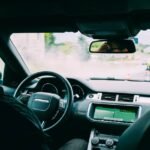
Budgeting Tips for Learner Drivers Before Their Test
Preparing for your driving test involves various factors, and budgeting is one of them. As a learner driver, managing your finances wisely is crucial. Here are some effective budgeting tips to help you stay financially organized before your test.
Assess Your Overall Expenses
Before you start budgeting, it’s essential to understand all the costs involved in getting your driver’s license. Here are the main expenses you should consider:
- Driving lessons
- Test fees
- The cost of acquiring your learner’s permit
- Insurance premiums (if applicable)
- Fuel expenses for practice driving
- Maintenance and possible rental fees for the test vehicle
Create a Detailed Budget Plan
Use a budgeting tool, spreadsheet, or a simple notepad to list all your anticipated expenses. Be realistic about how much you need for each category. A budget plan should include the following:
- Fixed expenses: These are set costs like lesson fees and test charges.
- Variable expenses: These can change based on usage, such as fuel and miscellaneous costs.
- Emergency fund: A small buffer amount for unexpected expenses, like a last-minute lesson or vehicle repairs.
Take Advantage of Discounts and Packages
Check if local driving schools offer package deals for multiple lessons or discounts for booking in advance. This can help reduce the overall cost significantly. Additionally, some schools offer payment plans that can spread the cost over several months, making it easier for you to manage.
Prioritize Lesson Frequency
While it may be tempting to take as many lessons as possible, it’s crucial to prioritize quality over quantity. Consider the following:
- Assess your learning speed and only book as many lessons as you feel you can handle.
- Supplement your formal lessons with casual practice sessions with family or friends.
- Utilize online resources or mobile apps to reinforce your knowledge and skills between lessons.
Track Your Spending
Keeping detailed records of your spending can help you identify areas where you might overspend. Regularly review your transactions against your budget. If you notice you’re going over in certain areas, adjust your spending accordingly. Here are some tips to help you:
- Use budgeting apps to monitor and categorize your expenses.
- Set weekly or monthly financial check-ins to evaluate your budget.
Plan for the Test Day
On the day of your driving test, you don’t want any surprises. Here’s what to consider:
- Calculate transportation costs to get to the testing center (if you’re not using your practice vehicle).
- Account for food or beverages if you’ll be waiting for a while.
- Have cash or a card handy for any unforeseen expenses.
Research Insurance Costs Early
Insuring a vehicle can be one of the most significant costs for new drivers. Research insurance options early on to find a policy that fits your budget. Look for insurance companies that offer discounts for new drivers or good grades in driving schools. Helpful resources include NIID or Insurance.com.
Set Saving Goals
Establish clear savings goals for your driving expenses. By setting a target amount to save each month, you will make managing your finances much easier. Start with small amounts that fit within your budget, and gradually increase as your financial situation improves.
Consider a Side Gig
If your current budget feels tight, consider taking on a temporary side job. Whether it’s babysitting, dog walking, or delivering food, every bit of extra income can contribute to your driving expenses. Analyze your time and energy to ensure that this added responsibility does not overwhelm you.
By implementing these budgeting strategies, you can alleviate financial stress as you prepare for your driving test. Remember that it’s not just about passing the test but also about managing your resources wisely for a successful driving journey ahead.
Essential Driving School Expenses to Consider
Deciding to learn how to drive involves more than just booking lessons and practicing on the road. There are several essential driving school expenses to consider that can add up quickly. Understanding these costs can help you budget appropriately and avoid any financial surprises along the way. Below is a detailed look at the main expenses you should factor in as you navigate through your driving education.
Driving School Tuition Fees
The most significant cost you’ll encounter is the tuition fee charged by the driving school. This fee varies based on several factors, including the school’s reputation, location, and the type of program you choose. It’s crucial to compare prices and ensure you’re getting a quality program that fits your budget. Some typical tuition packages include:
- Standard Lesson Packages: These often include several sessions of behind-the-wheel instruction.
- Intensive Courses: Short courses designed to quickly prepare you for your driving test.
- Private Lessons: One-on-one lessons that can be tailored to your specific needs.
Resources and Materials
In addition to the driving lessons themselves, there are resources and materials you may need to purchase. These can include:
- Driver’s Handbook: Most states provide this for free, but some organizations offer detailed study guides.
- Online Practice Tests: Accessing practice tests can help you prepare for the written exam.
Road Test Fees
After completing your lessons, you’ll eventually need to take a driving test. This test usually comes with its own fee, which varies by state. It’s essential to check your local Department of Motor Vehicles (DMV) or equivalent agency for the most accurate information regarding these fees.
Insurance Costs
Before you start driving on your own, you’ll need to consider car insurance. While this might seem like an optional expense, many states require a minimum level of coverage. New drivers often face higher rates, especially if they are under 25. Keep the following points in mind:
- Compare Quotes: Different insurance companies will offer varying rates for new drivers. Make sure to shop around.
- Consider Discounts: Many insurance providers offer discounts for good students or for completing a driving school.
Gas and Maintenance
If you use a family member’s car or your own car for lessons, consider the additional costs for gas and maintenance. Even small trips can add up, so it’s good to keep track of fuel consumption and service needs. Factors to consider include:
- Fuel Costs: Calculate how much gas you’ll need for both lessons and personal practice time.
- Routine Maintenance: Ensure the car is serviced regularly for safety and performance.
Test Preparation Classes
Some driving schools offer specific test preparation classes. These sessions can help you prepare more effectively for your driving test. While they may add an extra expense, they can be beneficial for those who may be anxious about passing the exam.
Additional Costs
There are other miscellaneous costs associated with learning to drive that you may need to consider:
- Failed Test Fees: In case you don’t pass your first driving test, you may have to pay to retake it.
- Driving Equipment: You may need to purchase accessories such as a good-quality car phone mount or a learner’s plate.
Being fully aware of these expenses will help you plan financially for your driving lessons and ensure a smoother experience overall. For more information about driving schools and specific fees in your area, you can refer to Edmunds or check your local DMV website.
By accounting for these essential expenses in your budget, you can proceed with your driving education with confidence and peace of mind. Happy driving!
Strategies for Saving on Driving Lessons
Learning to drive is an exciting and necessary step toward independence, but it can be expensive. To help you manage costs effectively, here are some strategies that can save you money on driving lessons while ensuring you become a proficient driver.
Shop Around for Driving Schools
Different driving schools have various pricing structures. It can pay off to compare the rates and services offered.
- Look for local driving schools, as they may not have the overhead of larger companies.
- Check if they offer package deals; many schools provide discounts when you book multiple lessons at once.
- Read online reviews to ensure you get quality instruction for your money.
Take Advantage of Discounts and Promotions
Many driving schools offer seasonal discounts or promotions. To maximize savings:
- Follow driving schools on social media; they often post exclusive deals.
- Sign up for newsletters to receive news about upcoming offers directly in your inbox.
- Ask about referral discounts; if a friend recommends a school, both of you might receive a discount.
Utilize Online Resources
Before you even step into the car, utilize online resources to improve your understanding. These tools can help you grasp key concepts quickly, leading to fewer lessons needed:
- Watch instructional videos on YouTube that cover essential driving techniques.
- Use apps designed for learners that simulate driving scenarios or practice road signs.
- Study the driving manual for your region thoroughly; this can reduce the number of lessons you might need.
Practice with a Friend or Family Member
Practicing in your own time is crucial. It’s also a great way to save money. Consider these tips:
- Find a friend or relative who is an experienced driver and can accompany you.
- Make a commitment to practice regularly, which enhances your skill and comfort behind the wheel.
- Try to focus on specific areas you struggle with, making those practices more effective.
Plan Your Lessons Wisely
Timeliness can have a significant impact on cost:
- Opt for early morning or mid-afternoon sessions; these times are often cheaper than peak hours.
- Avoid last-minute bookings; planning ahead may lead to better rates.
- Group lessons can reduce costs, as instructors might offer discounts for teaching multiple students.
Consider an Intensive Course
If your schedule allows, consider signing up for an intensive driving course. While it may seem like a larger upfront investment, it can save you money in the long run by covering more ground in fewer days. Here are some points to consider:
- These courses typically offer a set number of hours in a condensed timeframe.
- Students often find they learn quicker due to the focused instruction.
- Many schools provide a reduction in cost for intensive courses; it’s worth inquiring.
Review Potential Hidden Costs
Be clear about what’s included in your driving lesson costs. Hidden fees can inflate your budget more than anticipated. Here’s what to look for:
- Inquire about the cost of course materials including manual fees or online subscriptions.
- Ask if the school charges for the use of their vehicle or for additional mileage.
- Be aware of cancellation or rescheduling fees which can add up quickly.
Budget Effectively
Having a budget in place will help you control spending. Create a simple budget for your driving lessons:
| Expense Type | Estimated Cost |
|---|---|
| Hourly Rate of Driving Lessons | $X |
| Driving School Fees | $X |
| Supplementary Materials | $X |
| Total Estimated Cost | $X |
By having a clear understanding of your estimated costs, you can avoid overspending and prioritize your lessons effectively.
With these strategies, you can save money while still ensuring you attain the necessary skills to ace your driving test. Always remember, it’s essential to invest in good quality lessons to become a safe and confident driver. For more information, visit Driving School Directory for listings and rates of local driving schools.
Understanding Costs of Vehicle Insurance for New Drivers
When you’re a new driver, understanding the various costs associated with vehicle insurance is crucial. These costs can affect your budget and overall driving experience. Let’s delve into the factors that influence insurance costs and what new drivers can do to manage these expenses.
Factors Affecting Vehicle Insurance Costs for New Drivers
The cost of vehicle insurance can vary significantly for new drivers based on several key factors:
- Age and Driving Experience: Younger drivers, especially those under 25, typically face higher premiums due to a lack of driving history.
- Type of Vehicle: The car you drive greatly influences your insurance costs. High-performance or luxury vehicles usually come with higher premiums.
- Location: Insurance rates can vary by location. Urban areas often have higher rates due to increased risk from accidents and theft.
- Driving Record: A clean driving record can lower your insurance costs, whereas tickets or accidents can raise it significantly.
- Coverage Type: Choosing comprehensive coverage raises your premiums while liability insurance is usually less expensive.
Types of Insurance Coverage
Understanding the types of coverage available is vital for new drivers:
- Liability Insurance: This covers damage to others in an accident you cause. Most states require minimum levels of liability insurance.
- Collision Coverage: This pays for damages to your vehicle in the event of a collision, regardless of fault.
- Comprehensive Coverage: This covers theft, vandalism, and natural disasters. It’s optional but could be a good idea for newer vehicles.
- Personal Injury Protection: This covers medical expenses for you or your passengers after an accident.
Ways to Lower Insurance Costs for New Drivers
New drivers can implement several strategies to reduce their insurance premiums:
- Shop Around: Different insurance companies offer different rates. Comparing quotes can save you money.
- Increase Your Deductible: A higher deductible means you pay more out of pocket in case of a claim, but it can reduce your monthly premium.
- Take Defensive Driving Courses: Many insurers offer discounts for completing defensive driving courses. Check with your provider to see if they provide this benefit.
- Bundle Policies: If you can bundle your car insurance with other policies, such as home insurance, it can lead to significant savings.
- Maintain a Good Academic Record: Some insurers offer discounts for students who maintain a certain GPA.
Understanding Your Policy
Knowing your policy’s details can help you make informed decisions. Be sure to:
- Read the fine print: Understanding what your policy covers and excludes is essential.
- Ask questions: If something isn’t clear, don’t hesitate to ask your insurance agent for clarification.
- Review your policy regularly: As your circumstances change, it may be worth reevaluating your insurance needs.
Staying Informed
Insurance regulations and rates can change frequently. Keeping yourself informed can give you an advantage. Resources such as NAIC can help you understand insurance laws and provide updates on rates. Additionally, comparing rates is easy with free tools available on websites like Insure.com.
Here’s a glance at average insurance costs for new drivers by state:
| State | Average Cost per Year |
|---|---|
| California | $1,800 |
| Texas | $1,500 |
| Florida | $2,000 |
| New York | $2,500 |
As a new driver, understanding the costs of vehicle insurance is essential for managing your budget effectively. By taking time to research and considering your options, you can choose the best insurance coverage that meets your needs while also saving money.
Tips for Managing Road Test Fees and Additional Charges
Preparing for your road test can be both exciting and stressful, particularly when it comes to budgeting for the various fees involved. Understanding these expenses beforehand can help you manage your finances effectively and alleviate some of the pressure. Here are essential tips for managing road test fees and additional charges that you should keep in mind as you get ready for your driving exam.
Know the Costs Involved
The first step to manage your budget effectively is to be aware of all potential costs associated with taking your road test. Generally, you can expect the following expenses:
- Application Fee: This is usually paid when you apply for your learner’s permit.
- Testing Fee: A fee is often incurred when you schedule your road test. Ensure to check the amount in your state.
- Additional Charges: These may include rescheduling fees if you need to change your test date.
- Driving School Costs: If you are taking lessons, factor in the total amount for these classes.
Set a Budget
Creating a specific budget for your driving test is essential. Here’s how to do it effectively:
- Calculate all potential fees, including testing and additional charges.
- Consider lesson costs and any costs associated with your vehicle if you’re using your own for the test.
- Set aside extra money for unexpected expenses, like having to retake the test.
By clearly laying out all anticipated costs, you can ensure that you’ll be financially prepared for your road test.
Look for Discounts
Many driving schools and state DMV offices offer discounts that you might not be aware of. Here are some options to consider:
- Group Discounts: If you’re enrolling with friends or family, check to see if your driving school offers group rates.
- Promotions: Keep an eye out for seasonal promotions from driving schools.
- Payment Plans: Some schools allow you to break the costs down into smaller installments, making the fees easier to manage.
Utilize Free Resources
Take advantage of free resources available to learner drivers. Many websites and apps offer practice tests and driving tips at no cost. This can help you become better prepared without incurring extra expenses. Websites like DMV.org provide a wealth of information on what to expect during your test, along with necessary fees in your state.
Consider Online Courses
If you’re looking for an affordable way to prepare, online driving education courses can be a cost-effective solution. These often provide the same information as in-person classes at a fraction of the price. Here are benefits of choosing an online course:
- Flexibility in learning at your own pace.
- Generally lower costs than traditional classroom setups.
- Access to online resources and materials.
Plan for the Day of the Test
Being prepared on the day of your test can save you time and money. Here are some tips:
- Ensure your vehicle is in good condition and ready for inspection before the test.
- Arrive early to avoid any last-minute fees associated with missed appointments.
- Bring all necessary documents to prevent additional charges.
Understanding the Rescheduling Fees
Unexpected circumstances can arise, leading you to reschedule your test. Knowing the fees associated with this process can help mitigate some shocks. Each state has different policies, so check your local DMV or driving school for specifics. Many allow one reschedule without a fee, but multiple changes can result in charges.
Consider Local Variations in Fees
Fees can vary widely based on location. For example, urban areas may have higher testing fees compared to rural regions. It’s beneficial to research local fee structures before committing to a driving school or scheduling your road test. Websites like NHTSA.gov can provide additional insights into regional differences.
Evaluate Your Options
If you discover that the total costs of testing and lessons are too high, explore all your options. This could involve comparing different driving schools or inquiring about payment options. The right choice now could save you significant money later.
Managing road test fees requires a proactive approach. By knowing the costs upfront, setting a budget, utilizing discounts and resources, and planning appropriately, you can approach your driving test confidently without financial stress.
Affordable Alternatives for Practice Driving
Learning to drive can be a thrilling experience, but it often comes with significant costs. From driving lessons to car insurance, expenses can quickly add up. Thankfully, there are affordable alternatives that can help you practice driving without breaking the bank. Here’s a look at some practical options that you might consider to become a more confident driver while also being mindful of your budget.
Utilizing Family or Friends’ Vehicles
One of the simplest ways to practice driving is to use a vehicle owned by a family member or friend. This option is often free, allowing you to gain valuable experience without incurring rental or lesson fees. Just make sure to ask for permission and confirm that their insurance covers a learner driver. Below are some tips to consider:
- Choose a trusted friend or family member who is an experienced driver.
- Discuss the driving routes and locations where you feel most comfortable practicing.
- Schedule your practice sessions during times when roads are less busy.
Car-Sharing Services
If you don’t have access to a family or friend’s vehicle, car-sharing services can be a cost-effective alternative. These services allow you to rent a car for just a few hours or days. Look for options that specifically cater to learner drivers. Some popular services include:
- Zipcar: Offers hourly rentals with insurance included.
- Getaround: Allows you to rent cars parked nearby.
These services provide flexibility and can be more budget-friendly, especially if you only need a vehicle occasionally to practice driving. Just remember to check the service’s requirements for learner drivers.
Community Driving Programs
Some communities offer affordable driving programs designed specifically for learner drivers. These programs can be a great way to gain behind-the-wheel experience under the guidance of a qualified instructor. To find community programs near you, visit:
- Your local DMV’s website for listings of community driving initiatives.
- Your Best Safety: A resource that often shares information on driving programs.
Participating in a community driving program can not only save money but also provide you with essential driving tips and safety education.
Online Simulators
While nothing beats real-world experience, online driving simulators can be helpful for learning the rules of the road and getting acquainted with various driving scenarios. Many websites offer free or low-cost driving simulations that mimic real-life conditions. Some beneficial websites include:
- Driving-Tests.org: Offers free driving simulators and practice tests.
- Your Driving Test: Focuses on various driving scenarios for practice.
Though these can’t replace hands-on practice, they can help reinforce your understanding of driving concepts.
Forming a Driving Group
Consider forming a driving group with fellow learners. This arrangement allows you to share driving lessons, which can reduce costs significantly. Each member of the group can take turns providing a vehicle for practice or sharing the cost of renting one. Here are some advantages of a driving group:
- Collective learning experience where you can discuss challenges and tips.
- Shared costs for renting a car for practice sessions.
- Greater motivation and support from peers.
By using these alternatives, you can effectively hone your driving skills without incurring hefty costs. Remember, the goal is to become a confident driver, so find a practice budget that suits your needs. No matter which alternative you choose, the key is consistent practice and seeking help when needed.
Creating a Personal Budget for New Drivers and Their Expenses
Becoming a new driver is an exciting milestone, but it also brings along various expenses. Creating a personal budget will help you keep your finances in check as you prepare for your driving test and beyond. Here are key budgeting tips that every learner driver should consider.
Understand Your Driving Costs
First, identify the costs associated with learning to drive. These typically include:
- Driving lessons
- Test fees
- Study materials
- Car insurance
- Fuel expenses
- Maintenance fees
Understanding these costs will allow you to create a comprehensive budget that won’t leave you in the dark about your finances.
Calculate Driving Lesson Expenses
Driving lessons can vary in price depending on your location and the school you choose. On average, a single lesson may cost between £30 and £60. If you plan to take 20 lessons before your test, the total will range from £600 to £1200. It’s essential to decide how many lessons you need and find the best prices.
Budget for Your Test Fees
In addition to lesson costs, budget for the driving test fees. In the UK, the practical driving test costs £62 on weekdays and £75 on evenings or weekends. Don’t forget about the theory test, which is around £23. Make sure to save enough to cover these expenses, so they don’t catch you off guard.
Invest in Study Materials
Studying for your theory test is crucial, and this may involve purchasing books or apps. Expect to spend around £20 to £50 on quality study materials. Look for comprehensive options that offer practice tests to give you a better chance of passing.
Factor in Car Insurance
Once you pass your driving test, getting car insurance is unavoidable. As a new driver, expect to pay higher premiums due to your lack of experience. Research different insurance providers to find the most competitive rates. On average, new drivers can spend between £1,000 and £2,000 a year. Use comparison sites like uSwitch to simplify your search.
Monitor Fuel Expenses
When you start driving on your own, your fuel costs will increase significantly. Budget at least £50 to £100 a month for petrol, depending on your driving routine. Consider using budgeting apps or spreadsheets to keep track of these expenses effectively.
Account for Maintenance Costs
A well-maintained car is key to smooth driving. Allocate a monthly budget for maintenance, tyre checks, oil changes, and unexpected repairs. Typically, setting aside £30 to £50 monthly can help you cover these costs.
Track Your Spending
After you have identified your costs, it’s essential to track your spending. Use a simple spreadsheet or a budgeting app to keep an eye on your financial flow. Regularly updating this can help you identify areas where you can cut back and save more.
| Expense | Estimated Cost |
|---|---|
| Driving Lessons (20 sessions) | £600 – £1200 |
| Practical Driving Test | £62 – £75 |
| Theory Test | £23 |
| Study Materials | £20 – £50 |
| Annual Car Insurance | £1,000 – £2,000 |
| Monthly Fuel Costs | £50 – £100 |
| Monthly Maintenance Budget | £30 – £50 |
Prepare for the Unexpected
Always have a buffer in your budget for unexpected expenses. Whether it’s an extra driving lesson or an emergency repair, having some extra funds allotted can provide peace of mind. A good rule of thumb is to set aside at least 10% of your monthly budget for unexpected costs.
By being mindful of your spending, you can set yourself up for success as you prepare for your driving test and enjoy the freedom of being on the road. For more information on budgeting tips tailored for learner drivers, visit Money Advice Service for comprehensive guidance. Good luck with your driving journey!
Key Takeaway:
Preparing for your driving test can be both exciting and overwhelming, especially when it comes to money management. Here are some key takeaways on budgeting tips for learner drivers before their test.
First and foremost, understanding essential driving school expenses is crucial. Costs can quickly add up, from lesson fees to administrative charges. Research various driving schools in your area and compare their prices, lesson lengths, and the number of lessons typically recommended. By knowing what to expect, you can allocate your funds more effectively and avoid surprises.
Next, consider strategies for saving on driving lessons. Many driving instructors offer package deals or discounts for purchasing multiple lessons in advance. You can also explore group lessons as a fun way to lower costs and learn alongside friends. Additionally, practicing with a parent or friend who is experienced can help you gain valuable driving skills without incurring high instruction fees.
Insurance costs are another significant expense for new drivers. Understanding vehicle insurance can save you money in the long run. Shop around for quotes from multiple providers, look for discounts for safe driving, and consider opting for a higher deductible to lower your monthly premium.
Managing road test fees and additional charges is also important. Research your local DMV to find out the fees associated with your test. Some places allow you to schedule your test online, which can eliminate additional service fees.
Moreover, there are affordable alternatives for practice driving. Rather than solely relying on driving school lessons, try to schedule practice time with family or friends who are licensed. They can provide guidance while helping you build confidence at the wheel.
Create a personal budget to track all these expenses. By itemizing your expected costs and savings, you can develop a clear financial plan. This way, you will be ready not only for your test but also for other future expenses related to driving.
By implementing these budgeting tips, learner drivers can alleviate some of the financial stress that comes with preparing for their driving test.
Conclusion
Preparing for your driving test can be both exciting and stressful, especially when you consider the various expenses involved. Understanding budgeting tips for learner drivers is essential to ensure you’re financially ready to take on this important milestone. By being aware of essential driving school expenses, you can allocate your funds wisely and avoid unpleasant surprises.
Implementing strategies for saving on driving lessons not only helps you maximize your investment but also boosts your confidence behind the wheel. Don’t forget to research vehicle insurance costs for new drivers, as these can significantly impact your budget. Being proactive about managing road test fees and any additional charges is equally important; knowing what to expect can help you prepare adequately.
You can also explore affordable alternatives for practice driving. Whether it’s practicing with a family member or utilizing community programs, finding cost-effective ways to hone your skills can ease the financial burden. Creating a personal budget tailored to your driving-related expenses ensures you’re always aware of where your money is going.
With these budgeting tips in mind, you can approach your driving test and the costs associated with it more confidently. Remember, financial preparedness is just as crucial as mastering driving skills. By following the strategies outlined, you’re not only setting yourself up for success on the road but also taking impactful steps toward financial responsibility. Enjoy the journey to earning your driver’s license—it’s a valuable accomplishment that opens up many opportunities.