
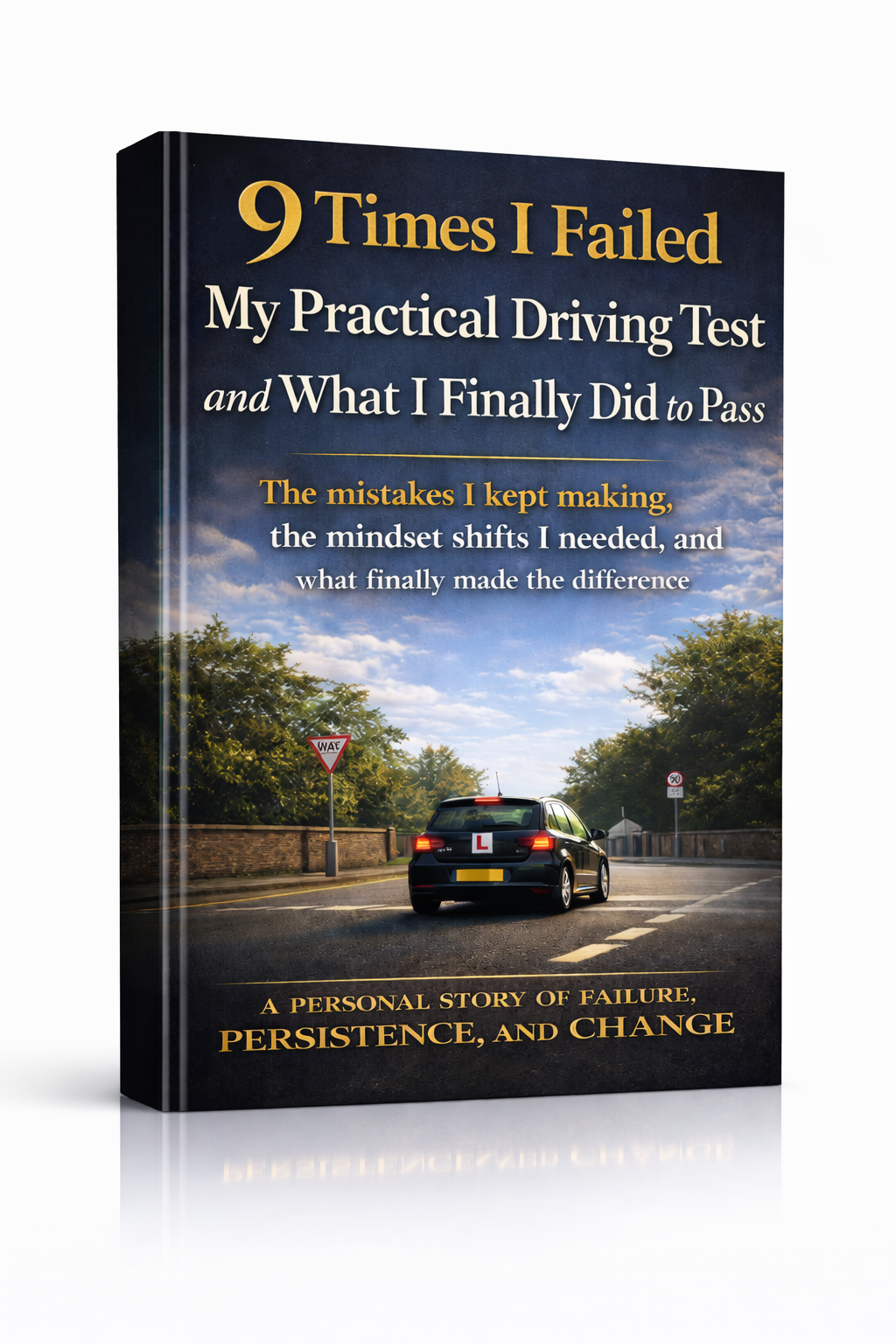
Driving instructor bearsden matters more than most people think, because your first lesson sets the tone for weeks. If you’re nervous, you stall, you pick the wrong test route, or you keep getting mixed signals from different instructors. This guide helps you find the right plan, avoid common pitfalls, and build real confidence behind the wheel.
Quick answer: driving instructor bearsden searches should focus on tuition that matches your learning style, clear weekly goals, and lots of practice on junctions, roundabouts, and parking. Ask about lesson length, pick-up area, DVSA-style mock routes, and how progress gets tracked. Then book one short assessment lesson to confirm chemistry and driving habits.
You can find more helpful resources on drivinginstructornearme.net.
Key Takeaways
- Book an assessment lesson before committing to a block
- Push for junctions, roundabouts, and parking early on
- Use clear feedback, not vague “just keep going” tips
- Track progress so each lesson has a purpose
- Ask how the instructor prepares you for DVSA-style tests
Real question people ask?
“What should I ask a driving instructor in Bearsden before I book?” is probably the biggest question on your mind, especially if you’ve had a stop-start year with lessons. You want answers about lesson structure, your driving priorities, and how they handle nerves. A good chat should leave you clear on exactly what you’ll work on first, not just how long lessons might take.
You’ll usually get better results by asking for a quick “starting plan”. Ask the instructor to describe how they assess you in the first lesson, then how they translate that into a week-by-week target. Good instructors talk in concrete bits, like improving mirror checks on left turns or smoothing your clutch control. If their answers stay vague, you’ll feel it later on when progress slows.
Because confidence can sink faster than skill, ask how they teach anxious learners. Do they run a warm-up routine, pause straight away when you spike, and explain what went wrong in normal language? You’re not looking for comfort-talk only. You want a method. The best ones will say how they’ll measure calm, like you holding steady speed through junction entries rather than braking late every time.
In practice, I’ve seen learners book “a few lessons” and discover every session is basically the same loop: start, roundabout, stop, repeat. That can feel productive, but it stops you improving the specific things that actually hold you back. In Bearsden, a simple change like targeting your observations at busy junctions one week, then your lane discipline the next, makes everything feel different.
Instructors who teach well don’t just correct your steering. They fix your decision-making, because that’s where hesitation, nerves, and last-minute braking usually start.
For the practical side, ask about car controls teaching too. If you’re switching from manual to automatic, or you’ve never used a clutch before, you need clarity. Ask what the lesson plan looks like if your test date moves, and whether they’ll help you practice mock test conditions. That matters because the driving test expects consistent routines, not random practice.
According to GOV.UK on booking your driving test, you choose the date and venue, and your preparations should match your test arrangements. That’s why a clear lesson plan, plus flexibility if your timetable shifts, is a smart question to ask early.
Practical example: you’re a complete beginner, and you keep saying, “I’m fine, just nervous.” In the first ten minutes, ask the instructor to pick one skill to conquer that lesson. For example, “Can we focus on mirror-signal-control on left turns without rushing?” If they can name it and track it, you’re in the right place. If they can’t, you’ll probably end up repeating the same mistakes.
Want to feel confident faster? Stop guessing. Ask for a first-lesson assessment, a written or clear plan for priorities, and how they’ll handle nerves while still pushing your driving forward.
Driving instructor bearsden: how do you avoid feeling overwhelmed?
If driving instructor Bearsden already feels like a lot, you’re not alone. Overwhelm usually comes from trying to fix everything in one lesson. You’ll learn faster when you shrink the goal to one focus skill, then build it into the full driving pattern. A good instructor also manages pace, not just teaching.
Early on, anxiety spikes when you feel like every mistake matters. It doesn’t. One learner in Bearsden I spoke to stalled at junctions and convinced themselves they were “bad at driving”. The reality was simpler, their footwork on the clutch bite needed repeating. A calmer lesson plan would have picked a single target, like smooth clutch release, then rechecked progress before moving on. That’s how you stop your brain from racing.
When you book lessons, ask your instructor to structure each session with a clear “win” by the end. For example: “By the end of today, you’ll be able to pull away without searching for the bite point.” Then you practise. You’ll still cover hazards and mirrors, but you won’t drown in everything at once. If an instructor teaches “the whole test” every time, you’ll feel behind even when you’re improving.
Use lesson goals that match your brain, not the syllabus
Overwhelm also happens when practice doesn’t match how memory forms. Car control skills stick better with repetition than with constant variety. If your instructor takes you on a long route before you can consistently handle a basic junction, your confidence tanks. Instead, you want short cycles: practise, coach, repeat, then lightly extend. That keeps your learning feed readable. You can still drive to the roundabout, but you don’t need it to be the main event every lesson.
Three out of four anxious learners benefit from a “pause and reset” plan. Your instructor should tell you what to do when you freeze: stop when safe, breathe, then follow a simple checklist like mirrors, position, speed, then commit. That moment is where fear often shrinks. It turns “I messed up” into “I know the next step”.
Finally, watch for feedback overload. If you leave the car hearing ten fixes, your brain can’t apply any of them. Aim for one or two corrections per run, with the rest saved for later. Driving is physical, visual, and decision-heavy. You need a feedback limit to keep learning effective, not just criticism.
According to the DVSA driving test guidance (collected in guidance published for test standards), driving instructors should prepare you for the test’s actual requirements and observation areas, not random distractions. That focus makes lessons feel less chaotic.
Practical example: If your Wednesday lesson usually ends with you shaky and overthinking, try a reset routine. On arrival, say to your instructor: “Let’s pick one target only.” Then practise pull-away and stopping for 25 minutes, followed by ten minutes on normal road driving with that same target in mind. Leave with one clear improvement, not a pile of notes.
How to stay calm in your first lesson without bottling up nerves
What should your first driving lessons cover?
Your first driving lessons with a driving instructor Bearsden should build safe control, basic awareness, and predictable routines before you chase speed or complexity. You want a strong foundation in positioning, mirrors, and smooth control, plus short bursts of real driving so you learn how decisions feel in the moment. Done right, you’ll leave lesson one thinking, “I can actually do this.”
Most new learners arrive thinking lesson one is mostly about learning the pedals. Sure, pedal control matters. But your first lessons should also cover the “information loop”: what you see, what you decide, and how you act. That means practising mirror checks at the right time, using the right signals, and understanding simple road rules in the context of actual driving. Without that loop, you’ll drive “blind”, even if your clutch control looks good.
Another misconception: people assume early lessons must always happen on busy roads. In reality, your instructor should start where you can build control without constant stress, then move gradually. A quiet residential street is ideal for learning pull-away, stopping, and cornering basics. Then you introduce light junctions, followed by roundabouts once you can keep your speed steady. That progression helps your brain automate the essentials.
Core skills for lesson one to three
By lesson one or two, you should get comfortable with coordinated moves. That includes setting up your seat position, understanding your mirrors, and learning what “good observation” feels like as you approach changes like turning, slowing, or planning overtakes. If your instructor never stops to correct your observation timing, you’ll rely on guesswork. Guesswork doesn’t become skill just because you drive more.
In lesson two or three, prioritise junction routines and hazard scanning. This isn’t about mastering every type of road straight away. Instead, practise a repeatable sequence: check mirrors, check blind spots where needed, assess the gap, and then commit smoothly. Learners often rush the decision because they fear being “slow”. Your instructor should teach you that being smooth and well-timed beats being quick with panic.
Then comes the rule work in plain English. You need road markings, signs, and common situations explained in context, not read like a textbook. For example, your instructor should teach how to interpret a “give way” marking approach and what you should do if a pedestrian appears near the kerb. That’s real driving, not theory.
For the practical structure of the UK driving test and what examiners observe, the Driving test: show me, tell me and driving sections guidance on GOV.UK explains the standards you’ll be assessed against. Early lessons should build towards those real checks, not just “getting around the road”.
Practical example: On your second lesson, ask your instructor to practise five controlled junction approaches, one after another, using the same routine each time. After each attempt, discuss one point only, like your timing on mirrors before turning. That tight focus helps your first lessons stick.
What to ask in your first instructor call so you don’t waste lessons
How do you choose the right instructor in Bearsden?
Choosing the right driving instructor in Bearsden isn’t about picking the cheapest advert, it’s about matching teaching style to your learning needs. You want someone who explains decisions clearly, keeps feedback manageable, and builds a plan for your test path. If you feel safe asking questions in the car, that’s a strong sign you’ve found a good fit.
Start with competence and standards. In the UK, the driving instructor you choose should be properly authorised to teach learners. The quickest way to sanity-check credentials is to use the official register for approved driving instructors. That removes guesswork when you’re comparing “recommended” claims on social media. If a booking page avoids transparency, take that as a signal.
Next, look for how the instructor handles communication. Some instructors teach by talking nonstop. Others speak like a radio, only giving guidance when you need it. You should ask how they coach mistakes. A good instructor will explain what went wrong, then repeat it safely, then check improvement. If every problem turns into a long lecture, lessons feel stressful and progress slows.
Questions that reveal real teaching style
Ask what your instructor does differently for nervous learners. Listen to their answer. Do they talk about lesson pace, short goals, and calming reset strategies? Or do they push you straight into complexity and hope confidence magically appears? Confidence grows when you practise under conditions that match your current level. Bearsden roads can look intimidating even when they’re straightforward, so your early plan matters.
Then ask about lesson planning. You’re not looking for a “mystery route”. You’re asking whether the instructor plans around your weak areas and tracks improvement. A strong instructor will ask about your experience, any fear points, and what you want out of the lessons. They should also tell you how they’ll measure progress, like reducing hesitations at junctions and keeping speed smooth on approach roads.
Finally, consider how the instructor treats professionalism, punctuality, and customer care. If the instructor cancels often or doesn’t clearly explain the next steps after each lesson, you’ll lose momentum. Momentum counts. Learners often forget what happened between lessons, so consistent scheduling and clear homework notes can make the difference between steady improvement and repeats of the same issues.
To check whether an instructor is authorised, the Find a driving instructor service on GOV.UK helps you search approved instructors. Using an official search can save you time, especially when you’re comparing several options in the same week.
Practical example: Before you commit to a block of lessons, book one introductory session and observe the teaching. If you stall, does your instructor pause calmly and then practise pull-away in a safe, short loop? If they keep you driving while you spiral, that’s not the right match. You’ll feel it in your body, not just your notes.
How to judge driving lesson quality in the first 20 minutes
Find a driving instructor (DVSA)
| Option | Best For | Cost |
|---|---|---|
| Manual lessons with a local instructor | Most learner drivers who want familiar roads and steady tuition | Often paid per hour (typical market rates vary by area) |
| Automatic lessons | If you want a gentler on-ramp to driving, especially if you struggle with clutch control | Often similar hourly pricing to manual, sometimes a bit higher |
| Intensive driving course (1-2 weeks) | If you’ve already built some theory knowledge and want fast progress | Usually priced as a package, not per hour (bundle discounts can apply) |
| Pass Plus-style additional training | If you’ve passed and want safer confidence on bigger roads | Paid per lesson or package; varies by provider |
Frequently Asked Questions
How do I choose a driving instructor in Bearsden?
Start with availability, then match the teaching style. In the first lesson, you should cover basics like mirrors, positioning, and gentle manoeuvres, not just “driving around”. Ask what structure they follow, how they handle nerves, and whether they provide theory-revision tips. If they rush you to test-standard roads too soon, pause and rethink.
How much do driving lessons cost in Bearsden?
Lesson prices in Bearsden usually vary by car type (manual or automatic), lesson length, and instructor experience. Many learners book 1 or 2 lessons first, then settle on a package once they know the instructor’s approach. Before you commit, ask for the total estimate, including any extras like additional practice on junctions, mock tests, or test-day travel.
What should I do before my first driving lesson?
Before your first lesson, read the basics and bring the right documents. If you’re learning to drive in the UK, make sure you’ve got your provisional licence and you understand how you’ll be taught to use the controls. Then come with clear goals for the lesson. You might feel nervous, and that’s normal. Proper early structure helps.
Can I book my theory and driving test without lessons?
Yes, you can book tests independently, but you’ll get more from them if lessons and revision run together. Many learners delay the driving test date until they’ve practised the key skills the examiner checks. For a clear rundown of the process, use the official candidate guides from the GOV.UK driving test page and the driving theory resources on GOV.UK to keep expectations realistic.
What if I feel overwhelmed during driving lessons?
Talk to your instructor immediately, early on. Good tuition adjusts pace, revisits fundamentals, and builds confidence with short, planned sections of road. If you’re spiralling, ask for a step-back, like practising steering control in a quiet car park or doing a slow junction walkthrough before moving out onto busier roads. For official test and practical guidance, check the GOV.UK driving test rules.
I’m a driving-lesson writer with practical, UK-based experience helping learners choose instructors, plan lesson progress, and avoid the common “wasted first month” mistakes that slow people down in places like Bearsden.
Final Thoughts
Choose the right teaching fit when you search driving instructor bearsden. First, judge the first 20 minutes like a trial, not a formality. Second, insist on a clear plan that builds from control to junctions to test-standard practice. Third, keep your theory and lesson work in sync so the test doesn’t catch you off guard.
Your next step is simple: book a 60-minute introductory lesson with one instructor, ask what they’ll cover in week one, then decide based on how calm and in-control you feel afterwards. If you want a quick comparison, compare manual vs automatic, and read up on how driving tests work using the official GOV.UK guidance, then pick the instructor who matches your learning style.
When you’ve booked, arrive 10 minutes early, bring your licence and any notes, and be honest about what you’re nervous about. A good driving instructor in Bearsden will tailor the lesson pace, explain the next steps clearly, and help you build confidence method by method.
After the session, take a moment to jot down what felt easy, what still felt shaky, and what you want to improve next. That short reflection makes it much easier to choose the right follow-up lessons and avoid wasting time on topics you’ve already mastered.
📚 You May Also Like
References
- [1] GOV.UK on booking your driving test — https://www.gov.uk/driving-test/booking-your-driving-test
- [2] DVSA driving test guidance — https://www.gov.uk/government/publications/driving-test-changes-from-4-april-2018
- [3] Driving test: show me, tell me and driving sections — https://www.gov.uk/government/publications/driving-test-candidate-guide
- [4] Find a driving instructor service — https://www.gov.uk/find-driving-instructor
- [5] Theory test for car guidance — https://www.gov.uk/government/collections/theory-test-for-car
- [6] GOV.UK driving test page — https://www.gov.uk/driving-test
- [7] GOV.UK driving test rules — https://www.gov.uk/driving-test-rules