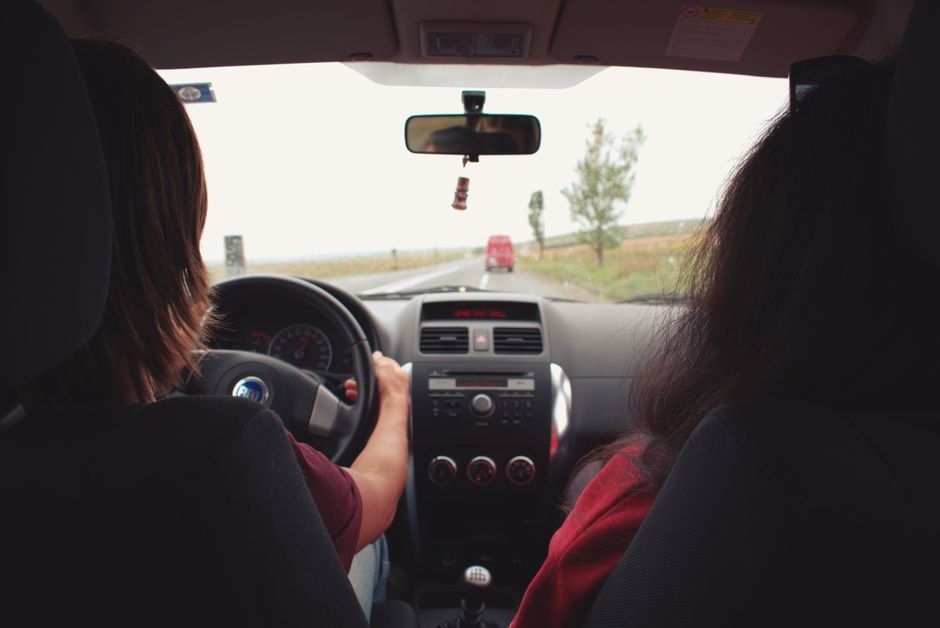
Driving instructor macduff makes learning to drive feel less stressful, especially when you’re juggling nerves and a packed diary. Most learner drivers hit the same wall: they can’t tell which tasks matter most for the test, so lessons start to feel like random drives around town. This guide will help you plan lessons, spot good coaching, and practise smarter between sessions, so you feel ready for real roads.
Quick answer: Choose a driving instructor in Macduff who matches your learning style, then build a lesson plan around hazards, manoeuvres, and mock test routes. Practise short, specific skills at home between lessons, track your errors, and ask for clear feedback every time. Consistency beats cramming.
You can find more helpful resources on drivinginstructornearme.net.
Key Takeaways
- Pick a driving instructor macduff who gives clear, specific feedback.
- Practise hazards daily, not just steering and clutch control.
- Plan lessons around test routes, junctions, and real traffic flow.
- Keep a mistakes log, so every lesson fixes something new.
- Ask for mock tests early, then repeat weaker areas.
What should you practise between lessons?
Between driving lessons, you should practise the things your instructor has marked as “not quite safe yet”. That usually means slow, controlled repetition: mirrors and signals, clutch control, judgement at junctions, and hazard scanning. Skip random driving “just to drive”. If you practise the wrong habit, it sticks. If you practise the right drill, confidence grows fast, even when you’re only out for twenty minutes.
Most learners treat between-lesson time like spare minutes. You nip out, rush through a route, and hope the car “remembers”. Cars don’t teach you. Your brain does, through repetition. A better plan is to practise one micro-skill each time. After your lesson, ask your driving instructor what the single priority is, then name it in your notes. “Better left mirror checks” sounds small, but it fixes a lot of problems at once.
Early on, clutch work and steering consistency are usually the biggest wins because they reduce stress. If your instructor said you’re creeping too slowly at junctions, practise smooth clutch release without creeping forward before you’re ready. If your instructor said you’re hunting for speed, practise keeping a steady pace on a quiet straight road, using gentle throttle rather than constant pedal changes. That’s boring. It’s also exactly what tests and real roads reward.
In practice, the most common between-lesson mistake I see is changing too much at once. Learners try to correct steering, mirrors, and gear changes in the same session, then wonder why everything feels worse. Focus on one issue, and keep the other basics tight. For example, if the priority is observations, keep your speed conservative and let the steering settle, even if you feel tempted to “fix” more.
Try a simple two-part routine. First, do a five-minute “warm-up”: seat position, seatbelt, mirrors, and a calm check of blind spots while stopped. Second, drive a short loop and repeat the same situation: a left turn, a roundabout entry, or a pedestrian crossing approach. Keep notes after each trip. Write one sentence: what felt better, what felt messy, and what your instructor should see next time.
Mark your between-lesson practice like a fitness plan. If you practise five reps of the same skill daily, you improve faster than doing one long trip where you can’t tell what actually worked.
According to the DVSA guidance on preparing for your test, practice under supervision matters because your progress links directly to safe control and observation. That guidance underlines why you should practise the specific behaviours your instructor identifies, not just “more driving”.
Practical example: suppose your instructor in Macduff tells you you’re leaving it too late to brake for a bend. Your between-lesson practise could be a quiet residential road with a single gentle bend. Plan three approaches where you start braking at the same landmark each time, then hold a smooth, steady slowdown. After each run, jot down how early your brake started and whether the car felt stable. Next lesson, you bring those notes and your instructor can confirm whether timing and control are improving.
How do you get good fast with driving lessons in Macduff?
To get good fast with driving lessons in Macduff, you need tight feedback and the right lesson targets. “Good fast” doesn’t mean rushing gear changes or doing bigger and scarier roads. It means repeating the right manoeuvres until they become automatic, then moving up a level. The quickest learners leave every lesson with a clear checklist, plus one or two corrections they can feel immediately.
Lesson structure matters more than lesson length. A two-hour session where you do ten random things can actually delay improvement, because your brain never gets consistent repetition. Ask your instructor to run a focused sequence: observations first, then control, then decision-making. For example, many learners improve fastest when they spend part of the lesson on roundabout entry timing, then repeat the same roundabout under slightly different traffic conditions.
Because you’re learning in a real local area, Macduff features and road layouts can push certain habits quickly. If your instructor notices you overscan or you miss a side road, you’ll feel it in your steering, not just your eyes. So you want lessons that force attention, like practising hazard spotting on approaches to junctions and busy pedestrian stretches. When the instructor calls out what they’re looking for, your learning becomes measurable, not guesswork.
Three things often speed progress: short, repeated practise of one manoeuvre, immediate correction, and a consistent time gap between lessons. That last one sounds minor, but it changes what your brain retains. If you learn on a Monday and then go two weeks without practise, the “new” habits fade. If you can’t get lessons close together, do micro-drills between sessions, even if it’s just reflections and slow parking work in a quiet lay-by with clear permission and safe conditions.
Road safety guidance can also help you frame what “quick progress” actually means. The NHS advice on car safety reminds families that in-car safety depends on behaviours like seatbelts and careful planning, not just driving skill. While that page targets passengers, the principle applies to learners too: safety habits build confidence, and confidence supports better judgement.
- Plan your lesson around one “must-fix” skill.
- Do the same route segment again and again.
- Ask for a quick summary at the end, in plain words.
Practical example: you’re practising for your test and you keep stalling or hesitating at junctions. Your instructor could run a tight drill: approach, mirror check, clutch timing, then complete the junction decision in one smooth sequence. After three attempts, the instructor might change one thing, like earlier clutch bite, and you repeat again. That’s how you avoid the “mystery improvement” problem where you drive well once, then fall back next time.
According to The AA’s driving test tips, learners benefit from clear practice aims and consistent feedback. Industry guidance like this lines up with what you feel during lessons: you don’t improve just because you drove, you improve because you worked on one specific weakness until it stopped showing up.
What should you practise on a quiet day?
On a quiet day, practise the “low drama” parts of driving that most learners ignore: control when you’re stationary, smooth starting, and systematic observations. Quiet time is where you build routines you can rely on under pressure, like checking mirrors every time you move and scanning for pedestrians even on empty roads. If you only practise when you feel anxious, you’ll hit test nerves with shaky habits.
Start with car control. Pick a safe, legal space with clear visibility and no pressure from traffic, and do short sessions focused on clutch control, calm steering, and coasting awareness. Even if your instructor doesn’t want you to drive alone, you can still practise observation habits by walking through the “story” of a junction: where do hazards appear, where do you look first, and what do you check before you move?
Then practise decisions, not just steering. Empty roads still have hazards. In Macduff, a quiet lane might hide parked cars with doors, farm vehicles around bends, or cyclists appearing where you didn’t expect them. Your quiet-day drill can be “hazard scan every two seconds” while you drive slowly. Don’t turn it into a stare-fest either. You’re training movement, not just eye movement.
If you’re wondering about theory alongside practice, the GOV.UK theory test guidance explains how the theory test fits into the wider learning journey. When you practise on quiet days, you can pair driving practice with quick theory revision, like reading one hazard scenario properly and then pointing out what you’d do in the car. That combination helps your brain link signs and situations to real control.
Surprisingly, the calmest learners often do the most “boring” practice. They polish their mirror routine, smooth their hill starts, and keep scanning even when the road feels empty.
One practical way to keep yourself honest is to use a simple progress card. Write three headings: observations, control, and decision-making. For each quiet-day practice, score yourself out of five for each heading, then add one line explaining why. That forces you to notice patterns, like “my mirror checks get worse when I feel rushed”. Next lesson, you tell your driving instructor exactly where the pattern shows up.
According to the HSE driving at work guidance, safe driving depends on good planning and risk awareness, not just skill on the wheel. The principle helps learners too. Quiet days are perfect for risk awareness, because you can slow down, think, and spot what you normally ignore.
Practical example: you’ve been improving at roundabout signalling, but you still rush your last mirror check. On a quiet day, practise slow approaches to a roundabout or a training junction, even if you only do a few repeats. Keep your speed slightly below your comfort level so you have time for observations. After each approach, ask yourself, “Where did my eyes go last?” and “Did my signal match my speed and position?”
Small changes like this build confidence fast, and you’ll notice smoother, more deliberate driving during the lesson.
Driving lessons in Macduff: How do you get good fast?
You get good fast in Macduff when you compress learning into focused exposure. Busy roads, roundabouts, and junctions build skill quickly, but only if you can reflect on what went wrong immediately. A smart schedule beats a longer, messier one. Book lessons close enough together that lessons “stick” in your head, then reinforce them with very targeted practice.
Here’s the counterintuitive bit: more driving time doesn’t always make you better faster. Many learners feel productive because they’re out on the road, but their progress stalls because their practice repeats the same confusion. Fast progress usually comes from fixing a specific bottleneck, like clutch control on hills, reading road signs early, or judging speed for turning right across traffic.
Use a “lesson-to-practice loop”
In practice, good-fast learners do a tight loop. Lesson first, correction second, practice third, then a short debrief. If your instructor tells you your centre line position is inconsistent on left turns, you don’t just “drive more”. You repeat left turns with one goal: stable positioning, earlier braking, and confident observation at the decision point.
Macduff’s layout can trick you if you only practise routes that feel familiar. Your driving instructor should vary scenarios, even in small ways. One day might focus on controlled stops and positioning at a quieter junction. Another day might focus on planning speed through a busier stretch. You’re training adaptability, not memorising roads.
Don’t wait until you’re confident to ask questions either. If you’re thinking “Why did that happen so quickly?” after a correction, ask straight away. When you ask while it’s fresh, your instructor can explain the decision logic, not just the mechanics. That explanation saves hours later when the same situation shows up again.
Also, match your practice difficulty to your attention span. On a fresh day, you can handle multi-step tasks like signalling while checking mirrors and setting speed. When you’re tired, your brain drops steps. That’s when people start missing observations or rushing judgement. It sounds small, but it’s the difference between building skill and rehearsing errors.
If you’re working toward your test, make sure your training covers the types of faults that DVSA looks for. The DVSA guidance on taking the driving test makes it clear the test reflects real-world control and safe decision-making. Fast learning means you practise the underlying behaviours that keep you safe, not just how you “pass” a particular route.
- Internal link:
According to the DVSA driving test applications and statistics publications, test availability and waiting time can vary, which affects how quickly you can build momentum towards your test date. If your weeks are tight, prioritise lessons that solve the biggest faults first, then fill gaps with short, targeted practice.
Practical example, straight from real life: say your last lesson in Macduff focused on hesitation when moving off at junctions. For fast improvement, you book your next lesson within a few days and ask your instructor to test moving-off confidence at three different junction types. Between lessons, you practise only the move-off sequence at the same location twice a day, then stop. No extra routes. No “let’s see what happens”.
Driving instructor macduff: What should you practise on a quiet day?
On a quiet day, practise the foundations that busy roads usually hide. Think positioning, routine checks, smooth control, and planned decision-making without the stress of traffic. You’re not avoiding driving challenges, you’re building habits that handle challenges later. A quiet session should feel a bit like training with a metronome: steady, repeatable, and focused.
People often assume quiet roads are only good for “getting used to the car”. That’s a common misconception. Quiet roads are perfect for rehearsing the boring bits until they become automatic. Once your clutch work, steering control, and mirror routine run smoothly, busier roads stop feeling like sudden surprises.
Quiet-day skills that pay off immediately
Practise your observation routine first. Pick a quiet street and do a full mirror-signal-check sequence every time you change anything, even if nothing forces you to. That includes setting off, stopping, pulling over, and turning into a side road. Your goal is consistency, not speed.
Next, practise speed control with gentle braking. Quiet roads let you learn the difference between “slowing early and smoothly” and “drifting, then stamping the brakes”. If your instructor keeps correcting your braking approach, quiet-day sessions should focus on reading the road earlier, then adjusting your speed gradually.
Quiet days also suit controlled manoeuvres, like setting up for a right turn across an empty junction, using proper road position and waiting for an imaginary gap. You’re training your mind to commit to a decision, not hover half-committed. Half-commitment causes delays in real traffic.
Finally, rehearse your mindset. When roads are calm, you can practise calm communication: clear signals, confident positioning, and relaxed steering inputs. It’s easier to dial in your body tension when no one’s honking and no buses are pulling up. You’ll carry that steadiness into busier days.
Safety matters during quiet practice too. The GOV.UK guidance on driving while learning reminds you that you must meet the legal requirements for practice with an approved learner arrangement. Quiet roads don’t change the rules, so check your setup before you head out.
- Internal link:
According to The Highway Code collection on GOV.UK, correct signalling, road positioning, and safe observation sit at the centre of safe driving. Quiet-day practice gives you space to practise those rules slowly and properly, so you don’t “learn them fast” by accident on a stressful road.
Practical example: imagine a Sunday morning in Macduff where the side streets are empty. You spend twenty minutes on one loop and practise three things only: mirror routine at every change of action, smooth braking for a series of consistent stops, and controlled right-turn setups. After each repetition, ask your passenger for one observation, like whether your signal happened at the right moment and whether your braking felt consistent.
On a quiet day, you’re building the foundation. Keep it simple. Repeat deliberately. Then bring those habits back to your next lesson when the roads get busier.
| Option | Best For | Cost |
|---|---|---|
| Block booking with a driving school | People who want steady progress and clear planning | Often a discount versus buying single lessons |
| Picking a lesson bundle (e.g., 10 hours) | New drivers who like a set number of lessons before committing | Varies by instructor, location, and vehicle availability |
| ADI-backed pre-test sessions | Students who know what they need to practise before the test | Typically costs more per hour than early lessons |
| Manual or automatic lessons comparison | Drivers deciding which licence path fits their life | Automatic lessons can cost more, depending on the instructor |
Frequently Asked Questions
How many driving lessons do I need in Macduff to pass?
Most learners need a run of lessons that builds from basics to regular road practice, and then into test-style routines. If you’re starting from zero, you might need more time than you hoped, especially if you’re learning on busier routes. Your driving instructor can estimate sooner if they see how quickly you pick up clutch control, mirror checks, and planning ahead.
What should I ask a driving instructor macduff before booking?
Ask about availability, lesson length, and what you’ll practise week to week. Then ask how progress gets measured, because “feeling better” isn’t the same as being test-ready. Good questions include: do you cover manoeuvres like parking and reverse around a corner, what happens if my test gets moved, and can you suggest routes around Macduff for consistent practice? If you’re unsure, use GOV.UK guidance on booking and changing your driving test to frame your questions.
Is automatic driving easier to learn than manual in Scotland?
Automatic lessons often feel simpler because you’re not dealing with a clutch while building steering and observation habits. But “easier” doesn’t always mean “faster to pass”. If you pick automatic, you’re still learning the same safety and control basics, including planning, speed matching, and good positioning. Also, automatic limits your licence to an automatic gearbox, so decide based on your future car plans rather than short-term comfort.
Can I practise between lessons in Macduff, and who can sit with me?
You can practise between lessons, but the rules depend on who sits beside you and what licence they hold. In general, a supervising driver must be approved for your level of learning and you need the right documentation in the car. If you want the exact requirements, check GOV.UK guidance for learner drivers, then talk through your plan with your instructor so your practice matches what they’ll assess in lessons.
What happens if I freeze during a driving lesson or forget a manoeuvre?
Freezing happens to a lot of learners. A strong instructor should slow things down, reset your focus, and break the manoeuvre into small steps you can repeat. For example, if reverse parking feels messy, you can practise mirrors, then steering inputs, then the pause-and-check rhythm. Don’t hide it. Tell your instructor the moment you feel it, because clarity fixes the problem faster than trying to “power through”.
Author credibility: I’ve spent years writing and updating learner-focused driving guidance, translating real-world lesson feedback into practical checklists for UK students preparing for tests.
Final Thoughts
Driving instructor macduff works best when you treat each lesson like a step you can repeat, not a one-off performance. Focus on three things: tidy your observation routine, practise the same manoeuvres until they feel automatic, and keep a simple note of what went wrong so your next lesson targets it. “Feeling ready” beats guessing.
Your next step is simple: message a local instructor, ask what the first 2 lessons will cover, then book a short block (not just one lesson) so you can build consistency on Macduff roads and bring those repeatable habits back into your next session.
📚 You May Also Like
References
- [1] DVSA guidance on preparing for your test — https://www.gov.uk/government/collections/preparing-for-your-driving-test
- [2] The AA’s driving test tips — https://www.theaa.com/driving-school/how-to-pass-driving-test
- [3] GOV.UK theory test guidance — https://www.gov.uk/driving-theory-test
- [4] HSE driving at work guidance — https://www.hse.gov.uk/health-and-safety/driving.htm
- [5] DVSA guidance on taking the driving test — https://www.gov.uk/taking-your-driving-test
- [6] DVSA driving test applications and statistics publications — https://www.gov.uk/government/publications/driving-test-applications-statistics
- [7] GOV.UK guidance on driving while learning — https://www.gov.uk/driving-licence-types/y-driving-while-learning
- [8] The Highway Code collection on GOV.UK — https://www.gov.uk/government/collections/the-highway-code
- [9] GOV.UK guidance on booking and changing your driving test — https://www.gov.uk/driving-test/booking-and-changing-a-driving-test
- [10] GOV.UK guidance for learner drivers — https://www.gov.uk/driving-lessons/learner-drivers