
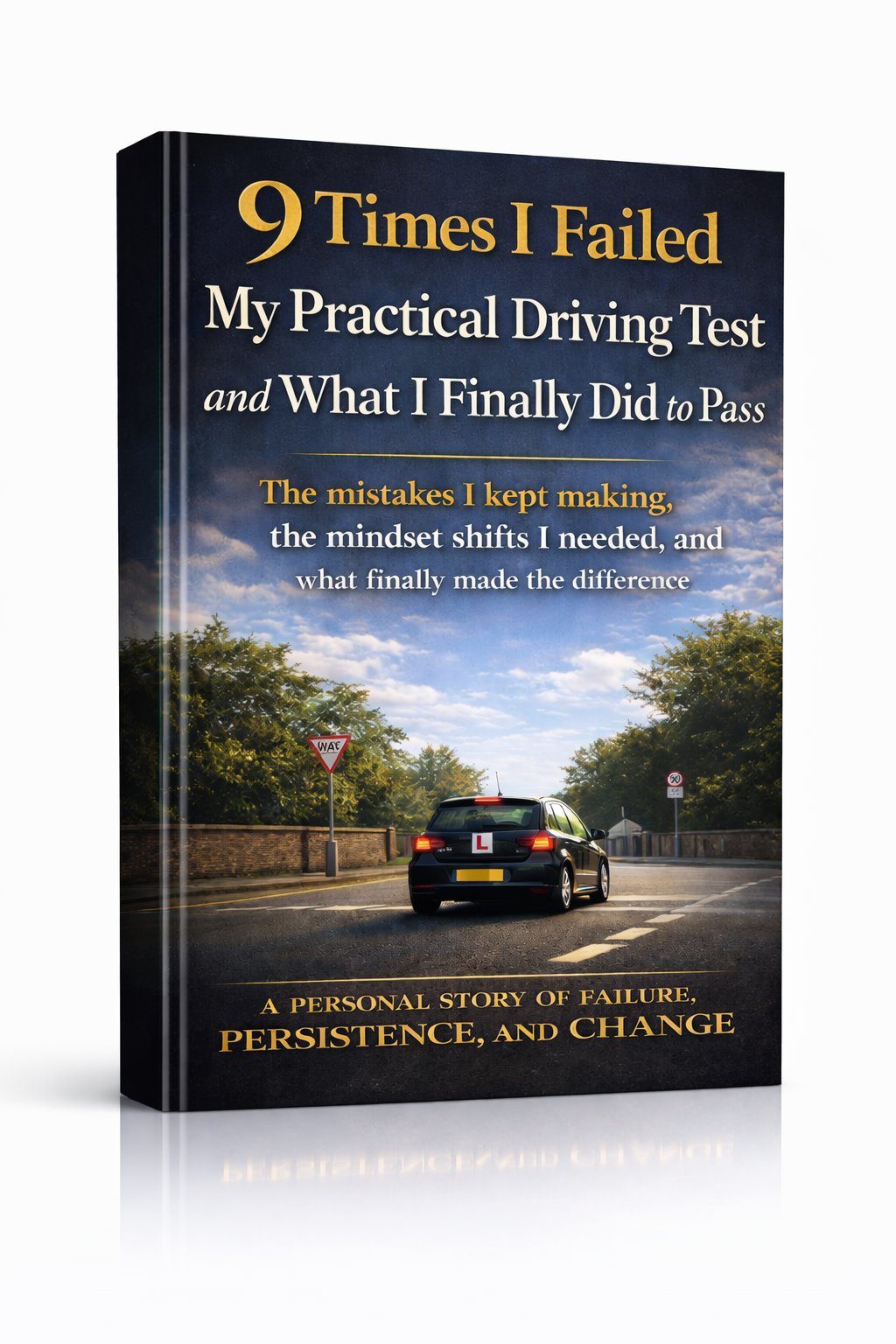
Anyone preparing for the driving instructor part 1 test often wants clear answers before they book and revise. The problem is that official details can feel scattered, and many learners feel unsure about the format, pass mark, and best way to prepare. This guide explains what to expect, how the test works, and what you should focus on first.
Key Takeaways
- Part 1 is a theory and hazard perception test.
- You must pass both parts at the same sitting.
- Revision should cover rules, signs, and teaching knowledge.
- Official guidance comes from Gov.uk and DVSA materials.
- Early preparation can improve confidence and timing.
What is the driving instructor part 1 test?
The driving instructor part 1 test is the first qualifying step for anyone who wants to become an approved driving instructor in Great Britain. It checks your theory knowledge and hazard perception skills before you move on to the later parts of the process. You must pass it before you can continue your training route.
This test is aimed at potential ADIs, so it goes beyond the standard learner driver theory test. You need a strong grasp of road procedure, traffic signs, driving law, and the principles behind safe, responsible driving. This is directly relevant to driving instructor part 1 test.
If you want official eligibility and booking details, check Gov.uk. You can also read practical road safety guidance in the Highway Code alongside your revision plan.
According to Gov.uk, you must pass three qualifying tests to become an ADI, and Part 1 comes first.
How is the test structured?
The test has two sections, multiple-choice questions and hazard perception clips. You sit both parts during the same appointment, and you need to pass both to pass overall. That structure means preparation must cover knowledge recall and on-screen observation skills.
The multiple-choice section tests your understanding of topics such as the Highway Code, road signs, and instructional knowledge. The hazard perception section checks how quickly you can spot developing hazards, which is a key skill for any safe and effective instructor.
This is where many candidates lose marks, because they focus on facts and neglect timing practice. How Instructors Simulate Test Conditions For Learners
According to Gov.uk, the ADI Part 1 test includes 100 multiple-choice questions and 14 hazard perception video clips.
What should you revise first for the driving instructor part 1 test?
Start with the Highway Code, traffic signs, and core driving theory, then build into instructor-focused topics. For most people, a structured plan works better than random practice sessions. The driving instructor part 1 test rewards broad knowledge and steady revision more than last-minute cramming.
Begin with subjects you will see often in the question bank, such as road procedure, vulnerable road users, stopping distances, and vehicle control. After that, spend time on mock tests and hazard perception clips so you can improve speed, accuracy, and concentration.
It also helps to use official public guidance where relevant, especially if a question touches on health, rules, or legal responsibilities. For example, eyesight and fitness to drive advice may appear in wider theory learning, and the NHS offers useful background on driving eyesight standards.
According to the Highway Code on Gov.uk, road users should know and follow the rules, signs, and signals set out in the Code, which makes it a core revision source for the driving instructor part 1 test.
How hard is the driving instructor part 1 test?
Many people ask this because the test covers a wide range of theory topics, not just basic car driving knowledge. It feels hard if your revision is patchy, but it becomes manageable when you study the Highway Code, road signs, teaching knowledge, and hazard awareness in a steady routine.
The difficulty often comes from the breadth of the syllabus. You need to answer multiple-choice questions across areas such as the rules of the road, instructional techniques, and driver safety, so strong recall matters as much as general understanding.
A good way to reduce pressure is to revise from official sources first. Start with the official Highway Code guidance, then build your knowledge with sign recognition, mock tests, and weak-topic review.
According to Gov.uk, the ADI part 1 theory test includes 100 multiple-choice questions, and you must score at least 85 overall to pass, with at least 20 out of 25 in each of the four bands, which shows why balanced revision is essential. Show Me, Tell Me Questions Explained (With Practice Tips)
In practice, many trainees spend too long on favourite topics and ignore instructional techniques, which can cost marks across one band even when the total score looks strong.
How should I revise for the driving instructor part 1 test?
The best revision plan uses short, regular study sessions and plenty of mock questions. Focus on official material first, then test yourself often so you can spot weak areas before the real exam.
Begin with the Highway Code, road signs, and the core topics listed for approved driving instructor theory preparation. After that, rotate your revision between law, safe driving practice, teaching and learning methods, and hazard awareness to keep your knowledge balanced.
It helps to work in small blocks and review mistakes straight away. You can also support your wider road safety knowledge with the NHS driving eyesight rules, which link closely to fitness to drive and legal standards.
According to the NHS, you should be able to read a number plate from 20 metres, which makes eyesight rules a practical revision point for any driving instructor part 1 test candidate.
Expert insight.
What happens if I fail the driving instructor part 1 test?
If you fail, you can book another attempt, but you should review your score report before trying again. That report shows where you dropped marks, which helps you revise smarter instead of simply repeating the same study pattern.
Failing one attempt does not end your progress, but time and attempt limits matter. You should check the latest rules on becoming an approved driving instructor so you understand how many chances you have and how the process fits within your registration journey.
Use the setback as a diagnostic tool rather than a verdict on your ability. The Gov.uk ADI qualification guide explains the route clearly, and structured planning often makes the next sitting far more focused.
According to Gov.uk, you can attempt the ADI part 1 test as part of the qualifying process, but you must pass each stage within the allowed framework, which is why early review and rebooking strategy matter.
How should you balance speed and accuracy in the driving instructor part 1 test?
You need both, but accuracy should lead your strategy. The driving instructor part 1 test gives you enough time to think, so rushed answers usually create avoidable errors in hazard perception, road procedure and instructional technique. Strong candidates work at a steady pace, flag hard questions mentally, and protect concentration for the final third of the paper, where fatigue often affects judgement.
Many learners lose marks because they treat all questions as equal. In practice, a two-mark question built around a familiar Highway Code principle deserves quick confidence, while a wording-heavy question about professional practice needs slower reading and careful elimination of weak options.
A useful rhythm is to answer clear questions first, then spend your remaining time reviewing items where two responses looked plausible. This helps because the ADI part 1 test checks knowledge breadth, not just memory, so disciplined time use often beats last-minute cramming. For revision planning, see .
Where advanced candidates gain marks
Advanced candidates often separate legal fact from best practice. A question may include an option that sounds sensible, but if it conflicts with the Highway Code wording or DVSA expectations, it is still wrong, which is why using official materials matters. You can cross-check core rules through Highway Code and road safety guidance on Gov.uk.
There is also a concentration issue. The hazard perception element rewards prompt responses to developing hazards, but repeated clicking can score zero, so timing must stay controlled rather than frantic. Keeping your breathing calm and posture settled can reduce overreaction, and that aligns with wider NHS advice on managing stress.
Statistic: The ADI part 1 test contains 100 multiple-choice questions, and you need at least 85 overall to pass, with at least 20 out of 25 in each of the four subject areas.
Practical example: If you finish your first pass with 18 minutes left, use the final 10 minutes only on marked questions where you narrowed the answer to two options. Do not revisit every item, because that often turns correct answers into wrong ones.
What subtle mistakes cause well-prepared candidates to fail the driving instructor part 1 test?
The biggest problem is not lack of effort, it is revision that looks productive but does not match the exam. Candidates often memorise mock answers, skim weak areas and ignore how questions are phrased. That creates a false sense of readiness, especially when practice apps repeat similar wording. The test rewards understanding, legal accuracy and hazard judgement, so narrow revision leaves gaps that appear only under pressure.
One subtle mistake is overconfidence in existing driving experience. Being a safe motorist does not automatically mean you can answer training-standard questions on instructional methods, professional responsibilities or detailed rules that a learner driver may never need to know in depth.
Another issue is poor error analysis. If you simply note a low mock score and move on, you miss the pattern behind it. A better approach is to group mistakes into categories such as signage, vulnerable road users, teaching technique and hazard timing, then target the weakest category first. That method usually produces faster improvement than broad revision. You may also want to read 10 Common Mistakes New Drivers Make And How To Avoid Them.
Why wording traps matter
Questions often include near-correct answers. Words such as always, only and immediately can change the meaning enough to make an option wrong, even if the general idea sounds sensible. Reading the final few words twice can stop careless slips, especially when tired.
Test-day habits matter too. Poor sleep, too much caffeine and arriving late can reduce attention span, which then harms both multiple-choice judgement and hazard perception timing. The NHS recommends practical sleep routines and stress reduction steps that can help before an exam, and those habits can support sharper performance on the day. See NHS sleep advice for simple pre-test preparation.
Statistic: Because each of the four multiple-choice bands requires a minimum of 20 out of 25, a candidate can score 84 or even 85 overall and still fail if one band falls below the sectional pass mark.
Practical example: A learner scores 22, 21, 20 and 19 across the four bands in revision. Although the total looks close, the 19 shows a specific weakness, so the smartest next step is not another full mock, it is a focused session on that subject area until scores rise consistently above 20.
How does the driving instructor part 1 test fit into your wider ADI qualification plan?
The part 1 test should shape your whole qualification timetable, not sit in isolation. If you pass it efficiently, you create more room for part 2 driving ability and part 3 instructional training. If you delay, rebook badly or scrape through without solid knowledge, later stages become harder because your theory base is too weak. Smart candidates build a staged plan from the start and review deadlines after every attempt.
This matters because ADI qualification works within a regulated process. You need to understand booking windows, training costs, work planning and the pressure of progressing through each stage without wasting attempts. Official information on becoming an approved driving instructor is set out on Gov.uk’s ADI qualification guidance.
For some trainees, financial planning also matters. If you are reducing hours at work while preparing for tests, it helps to budget realistically and keep records of income and outgoings. General support on employment rights and workplace issues is available from Acas, while personal budgeting help can be found through Citizens Advice budgeting guidance. Related reading: .
Plan beyond the first pass
A strong part
| Option | Best For | Cost |
|---|---|---|
| ADI Part 1 test fee, DVSA | Booking the official qualifying exam | £81 |
| Official DVSA Theory Test Kit app | Learners who want official revision questions and hazard clips | About £14.99 |
| The Official Highway Code | Refreshing road rules, signs and legal updates | About £4.99 |
| Road Signs flashcards or guide | Anyone weak on traffic signs and markings | About £5 to £10 |
| Structured ADI Part 1 online course | People who prefer tutor-led study plans and mock tests | About £30 to £100 |
Frequently Asked Questions
How hard is the driving instructor part 1 test?
Most candidates find it harder than the standard learner theory test because the pass marks are higher and the questions expect stronger knowledge of teaching-related road safety. It becomes much more manageable when you revise little and often, use mock tests, and work on hazard perception timing instead of relying on last-minute cramming.
What is the pass mark for ADI part 1?
You need to score highly in both parts of the exam, not just overall. For the most accurate and current rules, check the official Gov.uk guide to becoming a driving instructor, as DVSA requirements can change and you must meet every section standard to pass.
How many times can you take the ADI part 1 test?
You can usually attempt each qualifying test up to three times as part of the ADI process. That limit makes planning important, especially if you are paying for study materials, travel and exam fees alongside work or family costs, so build in time for proper revision before each booking.
How long should I revise for the driving instructor part 1 test?
Many people need between four and eight weeks of steady revision, but your timeline depends on how fresh your Highway Code knowledge is and how confident you feel with hazard perception. A better approach is to study in short daily sessions, track weak areas, and sit full mock tests each week to measure improvement.
Where can I book the ADI part 1 test?
You should book through the official government service rather than through third-party sites. Use the booking information on Gov.uk, then keep your confirmation details safe, check your test centre location early, and arrive with the correct identification to avoid losing your fee on the day.
Our editorial team writes about driver training qualifications, test preparation and UK regulatory guidance using current DVSA and Gov.uk source material.
📖 Related Articles
Final Thoughts
A strong finish starts with a clear plan, and that is the best way to approach the driving instructor part 1 test. Focus on three actions, learn the theory to a high standard, practise hazard perception under timed conditions, and book only when your mock scores are consistently strong.
Your next step is simple, check the latest eligibility and booking guidance on Gov.uk, choose a test date, and build a weekly revision schedule today. If you need help managing costs while you train, Citizens Advice also offers useful support on budgeting and money planning.
📚 You May Also Like

May 19, 2026

May 19, 2026

May 19, 2026