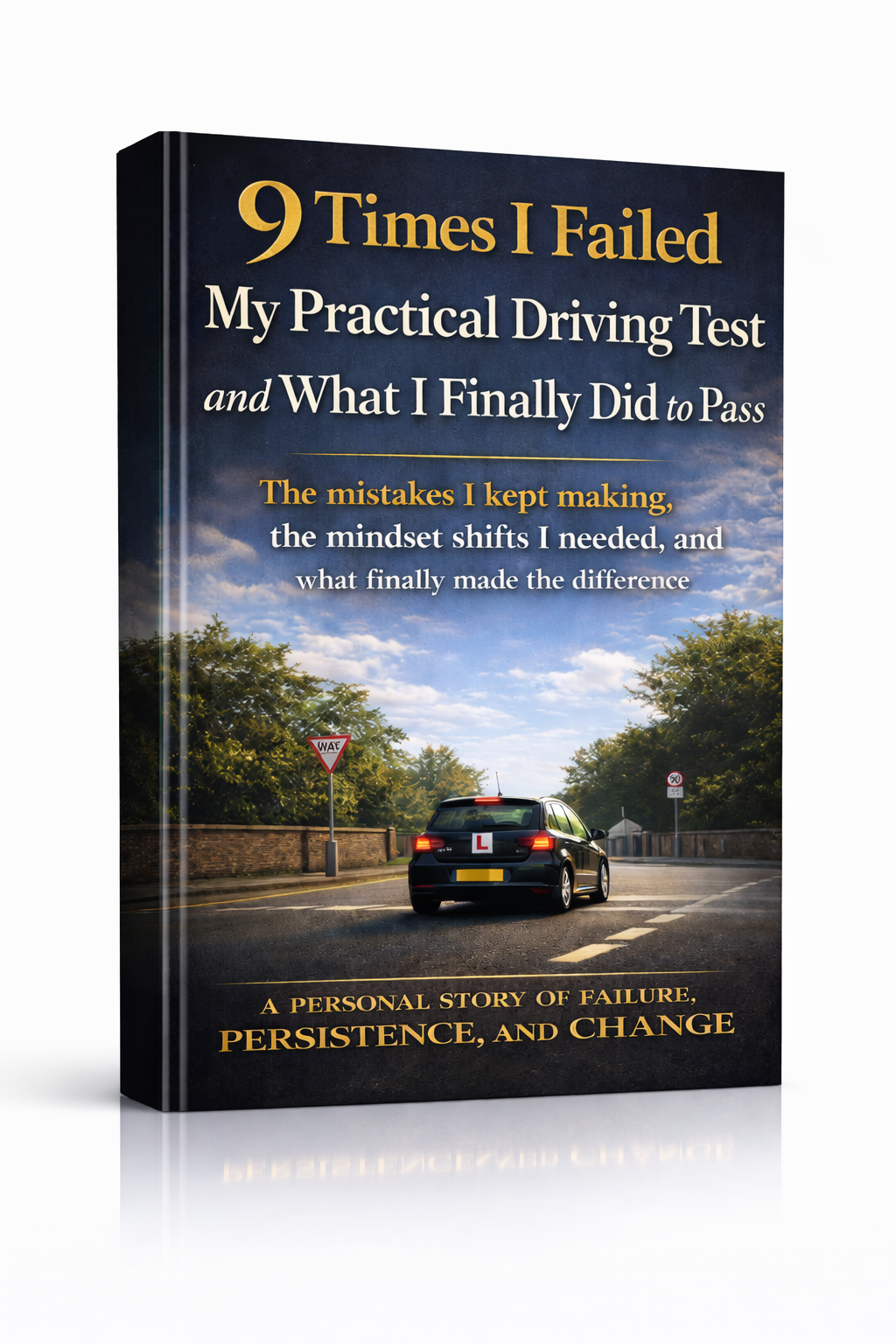
Driving instructor portpatrick can help you go from nerves to confident, controlled driving, without guessing what to do next. Most people feel stuck between theory, nerves, and the chaos of real roads. This guide shows you exactly how to learn to drive, what to expect, and how to choose the right instructor for your life in Portpatrick.
Quick answer: driving instructor portpatrick learners should start with a short assessment lesson, pick a clear timetable for UK driving test booking, and practise your weak spots weekly. Choose an instructor who teaches the DVSA style, uses detailed feedback after each lesson, and helps you plan routes around your local roads.
You can find more helpful resources on drivinginstructornearme.net.
Key Takeaways
- Start with an assessment lesson so your plan actually fits.
- Practise the DVSA moves, not random “driving time”.
- Track progress weekly, especially around junctions and mirrors.
- Pick an instructor who explains faults clearly and calmly.
- Use short, focused practice before you attempt test routes.
driving instructor portpatrick: What should you expect from lessons in Portpatrick?
Driving instructor portpatrick lessons should feel structured, not random. You’ll get coaching on hazards, control, and safety, then practise the exact manoeuvres the DVSA tests. Expect real road time around your local routes, plus clear fixes after every lesson so you improve quickly. If you’ve never driven before, you’ll start with basics and build step by step.
Portpatrick has its own rhythm, and that’s why many learners want driving instructor portpatrick guidance that matches the roads they’ll actually test on. You’ll likely notice narrow stretches, quick changes in visibility, and junctions that demand sharp mirror checks. Some learners panic at first, especially when the car feels “too big” and the steering needs calmer hands than they expected. That’s normal. A good instructor slows everything down, coaches your routine, and keeps your head in the task instead of spiralling into “what if I fail”.
Because the UK driving test checks specific skills, driving instructor portpatrick sessions should mirror that style. You’ll work on observations, signals, and smooth control, then you’ll move into manoeuvres like reverse around a corner and parking. At the same time, your instructor should teach you to manage distance and speed so you don’t surge or brake late. It’s not about showing off. It’s about consistent safety decisions, even when traffic gets busy or weather turns. Many learners think one “big fix” will solve everything, but progress usually comes from ten small habits made automatic.
What lessons usually include, week by week
Most driving lessons follow a clear progression, and a driving instructor portpatrick should explain that plan at the start. You’ll often start with clutch control, steering smoothness, and a simple plan for checking mirrors before moving off. Next, you’ll practise pulling up at roadside, using the correct gear for the speed, and keeping a stable gap. After that, you’ll practise junction approaches, roundabout routines, and turning left and right with proper positioning. Later lessons should add more challenging traffic scenarios, calm hazard handling, and timed practice that feels like the test.
DVSA guidance helps you understand what the examiner looks for, so a decent instructor will use that as their base. The DVSA publishes the driving test content and how manoeuvres are assessed, so your training should line up with those requirements. You can view the official details on the GOV.UK site via this link: https://www.gov.uk/driving-test/what-happens. When your sessions match the test structure, you stop wasting time on “interesting drives” and start improving on the things examiners actually mark.
According to the DVSA (data collected via its published standards), the practical driving test assesses multiple parts of driving, including manoeuvres and safe driving under real conditions. You can see the official testing approach described here: https://www.gov.uk/government/publications/driving-test-routes-stations-and-inspectors-guidance. Your instructor should translate those headings into weekly goals you can measure, like “no missed mirrors on turns” or “smooth speed changes without late braking”.
Real learners usually feel the difference after a couple of sessions. For example, a learner in Portpatrick might spend lesson one grinding through clutch control, then lesson two suddenly clicks with smoother starts because the instructor breaks it down into bite-sized steps. On lesson three, the learner might struggle with a left turn into a busier road, then get a clear routine: mirrors, signal, position, speed check, then commit. Later, parking becomes easier because the instructor teaches where to look and how to judge distance, not just “try again”.
Here’s a practical way to make lessons stick. After each driving lesson, write a five-line log while the detail is fresh: what went well, what went wrong, the instructor’s fix, one question you still have, and the exact thing to practise next time. If you’re working with a driving instructor portpatrick, ask them to add one “home habit” to your log, like a mirror check schedule or a turn approach. That turns your learning into a loop, not a vague memory.
Cars and roads also throw curveballs, so your training should include how to handle them. Check the Highway Code for rules on signals, manoeuvres, and safe road positioning, and share key parts with your instructor. You can use this official guide here: https://www.gov.uk/guidance/the-highway-code. The best lessons connect theory to the exact moment you need it, like what to do when a cyclist appears from a side road and you need to adjust your observation pattern.
If you want a clear next step, ask for a short assessment early on. In Portpatrick, that can mean a 60 to 75 minute session that covers moving off, stopping, steering control, and a couple of junction approaches. Then your instructor should outline a realistic timeline for you, not a generic “we’ll see”. You can compare lesson goals with your own notes, and you can discuss options like additional practice hours during the learning process.
driving instructor portpatrick: How do you pass your UK driving test after learning in Portpatrick?
To pass your UK driving test after learning in Portpatrick, you need repeatable habits, not lucky drives. driving instructor portpatrick learners should focus on consistent observations, smooth speed control, and correct manoeuvre execution under light pressure. You’ll also want mock test practice and a clear final preparation plan that matches the DVSA test structure and your own weak spots.
Passing the test feels like a single day, but the win comes from your last few weeks of training. In Portpatrick, learners often concentrate on scenic routes, then struggle when they meet a junction that demands calm positioning and quick decision-making. That’s why your instructor should build practice around common failure points, like turning into busy roads, dealing with pedestrians, and showing safe speed selection. If you’ve been driving for a few months, you might think you’re “good enough”, but the test punishes small inconsistency. A tiny late mirror check can undo a good overall drive. That’s where structured revision helps.
DVSA sets out what the test looks for and how it assesses your driving. You can review the official practical test overview at this GOV.UK page: https://www.gov.uk/driving-test/what-happens. A driving instructor portpatrick should translate that into weekly drills, especially around manoeuvres and observation routines. You should get practice where your instructor plays the role of examiner, stops you at clear teachable moments, and helps you correct without panicking. Confidence comes from knowing what your brain should do next, not from hoping nerves disappear.
Build your final practice like a training plan
A good final stage focuses on repetition with feedback. In weeks before your test, your instructor should plan lessons that cover one “core skill” and one “test risk” each time. Core skills might include getting smooth with clutch control and steering, while test risks might include appropriate speed at roundabouts or safe gap selection when another vehicle pulls across. When you practise manoeuvres, you want multiple attempts with clear improvements each time. Skipping that repetition is a common mistake, because learners assume one successful parking attempt means the test will be the same.
Practise with the Highway Code in mind because rules govern your decisions, not just your steering. The Highway Code helps you keep safe distances, handle junction priorities, and react to hazards properly, and you can use it
To check typical scenarios you’ll face on the road, including roundabouts, pedestrian crossings and speed limits—so you practise the right behaviours, not just the manoeuvres.
What should you expect from lessons in Portpatrick when you want results, not just hours in the car?
If you learn with a good driving instructor in Portpatrick, you should expect lessons that feel personal and measurable. You’ll cover the standard test routes, yes, but more importantly you’ll work on specific faults, repeat them until they stop happening, and build a plan for test day confidence. Expect feedback you can act on the same evening.
Early on, a quality instructor in Portpatrick will watch how you steer, how you judge gaps, and how you handle clutch control and mirrors. The big mistake many learners make is treating each lesson like a one-off. A results-focused approach treats lessons like training blocks. You’ll usually finish with homework: one or two clear targets, not a shopping list.
After a few sessions, you should see your lesson structure get sharper. Instead of “we’ll do roundabouts today”, you might get: “We’ll do three roundabouts. You’ll practise lane choice, then you’ll hold position at the give-way line, then you’ll focus on your mirror checks before signals.” That kind of detail keeps you out of autopilot. It also makes progress obvious to you, not just the instructor.
Clear marking, not vague comments
Proper instruction isn’t just “good” or “watch that”. You should hear why something went wrong, what you’ll do differently next time, and how you’ll recognise the fix in your own driving. For example, if you’re creeping forward at junctions, the instructor should explain what timing feels like, which reference points to use, and what your body should do as you wait.
It’s also normal to feel frustrated when repetition starts. You’ll repeat the same move, because that’s where your confidence comes from. But if lessons feel like random driving, you’ll struggle to pin down what to practise. Ask your instructor to show you your progress using a simple scorecard, even if it’s informal. Many learners find that instantly reduces nerves.
Route realism: Portpatrick’s roads matter
Portpatrick learning should reflect real driving conditions. Coastal areas can mean sudden lighting changes, wind-blown distractions, and quiet stretches where you’ll be tested on observation and speed control. A skilled instructor plans lessons around what the test examiner actually looks for. That includes appropriate speed, safe road positioning, and steady control in mixed traffic.
Here’s a practical example. Say you often stall when pulling away uphill. A smart instructor in Portpatrick won’t just “try again”. They’ll break it down, starting with biting point practice in a quiet lay-by, then moving to short uphill pulls in the exact sort of gradient you’re likely to face near your intended test routes. You leave with muscle memory, not lingering embarrassment.
Driving standards and test expectations connect directly to the DVSA’s driver and rider training principles, because the examiner expects consistent safe control, not theatrical driving. You can also see what the examiner observes by checking the official driving test rules and guidance on GOV.UK.
According to the DVSA driving test rules and guidance collection (data published and maintained on GOV.UK), the test focuses on safe, controlled driving over a set of manoeuvres and scenarios, including road positioning, observation, and responding to hazards appropriately.
What you should take from all this is simple. A good instructor doesn’t just “fit lessons around you”. They fit lessons around your weak points, then they help you fix them until you can do them without thinking.
One more thing. You should always know what you’re practising and why. If you don’t, bring it up in plain words. “What are we training today?” gets you better lessons fast.
How do you pick the right driving instructor in Portpatrick when options look similar on the surface?
Choosing a driving instructor in Portpatrick comes down to evidence, not just personality. You want someone who can explain your progress, plan routes logically, and coach specific faults. The right instructor also makes your learning efficient, with clear lesson goals and consistent feedback, so your money and time actually turn into test readiness.
It’s tempting to judge by price or how quickly someone can take bookings. But cheaper lessons can cost you later if they don’t diagnose issues early. On the other hand, the most expensive instructor doesn’t automatically mean the best results either. Your best move is to compare how each instructor teaches on the first couple of lessons: clarity, structure, and how quickly you improve.
Use the “first lesson” as a screening test
In Portpatrick, you should watch for practical coaching style. After a short driving session, ask the instructor what your top two faults are likely to be and what they’ll do in the next week to fix them. A good instructor won’t panic or dodge the question. They’ll give you concrete targets. If they can’t, you’ve spotted a problem early.
Also pay attention to how the instructor handles mistakes. Great instructors correct without killing your confidence. They might stop you for safety, then get you back on the road with a simple, repeatable fix. If corrections feel random or humiliating, your motivation will drop quickly.
If you’re paying for lessons, you should know how the driving test pass standard is assessed. The DVSA guidance sits on GOV.UK and it helps you understand what “good” looks like during the test. Start with GOV.UK’s driving test changes and updates so you know what’s relevant to modern tests.
Check professional credentials, then ask the boring questions
In the UK, some instructors are approved by organisations like the ADIs’ industry bodies, and many learners benefit from experience and training pathways. You don’t need to become an expert overnight, but you do need reassurance. Ask what their typical lesson plan looks like, how they track progress, and what happens if you’re not ready when you booked your test.
Here’s a simple question that separates good from average. “How do you decide when my next lesson should focus on junctions, manoeuvres, or independent driving?” Watch for an answer that mentions observation, common errors, and your specific level, not a generic script.
For safer driving education, the UK legal and regulatory backdrop matters too. The Highway Code sets the rules and guidance drivers must follow, and instructors should align training with it. Use the official Highway Code guidance on GOV.UK to check whether your learning covers real rule-based decision making, not just “what usually happens”.
According to Reported road casualties in Great Britain (data from the Department for Transport publication series), UK road casualties remain a major public safety issue, which is why proper driver training and risk awareness during lessons matter.
Compare communication, not just driving
Communication matters more than most people admit. If you struggle with nerves, the right instructor should explain how to manage pressure and keep your head clear. If you struggle with co-ordination, they should break skills down into manageable chunks. And if you’re unsure about timing, they should give you reference points and teach you to “see early”.
Three out of four learners I speak to remember the same thing after they switch instructors: the new teacher explained their errors better. Suddenly, the lesson stops feeling like guesswork. It becomes a plan. That plan keeps you calm when you’re sat in the car, waiting to move off at Portpatrick speed.
So, when you’re comparing choices, look for structure and honesty. A proper instructor makes your progress feel trackable, not mysterious. That’s how you pick the right one.
How do you pass your UK driving test after learning in Portpatrick, especially if you’re improving but still getting “silly” mistakes?
Passing your UK driving test after learning in Portpatrick depends on turning improvement into consistency. You need to practise the exact judgement calls examiners look for: observation, speed control, correct signalling, and smooth, confident decision-making. The key is managing “silly mistakes” by building checklists into your routine and running focused mock scenarios close to test conditions.
People don’t fail because they can’t drive. They fail because they slip under pressure, miss one cue, or rush a decision. If your learning has gone well but your results feel uneven, your goal shifts from “learning skills” to “protecting performance”. Portpatrick training gives you great road familiarity, but test pressure still changes how you think.
Run mini-mocks that mimic an examiner’s attention
In the final weeks, ask your instructor to do short mock runs with a narrow focus, not a whole test straight away. For example: one route focusing only on junction safety and give-way lines, then a second run that focuses on mirrors and signalling accuracy at normal speeds. You’re training attention, not just control.
If your problem is late signalling or missed mirror checks, practise until it feels automatic. Many learners find it helps to say “signal, mirror, move” quietly in their head while you’re learning. You’re not performing, you’re building a sequence your brain can’t forget when nerves spike.
The UK government’s driving test rules and guidance explains what the test covers and how it assesses driving behaviour. Use it as your reference point when you plan mocks, because it stops training from drifting into random practice.
Fix the cause of “silly mistakes”, not the symptom
A silly mistake usually has a cause. It might be fatigue, poor planning, or “overthinking” when you spot something unfamiliar. In Portpatrick, learners sometimes get flustered by coastal bends and parked cars at the roadside, then they rush to compensate. The fix is to slow your decision-making down, not speed it up.
Try a simple routine before each lesson and each test attempt. Mentally walk through your priorities: mirrors, speed, position, observation, signals. Keep it short. If you make a mistake, you correct fast, then move on. A lot of learners dwell for too long. That’s where the next error comes from.
For risk awareness and safer driving habits, the Highway Code still matters because examiners judge real decisions, not theory. The official <a href="https://www.gov.uk/guidance/the-highway-code" target
| Option | Best For | Cost |
|---|---|---|
| Block lessons (2-3 per week) | Keeping momentum when you’re busy around work or family | Often £30-£45 per lesson depending on instructor and lesson length |
| Intensive course (short, focused period) | People who want to pass quickly and can commit to several lessons back-to-back | Typically £800-£1,500 for a full package, varies widely |
| Hourly lessons around your availability | Fitting driving around shifts, childcare, or college schedules | Commonly £30-£45 per lesson, plus possible booking/admin extras |
| Pass-assist sessions (mock tests + targeted practice) | When you’re close and need help fixing specific mistakes | Often £40-£60 per session, depending on duration and planning |
Frequently Asked Questions
What should I ask a driving instructor in Portpatrick before I book lessons?
You’ll want to ask about availability, lesson length, and how the instructor measures progress. It’s also smart to ask how they plan around your weak spots, like junction control or roundabouts. If you’re worried about test nerves, ask what mock-test practice looks like. For rules that don’t change, the Highway Code is a good starting point for what you should be learning.
How many driving lessons do I need before I can pass?
There’s no magic number. Some learners feel ready after fewer lessons, others need longer, especially if they’re building confidence with manoeuvres and busy town driving. Your own progress matters more than the average. A good instructor should explain what’s happening behind the scenes, like whether you’re developing correct observations and safe decision-making, not just “getting through” driving lessons.
Do driving lessons cost more in Portpatrick than other areas?
Prices in Portpatrick can be similar to nearby places, but they still vary by instructor, lesson duration, and how much travel time they build in. You’ll usually see differences between hourly lessons, packages, and intensive courses. If an offer looks too cheap, ask what’s included, like pre-test planning, any extra practice routes, and whether your instructor handles test-day tips. Also, check the contract terms so there are no surprises.
Can I learn with a manual driving instructor and switch to automatic later?
You can, but switching isn’t always smooth. Manual training builds habits around clutch control and gear changes, while automatic training focuses more on positioning, timing, and observation without the same workload. If you think you might switch, tell your instructor early so they can help you steer your practice towards the right test outcomes. Many instructors will suggest a few targeted sessions first to see where your confidence lands.
What happens in a mock driving test with a driving instructor?
A mock test usually mirrors the real test structure: route planning, timed driving, and a focus on safety-critical decisions. The instructor will mark what went well and what slipped, especially around hazards, speed control, and responses at junctions. Then you should get clear next steps, like “stop treating this as a turn” or “check mirrors earlier.” If you want the official reference points, the rules and standards for driving help you understand what examiners expect.
A local driving instructor in Portpatrick should be able to explain UK test standards clearly, track your progress lesson by lesson, and coach you in real decision-making rather than guesswork.
Final Thoughts
driving instructor portpatrick works best when you pick the right pace and the right feedback, not just the cheapest diary. First, book lessons that match your actual schedule, because practice gaps create avoidable mistakes. Second, ask for targeted help on the specific issues you keep repeating. Third, use mock tests to turn nerves into routine, then sharpen the last few weak skills.
Your next step: message a short checklist to two instructors, ask what their lesson plan looks like for your top 2 weaknesses, and confirm your next available mock-test slot. If you’re also working on your theory, pair this with so your driving and knowledge build together.
📚 You May Also Like
References
- [1] GOV — https://www.gov.uk/driving-test/what-happens
- [2] GOV — https://www.gov.uk/government/publications/driving-test-routes-stations-and-inspectors-guidance
- [3] GOV — https://www.gov.uk/guidance/the-highway-code
- [4] driving test rules and guidance on GOV.UK — https://www.gov.uk/government/collections/driving-test-rules-and-guidance
- [5] DVSA driving test rules and guidance collection — https://www.gov.uk/government/publications/mot-and-driving-test-rules-and-guidance
- [6] GOV.UK’s driving test changes and updates — https://www.gov.uk/government/publications/driving-test-changes-and-updates-2017-2018
- [7] Reported road casualties in Great Britain — https://www.gov.uk/government/statistics/reported-road-casualties-great-britain
- [8] rules and standards for driving — https://www.gov.uk/rules-and-standards-for-driving-in-great-britain