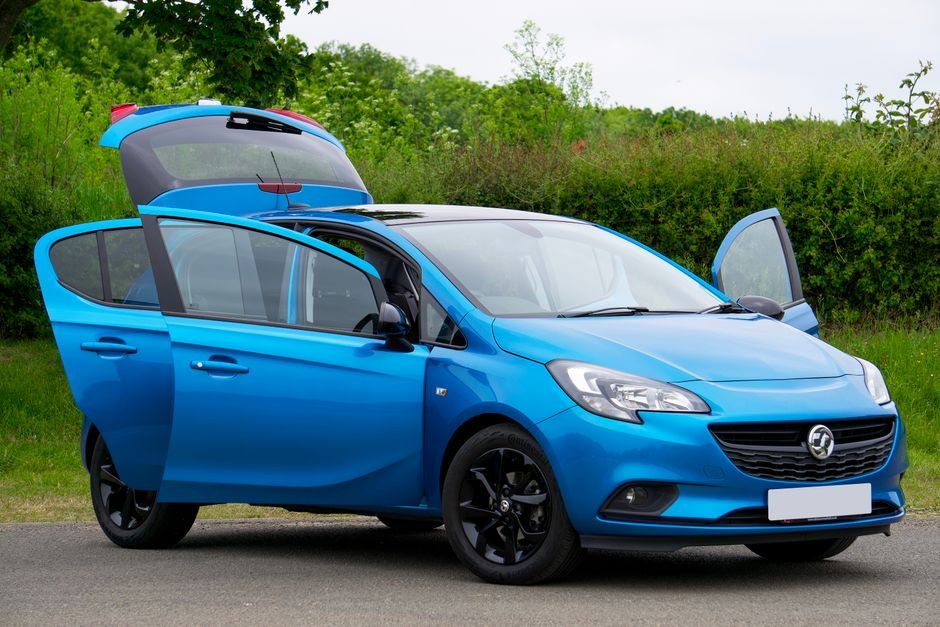
Driving instructor sanquhar is what people search when they want a calm, practical way to pass their test. You might be stuck with lessons that feel rushed, or you keep failing the same manoeuvre, and it knocks your confidence. This guide helps you choose the right instructor in Sanquhar, plan your learning properly, and drive with real control.
Quick answer: driving instructor sanquhar learners should look for local, patient teaching, a clear plan to cover hazard perception and the hard manoeuvres, and regular feedback after each lesson. Book an initial assessment lesson, ask for a realistic test timeline, and track weak spots like junction entries and reversing.
You can find more helpful resources on drivinginstructornearme.net.
Key Takeaways
- Pick an instructor who matches your pace, not their timetable
- Ask for a driving plan, not just “we’ll see how it goes”
- Practise junctions and reversing early, before nerves take over
- Track cancellations and lesson lengths so costs stay predictable
- Use feedback after each drive to fix one thing at a time
driving instructor sanquhar: Choosing a driving instructor in Sanquhar
Driving instructor sanquhar support starts with one simple goal, getting you driving safely while building confidence for the test. If you’ve had lessons that feel chaotic, you’re not alone. The right instructor makes lessons structured, gives clear feedback, and helps you tackle the exact skills that examiners look for.
Choosing a driving instructor in Sanquhar can feel oddly personal. You’re spending two hours with someone who’s sitting next to you, watching your every decision, and you want to feel comfortable enough to make mistakes. That’s the real starting line. Ask yourself how you learn best. Some learners need short, repeated drills, like pulling over neatly and restarting smoothly. Others need reassurance and a calm walkthrough after each road section. The best driving instructor sanquhar for you matches your learning style and keeps you moving forward.
But don’t just judge by personality on the first chat. The practical stuff matters just as much. A good instructor will explain what they’ll cover this week, how they’ll measure progress, and what you should practise between lessons. They’ll also be honest about your starting point, not sweet-talk you. If you freeze at roundabouts, they’ll plan roundabout time. If you creep at junctions, they’ll plan junction entry and exit practice. That structure beats random “let’s drive and see” every time.
Early on, check how your instructor talks about the test. The examiner marks driving faults across observation, manoeuvres, control and safety. In the UK, the DVSA sets out how the driving test works, so you can compare what your instructor says with the official approach. DVSA’s guidance is there for a reason, it keeps teaching aligned with what actually gets assessed. You can read the current overview of the practical test here: https://www.gov.uk/driving-test.
Three out of four learners I speak to worry about the “big” things, like parallel parking or hill starts, when the quieter habits cause most fails. Late observations, hesitation at junctions, and poor positioning before turns show up again and again. That’s why a proper teaching plan matters. A strong driving instructor sanquhar will build routines. They’ll get you checking mirrors early, scanning at junctions, and making decisions with confidence. Then the manoeuvres start to feel like a natural extension, not a sudden scary event.
How to tell if the instructor is a good fit
driving instructor sanquhar choices usually come down to three signals, clarity, consistency and calm correction. Clarity means you leave the lesson knowing exactly what to improve. Consistency means your instructor teaches the same core method every time, so you stop confusing yourself. Calm correction means the feedback doesn’t shrink your confidence, it sharpens your focus for the next try.
Start with an initial assessment. A solid first lesson isn’t a long chat, it’s a short diagnostic drive. You should expect your instructor to watch how you steer, how you set up for turns, and how you respond to changing road conditions. They should then give a simple plan. One plan I like looks like this: focus on road positioning this week, then improve observations at junctions, then add reversing practice once you handle the basics without stress. Ask directly how many lessons they think you’ll need and why.
Next, ask how they handle weak points. If you struggle with the same manoeuvre twice, do they repeat the drill or do they move on anyway? In most cases, the best instructors drill the exact issue until you can do it with less thinking. They might also use a “one improvement per lesson” rule, because piling everything on at once makes learners tense. That’s how you build control without drowning in correction. The examiner wants safety and competence, not panic and guesswork.
Now, about progress and data. You can’t turn driving into spreadsheets, but you can track what goes wrong. Keep a quick note after each lesson: “wobbled at roundabout entry”, “late mirror checks”, “overshot during pull-in”. That log helps your instructor target. If you want official info on driving standards and behaviour expectations, read the UK’s guidance on learning to drive and the driving test process via https://www.gov.uk/learner-driver-allowance for eligibility and learning structure, and https://www.gov.uk/driving-lessons-theory-test for what to cover along the way.
Finally, check professionalism. You want clear availability, proper booking and sensible rescheduling. You also want a policy for cancellations written down, not guessed at. Ask about lesson length, like 60 or 90 minutes, and whether they recommend additional practice. A local instructor who knows roads around Sanquhar should also tell you which areas are helpful for building confidence, because route variety reduces the “I only pass on that exact road” problem.
Statistic to keep things real
Driving lessons and test preparation often take longer than people expect. According to the DVSA 2023 analysis of driving test statistics, https://www.gov.uk/government/collections/driving-test-statistics shows how pass rates vary by learner type and test centre. That matters, because your instructor should plan around your situation, not just generic averages.
If you’re wondering whether to trust averages, here’s the honest answer. Averages can’t see your nerves, your habit of looking late, or your reluctance to make decisions. A good driving instructor sanquhar uses your observed driving to set a realistic route to a pass. They’ll talk about your weak spots, then they’ll build enough repetition for those spots to stop being “surprises”.
Concrete example: your Tuesday afternoon in Sanquhar
Imagine a Tuesday afternoon, you’ve booked your first assessment lesson and you’re convinced you “just need more practice”. You drive out of Sanquhar, approach a junction and your instructor notices you don’t check mirrors early enough before filtering your way across. You also notice your hands tense when you slow down. The instructor might choose a route with the same junction type a few times, so you practise observation before decision. That’s not boring, it’s focused. By the end of the lesson, your instructor gives you one clear target, “mirror check earlier, then move confidently.”
Then you do it again on the next drive. If your instructor still treats each lesson as a random drive, you’ll keep looping the same problem. If your instructor sets a plan, you’ll feel progress. That feeling matters. Confidence comes from evidence, not positive talk. Your log might show, “junction entry smoother” after two lessons, then reversing becomes less scary later because your brain already trusts the basics.
Practical tip: what to ask on your first call
- “What do you assess in the first lesson, steering, observations, or manoeuvres?”
- “How do you decide your lesson plan after my assessment?”
- “Which skills do learners usually struggle with locally, and what do you practise first?”
- “Do you offer written feedback, or a quick note after each drive?”
If you want to get straight to the point, ask about structure and feedback. A driving instructor sanquhar who can explain their teaching approach clearly on the phone usually teaches that way on the road. You don’t need fancy sales talk, you need a method, and a calm plan that makes your next lesson feel predictable.
Real question people ask?
“How do I actually get ready for my driving test in Sanquhar?” is usually the real question. You don’t need to drive perfectly every day. You need reps that match the test: routine manoeuvres, safe responses under pressure, and the confidence to keep calm when something unexpected happens.
In practice, the fastest improvements come when your lessons stop being random “general driving” and start targeting specific decision moments. For example, many learner drivers miss the same thing repeatedly: checking mirrors late, hesitating at side roads, or rolling forward when the junction feels tight. A good instructor will spot patterns early, then build them into a weekly plan you can follow.
Structure matters. Your lessons should gradually increase difficulty, but you shouldn’t feel like you’re being thrown into the deep end every time. A typical progression looks like this: set routes, then time pressure, then test-style prompts. That rhythm builds muscle memory for observations and control. And yes, you can still keep it relaxed, because nerves drop when you know what’s coming.
Test-style practice you can repeat
Test routes vary, but the skills don’t. You’ll still need clear observations, smooth control, and sensible speed choices. So your practice should look like the test, not like a driving tour. Ask your instructor to plan lessons around common tasks: pull-outs, roundabouts, emergency stops, controlled stops at the side, and proper manoeuvre set-up and finish.
Because confidence often collapses at the worst moments, your lesson should include “what if” scenarios you can rehearse safely. What if a car pulls out from a driveway? What if a bus blocks your view? What if another driver accelerates as you’re judging the gap? Skilled instructors teach you to drive the situation, not the other vehicle. That’s what keeps you safe, and it’s what the examiner looks for.
Here’s the part people don’t hear enough: test nerves don’t mean you’re a bad driver. Nerves mean your brain cares. So you handle them with routines. For example, before you move off, you can run the same checks every time. Consistency reduces panic, and panic is what causes rushed mirrors and late decisions.
For safety and exam readiness, the DVSA sets out what you’re assessed on. According to the DVSA’s driving test overview, the examiner checks driving ability through everyday manoeuvres and safe observation throughout the test.
One mistake I see with driving instructor Sanquhar learners is “over-correcting”, where the student panics after a wobble and then drives stiff and tense. Smooth control beats dramatic corrections, every time.
Practical example: if your instructor says, “You keep creeping at junctions,” don’t just practise that junction once. Practise ten pull-outs in a row on the same type of side road, then add a mild twist, like changing speed or stopping distance. You train accuracy, not luck.
Driving lessons in Sanquhar: what to expect and how to progress
Driving lessons in Sanquhar should feel like progress, not like random time behind the wheel. You’ll normally start with basic control, then move into traffic, junction routines, and manoeuvres, while your instructor builds clear feedback you can act on between lessons.
Don’t underestimate how much “expectations” matter. If you walk in thinking each lesson should fix everything, you’ll feel frustrated fast. Better approach: pick one focus for the week. Maybe it’s getting better at mirror checks before changing lanes, or staying calm when traffic thickens. Once you nail that, you add the next skill. That’s how you stop feeling like you’re always starting over.
Also, ask about lesson length and frequency, because the right rhythm makes learning stick. Some learners absorb more with two shorter lessons a week, others do better with one longer session, followed by quiet practice with a family member. It depends on your schedule and your confidence. If you can only do one lesson, you’ll likely need more structured homework, like practising junction planning rather than just driving.
How progress should look lesson to lesson
Progress should show up in small, concrete changes. Your instructor should be able to tell you, “Your observations came on time,” or “Your speed choices matched the road,” not just “You improved.” With structured lessons, you can measure improvement: fewer hesitations, smoother manoeuvres, fewer late checks, and more consistent positioning.
Because manoeuvres can feel clunky, your instructor should teach set-up properly. For a three-point turn, for example, you’re not just reversing randomly until it works. You’re planning space, checking mirrors, choosing steering angles deliberately, then finishing with the vehicle straight and under control. The examiner and real-world driving both reward that discipline.
Here’s a counterintuitive thing: “more practice” isn’t always the answer. If your lessons get longer but your feedback stays vague, you can actually slow down learning. Clear correction, repetition, and then a little variation beat endless driving around the same roads.
What to do between lessons
Between lessons, keep things simple. If you have a family car outing lined up, agree a mini-aim first, like five controlled stop exercises at a safe location or practising mirror checks before every planned move. If you don’t have access to a car, you can still practise planning. Sit down with the roads you’ll likely face, and talk through what you’ll do at each junction.
For confidence work, build “calm habits” too. A lot of learner drivers hold their breath without realising it. That tension shows up in steering and braking. So during practice, remind yourself to relax your shoulders and keep breathing. It sounds small, but it changes how your car feels under you, and you’ll judge distances better.
When you’re building a routine for lesson progress, learner road safety matters. The Highway Code guidance and road rules provide a baseline for what correct behaviour looks like, and you can use those rules to keep your decisions consistent.
According to DVSA driving and theory test data, test success depends on meeting driving standards across the assessment, not just passing the test routes. The point for your learning plan is simple: practice decisions and safety consistently, not only manoeuvres.
Practical example: If your instructor says your roundabout approach is inconsistent, plan two weeks of focused work. In week one, nail approach speed and signalling. In week two, practise observation order and lane choice with the same roundabout route, then swap to a different roundabout type once it feels automatic.
Expert-level question people ask: “How do I make progress fast without burning out?”
Fast progress usually comes from targeted practice, not longer sessions. If you’re learning to drive in Sanquhar, you want a plan that spots your weak points early, then repeats them in the right place and under the right conditions. Burning out happens when lessons become random, or you drive through the same errors without feedback.
Most learners think confidence means “more time behind the wheel”. Here’s the twist, it usually means fewer repeats of the same mistake. Your instructor in Sanquhar should be able to tell you exactly what’s happening, like “your left mirror check is late” or “you’re braking too early into junctions”. When feedback gets specific, your next session has a job, not just a drive.
If your lessons feel heavy, it’s often because you’re learning everything at once. Try grouping skills by task: observation, speed control, mirrors, and safe positioning. Then stack lessons so each one builds on the last. For example, lesson one might focus on roundabouts and slowing decisions, lesson two focuses on left turns and timing, and lesson three brings them together with a short review at the start. That rhythm keeps your brain working, not overwhelmed.
Use a “stop, fix, repeat” structure
A good instructor won’t just correct you on the spot and move on. They’ll stop, explain the cause in plain English, show what “good” looks like, then run a short repetition. You’re looking for quick wins: sharper observation, calmer steering, better coasting, less last-moment braking. If corrections don’t lead to a visible improvement, ask for a different method, or ask your instructor to change where you practice the skill.
And yes, you still need a bit of variety. Driving isn’t a video game where one level trains everything. But variety without a target slows you down. If you’re practising in Sanquhar streets with lots of stop-start traffic, agree a plan like “three junctions, then one longer stretch, then back to junctions”. You get repetition where it matters, without turning every lesson into stop-and-start fatigue.
Mind your energy, not just your hours
Learning to drive burns attention. If you’re tired, your reactions get slower and your mirrors checks get lazy. Many learners hit this on a Tuesday afternoon after work, or after a busy day with college. The fix is simple: schedule your hardest practice for when you’re sharper. If you can only do evenings, tell your instructor. They may pick less intense routes, or they may start with low-stress roads before you tackle busier junctions.
According to the NHS guidance on common worries and stress, stress can affect how you think and feel, and it can make it harder to concentrate. Driving needs concentration. So if you feel yourself bracing or overthinking, don’t push through blindly. Pause, breathe, and ask your instructor to adjust. You’re aiming for calm, not constant adrenaline.
Practical example: imagine you keep failing to judge gaps when pulling out from a side road. Instead of doing five random routes, your instructor does one route twice. First time, you focus on observation only, with gentle speed control. Second time, you focus on the exact gap timing and positioning. You finish with a five-minute recap while it’s still fresh.
Statistic: According to the Office for National Statistics (ONS) Adult mental health and wellbeing prevalence dataset (2022), many adults report experiencing common mental health difficulties, which can affect concentration and daily functioning.
And here’s the reality check. “Fast progress” depends on your background, your confidence, and how much time you can fit around your life. But targeted practice, honest feedback, and better lesson planning usually beat sheer duration every time.
Driving Instructor Sanquhar: what should you ask before you book so you don’t waste lessons?
Your first calls with a driving instructor sanquhar should feel practical, not chatty. Ask questions that reveal how the instructor plans lessons, measures progress, and handles mistakes. You’re trying to match your learning style to their teaching approach, so you don’t pay for long drives that never fix the thing holding you back.
Most people ask about price, availability, and whether the instructor offers mock tests. That matters, but it’s not the whole story. You want to know how lessons are structured when you’re stuck. You also want to know whether the instructor tracks specific skills, like safe stopping, mirror routines, and hazard perception, rather than just “getting you out on the road”.
Also, don’t assume every instructor teaches the same way. Some instructors run longer routes straight away. Others build confidence on quiet roads first. Neither is automatically better. What matters is whether the plan fits you, and whether your instructor explains the “why” behind their advice. If you leave a booking call unsure what you’ll actually practise, that’s a red flag.
Ask about progress tracking, not just practice
Try asking, “How do you track progress between lessons?” A strong instructor might describe using a checklist style approach: steering control, speed consistency, judgement at junctions, and decision-making under observation. You want evidence that your lessons are part of a sequence. You also want clarity about what happens when you plateau. Do they adjust the route, change the focus, or set small homework-like targets?
Next question, “How do you teach corrections during a mistake?” You’re listening for calm, repeatable steps. If an instructor just says “try again” without explaining what changes, you’ll repeat errors and get frustrated. If they can describe how they break the problem down, you’re more likely to improve quickly.
Another useful question is, “What does a typical lesson include for a pupil at my stage?” Even if you’re early, ask for detail. A good answer might include a quick warm-up recap, then a main skill block, then a review at the end. That structure helps your brain consolidate what you learned, and it keeps lessons from blurring into one long drive.
Check the paperwork side and expectations
You don’t have to become an expert, but you should know what you’re signing up for. Ask about lesson length, cancellations, and whether you’ll get any revision suggestions between sessions. Booking clarity saves money. Nothing annoys learners more than paying for a half-lesson because a route took longer than expected, or because the instructor couldn’t start on time.
For the safety side, you can also ask about equipment and testing readiness. The GOV.UK driving test rules page lays out the basics of what the test involves, which helps you frame your questions around real assessment requirements. That doesn’t replace instructor training, but it stops you wasting time on the wrong priorities.
Practical example: you’re booking in Sanquhar and you’re nervous at junctions. In the call, you ask how the instructor would build junction confidence from your first week. The instructor suggests an early lesson that includes a short warm-up on quieter roads, then a limited set of junction types, then a final route focused purely on calm stopping and timing. That answer tells you your progress will be planned, not improvised.
Statistic: According to the GOV.UK driving standards statistics collection (data varying by release), test outcomes and pass rates vary by cohort and time, which is why structured lesson planning and targeted practice usually matter more than “just getting miles in”.
One more thing. If you ask these questions and the instructor dodges detail, you don’t need to argue. Just move on. Your next lessons should help, not frustrate.
How much should you budget for lessons in Sanquhar, and what actually changes the price?
Lesson costs in Sanquhar vary mainly because of travel distance, lesson frequency, and the teaching focus you need. You can expect pricing differences depending on whether an instructor offers block booking discounts, uses test-focused mock routes, or spends extra time on core driving faults like junction timing. Budgeting well means thinking about your full learning path, not just the hourly rate.
People often ask for a single number, but driving lessons don’t work like a fixed menu. If you start from zero, you’ll likely spend more early lessons building basic control. If you already drive occasionally as a passenger or have experience with similar skills, your early sessions may cost less in practice time, because you’ll need fewer corrections. Your test date situation also changes everything, especially if you want rapid progress.
Here’s the common misconception: “Cheaper lessons will balance out if I practise more myself.” Sometimes that helps. Other times, cheaper lessons just mean less feedback clarity, and you end up repeating mistakes. A lesson can feel “fine” but still not fix the exact issue that blocks your test performance, like reading hazards sooner or holding a consistent lane position.
Cost drivers you can actually control
First, travel time. If your home is on the edge of Sanquhar or you need to meet in a specific place, an instructor’s cost can rise because their time shifts from driving time to commuting time. Ask where they usually start and whether they can travel to your pickup point reliably. That’s a legit budget question, not a small talk one.
Second, lesson length and scheduling. Some instructors offer 1 hour slots, others do 90 minutes or 2 hours. In busy areas, a longer lesson can reduce the “setup” time at the start, but it can also fatigue you. The best plan depends on you. If you tend to lose focus late in a session, 60 minutes with good targeting can beat 2 hours of creeping mistakes.
Third, your progression style. If your instructor uses a structured plan, you might need fewer lessons because each one targets a specific weakness. If your instructor lets you “drive around” without a clear focus, you’ll burn cash and still feel stuck. So when you get a quote, ask what skill areas the instructor typically targets in the first month.
How to budget without guessing
Start by getting a few quotes and comparing like for like: lesson length, cancellation policy, and whether the instructor includes any extra resources like mock test planning or debrief notes. Then set a simple budget band, for example “lower-end, typical, and higher-end” cost scenarios, based on how quickly you learn and how much practice you can fit between lessons.
To make your budget realistic, use your own driving practice opportunities. If you can ride along as a passenger and practise mental hazard scanning safely, that helps. If you can’t, you need lessons to carry more of the load. Either way, don’t ignore your test date pressure. Trying to rush a skill gap usually costs more, because you end up repeating confusion under pressure.
For
| Option | Best For | Cost |
|---|---|---|
| Intensive driving course (pick a block and finish) | If you’ve already done a few lessons but need a quick push before your test date | Often charged as a package (commonly £300 to £1,000+ depending on hours and location) |
| Standard 1-to-1 lessons (book in regular slots) | If you want steady progress and time to practise between lessons | Commonly around £25 to £45 per hour for many areas, but it varies by instructor and car |
| Instructor-led refresher (short diagnostic lesson) | If you passed the theory but you’re rusty, or you can’t remember what you keep getting wrong | Usually priced like a normal lesson, then you plan the next step after the assessment |
| Additional practice with a qualified friend/relative (supervised) | If you have someone suitable and want extra road time without paying for every hour | You pay for your instructor’s coaching time, while your practice time uses family/friend time (cost mostly fuel, insurance arrangements) |
Frequently Asked Questions
How do I choose a driving instructor in Sanquhar?
Start with basics: check they’re properly authorised to teach and that you can book lessons at times that fit your life. Then, ask what the lesson plan looks like, how they track progress, and whether they practise mock manoeuvres you’re currently struggling with. Finally, trust your gut after lesson one, because rapport matters.
What should my first driving lesson with a driving instructor sanquhar cover?
Your first lesson usually sets the baseline. You’ll get a short recap of your current skills, then you’ll spend time on road positioning, observations, and simple control tasks before moving into normal driving. A good instructor will point out exactly what to practise between lessons, like mirror checks every time you change speed or lane position, not vague “be confident” talk.
How many lessons do I need before my practical driving test?
There isn’t a fixed number. Most people need enough lessons to handle real road variety, not just the test routes on repeat. Your driving instructor can estimate based on what you can already do: clutch control, junction routines, manoeuvres, and independent driving. If your lessons keep repeating the same errors, you likely need targeted help rather than more random hours.
Do driving lessons help if I’m nervous or anxious behind the wheel?
Yes, and you shouldn’t hide it. A calm instructor will slow the pace, break tasks down, and build you up from quiet roads to busier junctions only when you’re ready. If nerves make you freeze, it helps to agree on a plan in advance, like “stop and reset” when you panic, instead of pushing through blindly. For broader learning support tips, see Citizens Advice guidance on workplace rights and support and adapt the idea of getting clear help early.
Can I practise between lessons, and what should I do safely?
Between lessons, practise the small stuff you can’t “wish into” existence. Think: slow-speed control in a safe area, mirror routines, and hazard scanning at normal braking distances. If you drive with a friend or relative, make sure they understand the supervision expectations and keep things supportive, not critical. If you want step-by-step test-focused guidance, Gov.uk’s driving test overview helps you match your practice to what’s actually assessed.
I’m a UK driving education writer who has worked with real learning plans and lesson feedback patterns, so I focus on what actually changes your confidence in the car.
Final Thoughts
driving instructor sanquhar works best when you treat lessons like a plan, not a gamble. First, book the right lesson mix for your nerves and weak spots, not just extra hours. Second, practise the routine skills you can measure, like mirror checks and junction procedures. Third, keep pushing towards test day with mock routes and targeted fixes instead of repeating the same confusion under pressure.
Your next step: message a local instructor, ask for a short diagnostic lesson, and tell them your exact sticking point (for example, “roundabouts” or “emergency stops”). Then book your next two lessons there and get your practice checklist sorted before you leave the car.
📚 You May Also Like
References
- [1] GOV — https://www.gov.uk/driving-test
- [2] GOV — https://www.gov.uk/learner-driver-allowance
- [3] GOV — https://www.gov.uk/driving-lessons-theory-test
- [4] GOV — https://www.gov.uk/government/collections/driving-test-statistics
- [5] DVSA’s driving test overview — https://www.gov.uk/driving-test/what-happens-during-the-driving-test
- [6] Highway Code guidance — https://www.gov.uk/government/publications/know-your-road-rules
- [7] DVSA driving and theory test data — https://www.gov.uk/government/publications/driving-test-theory-test-pass-rates
- [8] GOV.UK driving test rules — https://www.gov.uk/driving-test-rules
- [9] GOV.UK driving standards statistics collection — https://www.gov.uk/government/collections/driving-standards-statistics
- [10] properly authorised to teach — https://www.gov.uk/apply-first-provisional-licence-in-great-britain
- [11] Citizens Advice guidance on workplace rights and support — https://www.citizensadvice.org.uk/work/retirement/employment-status/
- [12] Gov.uk’s driving test overview — https://www.gov.uk/driving-test/overview