
Driving test eyesight check rules catch many learners out because they seem simple but can stop a test before it starts. You may feel unsure about what distance applies, what number plate you must read, or whether glasses and contact lenses are allowed. This guide explains the standard, shows how the check works, and helps you prepare with confidence.
Key Takeaways
- You must read a number plate before your test starts.
- Failing the check ends the test immediately.
- Glasses or contact lenses are allowed if needed.
- The usual distance is 20 metres.
- Practise with clean lenses and good daylight.
What is the eyesight check on a UK driving test?
The eyesight check is the first part of your practical test. The examiner asks you to read a parked vehicle’s number plate from the required distance, usually 20 metres for post-2001 plates. If you need glasses or contact lenses, you can wear them during the test. This is directly relevant to driving test eyesight check.
This check confirms that you meet the legal minimum standard for driving on UK roads. It is quick, but it matters because safe driving depends on seeing signs, hazards, road markings, and other road users clearly. For anyone researching driving test eyesight check, this point is key.
Most learners think more about manoeuvres than vision, yet the test cannot continue if you do not pass this first step. You can find the official eyesight rule on Gov.uk and more vision advice at NHS.uk.
Key fact
Gov.uk states that drivers must be able to read a car number plate made after 1 September 2001 from 20 metres. Source: Gov.uk.
What happens if you fail the driving test eyesight check?
If you fail the driving test eyesight check, the examiner will stop the test straight away. You will fail the practical test, and the result counts as a serious fault because legal eyesight is a basic requirement for driving.
The examiner may ask you to read a second number plate if there is a reason to think the first attempt was affected by light, dirt, or positioning. If you still cannot read it correctly, you will not continue to the road drive. This applies to driving test eyesight check in particular.
This can feel frustrating, especially if nerves played a part, but the rule protects you and other people on the road. How To Prepare For Your Practical Driving Test: A Checklist You may also need to think about whether your current prescription is up to date before booking again.
What the rules say
Gov.uk explains that if you fail the eyesight check, your test will not continue. Source: Gov.uk.
How can you prepare for the eyesight check before test day?
You can prepare by checking your vision well before the test and practising the driving test eyesight check in real conditions. Read a clean number plate from 20 metres in daylight, wear your usual glasses or contact lenses, and bring them with you on test day.
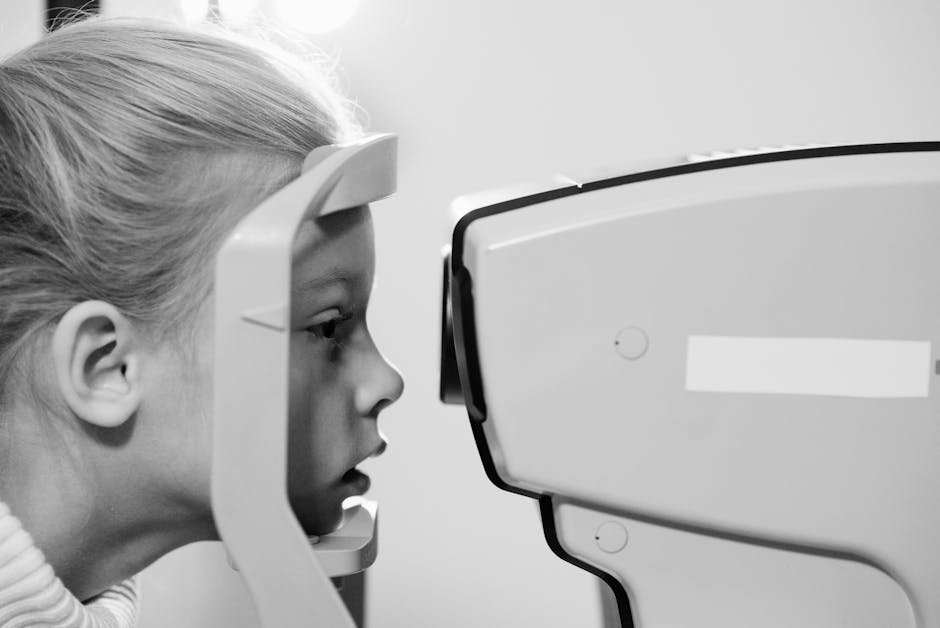
It also helps to book an eye test if your vision has changed, your prescription feels weak, or you get headaches when reading signs. The NHS recommends regular eye tests, and an optician can confirm whether your current correction still works well for driving. Those looking into driving test eyesight check will find this useful.
On the day, clean your lenses, allow extra time, and avoid assuming you will manage without visual aids. A calm routine makes a difference because stress can affect focus, especially when you face the examiner outside the test centre. This is a critical factor for driving test eyesight check.
Useful statistic
The NHS says more than 2 million people in the UK live with sight loss that affects daily life. Source: NHS.uk.
What happens if you fail the driving test eyesight check?
If you fail the driving test eyesight check, the test will not continue. The examiner will record the result as a fail, because you must meet the legal eyesight standard before you can drive on public roads.
At the test centre, you will usually need to read a number plate from 20 metres for vehicles with the current style plate. If you cannot do that, even with glasses or contact lenses if you need them, the examiner may report the issue to the DVSA and you should not drive until the problem is sorted. It matters greatly when considering driving test eyesight check.
You can check the official visual rules on the Gov.uk driving eyesight rules page. If your sight has changed, book an eye test before you arrange another practical test, and make sure your prescription is up to date. How To Prepare For Your Practical Driving Test: A Checklist
Statistic: According to the NHS, more than 2 million people in the UK live with sight loss that affects daily life. Source: NHS vision loss information.
In practice, many learners fail this check because they wear glasses for lessons but forget them on test day, or they rely on an old prescription that no longer gives clear distance vision.
Can I wear glasses or contact lenses for the driving test eyesight check?
Yes, you can wear glasses or contact lenses for the driving test eyesight check. If you normally use visual aids for distance vision, you should wear them for the number plate check and for the full test.
This is completely normal, and the examiner expects it. The key point is simple, your vision must meet the required standard with your glasses or contact lenses on, and you should bring a spare pair if you have one in case of damage or discomfort.
If you are unsure whether your prescription is strong enough, arrange an eye test before test day through your optician or review general eye care advice on the NHS eye test guidance. Driving Test Success Review: Effective and Affordable
Statistic: The NHS recommends regular sight tests because they can detect changes in vision before they become obvious in daily life. Source: NHS sight test information.
Expert insight.
Should I tell the DVLA if my eyesight changes?
Yes, in many cases you should tell the DVLA if your eyesight changes and it affects your ability to drive safely. This matters whether the change happens gradually or after an illness, injury, or diagnosis from an optician or hospital specialist.
The exact rule depends on the condition, not just whether you wear glasses. You can check the official list of reportable conditions through the Gov.uk health conditions and driving service, which explains when you must report a problem and what happens next.
If you ignore a reportable eyesight issue, you could put yourself and others at risk, and it may also affect your insurance position. If you need extra support understanding your rights or responsibilities, the Citizens Advice motor insurance guide is also useful. Mock Tests As A Way To Build Familiarity With Exam Conditions
Statistic: The Department for Transport reports that defective eyesight remains a recognised factor in some road collisions, which is why legal visual standards matter. Source: UK road safety statistics.
What practical issues cause people to fail the driving test eyesight check, even when they think their vision is fine?
Many failures happen because candidates underestimate real-world conditions rather than because they have severe sight problems. Dirty glasses, old prescriptions, glare, anxiety and poor familiarity with UK number plates can all affect the driving test eyesight check. The legal standard sounds simple, but reading a plate clearly at the required distance depends on contrast, light and sharp focus. Small mistakes on the day can therefore matter more than people expect.
Common problems that catch candidates out
A very common issue is wearing glasses or contact lenses with an outdated prescription. Vision can change gradually, so you may not realise your distance vision has weakened until you try to read a plate outdoors, especially in bright sun or dull weather. If you have any doubt, arrange an eye test through NHS guidance on eye tests or a registered optician before your test date.
Another overlooked problem is lens condition. Scratched glasses, smeared lenses and dry contact lenses can reduce contrast and clarity enough to affect number plate reading. This matters because the examiner will not adjust the requirement for discomfort, glare or tired eyes, and if you cannot meet the eyesight standard, the test cannot continue. How To Prepare For Your Practical Driving Test: A Checklist
Why conditions on the day matter
The environment can also make the task harder than expected. Low winter light, reflections after rain and bright glare can all make black characters on a white or yellow plate less distinct, even for someone who usually sees well. Practising outdoors at the same sort of distance used in the test gives a more realistic check than reading signs indoors or relying on everyday confidence.
The DVSA states that you must be able to read a number plate from 20 metres for vehicles with the current-style plate. That standard sits at the very start of the practical test, so there is no opportunity to recover later with stronger driving performance if you fail it.
Statistic: The UK Government explains that learner drivers must read a vehicle number plate from 20 metres before the test begins, and if they fail, the test ends immediately. See the GOV.UK eyesight check rules for the driving test.
Practical example: A learner who drives well in lessons wears contact lenses that become dry during an early morning test. They can usually read signs, but struggle to make out one character on the plate in bright glare. A simple fix would have been carrying glasses as a back-up and using lubricating drops approved by their optician before arriving.
How does the driving test eyesight check compare with the legal eyesight standard after you pass?
The driving test eyesight check is only the gateway, not the full picture of your legal duty once you have a licence. Passing that one number plate check does not remove your ongoing responsibility to meet the visual standard every time you drive. If your eyesight changes later, you must still make sure you can see well enough and, in some cases, tell the DVLA about a relevant condition.
Test-day check versus ongoing legal responsibility
The practical test uses a quick roadside measure, reading a number plate at the set distance, because it is simple and consistent. After you pass, the legal expectation goes wider than that single moment. You must continue to meet the standard for driving, use corrective lenses if needed and stop driving if your vision no longer makes driving safe.
This matters for people with conditions such as cataracts, glaucoma, diabetic eye disease or double vision. Some visual problems develop slowly, which means a person may technically have passed the driving test eyesight check years earlier but no longer meets the standard now. GOV.UK gives official guidance on health conditions and driving.
When to seek advice and when to stop driving
If signs look blurred, headlights flare badly or you need to strain to read plates, book an eye test promptly. The NHS advises regular sight checks and urgent assessment for sudden changes in vision, pain, flashes or loss of sight. You can use NHS advice on vision problems as a starting point, but a clinician or optician should guide decisions about driving safety.
Insurance and liability issues also matter. If you keep driving while knowing your eyesight has worsened, that may create serious legal and financial risks after a collision. The practical test standard is therefore best seen as a minimum benchmark, not proof that your vision is permanently suitable for driving.
Statistic: According to the Department for Transport road safety figures referenced in UK reporting, defective eyesight remains a recognised contributory factor in some collisions, which supports the need for ongoing visual checks after passing your test.
Practical example: A driver passed their test at 18 and never had another eye test until their early 30s. They start missing road signs at night and struggle with number plates in rain, but assume they are just tired. An eye test shows a prescription change, and new glasses restore safe distance vision, avoiding a possible DVLA issue and reducing risk on the road.
What should you do if you are close to the limit or worried about marginal eyesight before the test?
If you think your vision is borderline, treat that as a warning sign and test it properly before your appointment. Do not rely on guesswork, a phone-based eye chart or the fact that you managed lessons without obvious trouble. The smartest approach is to check your distance vision in realistic outdoor conditions, confirm your prescription is current and have a clear back-up plan for glasses or contact lenses on the day.
How to check properly before test day
Start with the same task you will face in the test, reading a clean current-style number plate from 20 metres in daylight. Practise in more than one setting because lighting, rain and glare can alter clarity. If you only just manage it, book an optician appointment rather than hoping for better conditions on the day.
If you wear correction, bring it to every lesson and keep a spare pair if possible. Candidates sometimes forget glasses, lose a contact lens or arrive with irritated eyes. Building a simple pre-test routine reduces avoidable risk, and it also helps you stay calm because you know your vision has been checked recently. Learner Driver Kit Review
Your next step is straightforward, go outside today, check a number plate from the proper distance, and if there is any uncertainty, book a sight test and review the official guidance on Gov.uk driving eyesight rules.
📚 You May Also Like
Jul 23, 2025
Jul 14, 2025