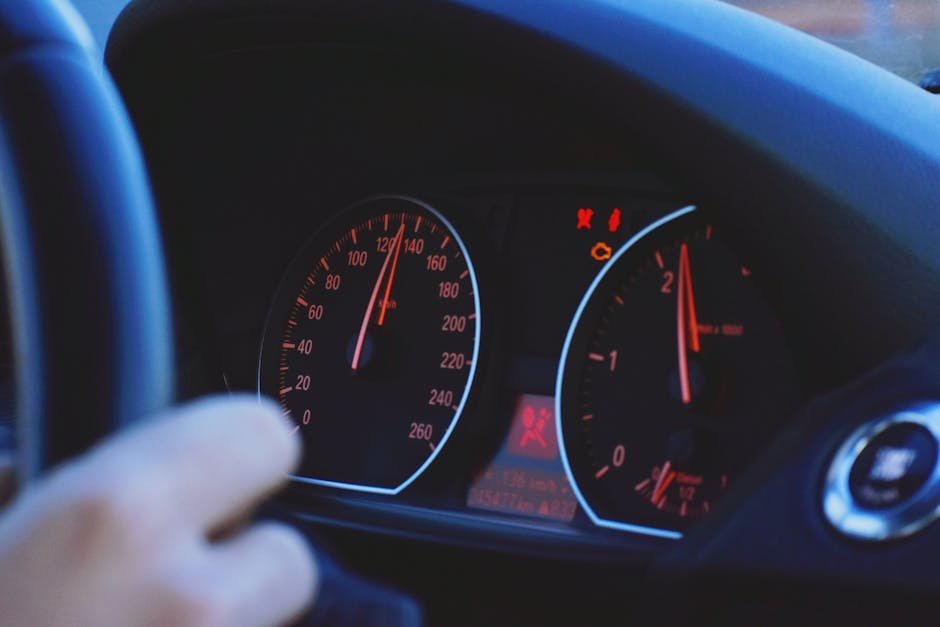

New driver speed limit uk rules often cause confusion for learners, newly qualified motorists, and even parents trying to give advice. You may hear different answers from friends, instructors, and social media, which makes it hard to know what is actually legal. This guide explains the current rules, clears up common myths, and shows where to check the official guidance.
You can find more helpful resources on drivinginstructornearme.net.
Key Takeaways
- New drivers usually follow standard UK speed limits.
- There is no separate national speed cap.
- Road signs always override general limits.
- Six penalty points can revoke a new licence.
- Check official rules on Gov.uk and the Highway Code.
Is there a special speed limit for new drivers in the UK?
No, there is no separate national speed limit that applies only to newly qualified drivers in most parts of the UK. The new driver speed limit uk question usually comes from confusion about probationary rules, which affect penalty points, not the posted speed itself.
In England, Scotland, and Wales, new drivers must follow the same signed speed limits as other motorists unless a local rule says otherwise. That means the limit depends on the road, the vehicle, and the signs you can see. This is directly relevant to new driver speed limit uk.
The confusion often comes from the New Drivers Act. Under Gov.uk, if you get six or more penalty points within two years of passing your first driving test, DVLA will revoke your licence and you must apply again. For anyone researching new driver speed limit uk, this point is key.
Why people get this wrong
Many learners hear that new drivers are only allowed to drive at a lower speed after passing. That is not a general UK rule, although some employers, insurers, or local schemes may set their own expectations. This applies to new driver speed limit uk in particular.
Government guidance explains the real issue. Gov.uk states that collecting six penalty points within the first two years leads to revocation of your licence, which is why speeding matters so much for a new driver. Those looking into new driver speed limit uk will find this useful.
Statistic: New drivers who gain 6 penalty points within 2 years of passing can lose their licence, according to Gov.uk.
What speed limits must learners and new drivers follow?
Learners and newly qualified motorists usually follow the standard UK speed limits shown by road signs and set out in the Highway Code. So, if you are searching for the new driver speed limit uk rule, the answer is usually the same limit that applies to everyone else on that road.
For cars, the national speed limit is usually 30 mph in built-up areas with street lights, 60 mph on single carriageways, and 70 mph on dual carriageways and motorways, unless signs show something different. You should always check the road signs first because they override general guidance. This is a critical factor for new driver speed limit uk.
This matters even more on unfamiliar roads. Temporary restrictions near roadworks, schools, or average speed camera zones can change the legal limit quickly, so you need to scan ahead and adjust early. It matters greatly when considering new driver speed limit uk.
Standard limits drivers should know
- 30 mph in built-up areas, unless signed otherwise
- 60 mph on single carriageways
- 70 mph on dual carriageways
- 70 mph on motorways
The Highway Code gives these limits for cars and motorcycles, but lower limits can apply to other vehicles or towing. If you want a quick refresher, see. This is especially true for new driver speed limit uk.
Statistic: The Highway Code lists the national speed limit for cars as 60 mph on single carriageways and 70 mph on dual carriageways and motorways, see Gov.uk.
What happens if a new driver gets caught speeding?
If a new driver gets caught speeding, the outcome can include a fixed penalty, points on the licence, a speed awareness course in some cases, or court action for more serious offences. For anyone worried about the new driver speed limit uk rules, the biggest risk is not a lower speed cap, but losing your licence after points.
Police and camera enforcement teams decide the next step based on the speed, the road, and the circumstances. A minor offence may lead to three penalty points, but repeat offences or higher speeds can bring harsher penalties. The same holds for new driver speed limit uk.
That creates a real problem in the first two years after passing. If you reach six points in that probationary period, your licence can be revoked and you will need to reapply for a provisional licence and pass both tests again. This is worth considering for new driver speed limit uk.
Why the first two years matter most
New drivers often assume a speeding ticket is just a fine. In reality, points can affect your licence, insurance costs, and confidence behind the wheel. This insight helps anyone dealing with new driver speed limit uk.
ACAS does not set driving penalties, but official motoring rules are clear on this point. Gov.uk explains that the probationary period starts from the date you pass your first practical test, not from when you buy a car or insurance policy. When it comes to new driver speed limit uk, this cannot be overlooked.
Statistic: During the first 2 years after passing, reaching 6 points triggers licence revocation, according to Gov.uk.
Can new drivers only do 70mph?
No. A new driver in the UK follows the same national speed limits as any other full licence holder, unless a lower local limit applies. Your status as a recently qualified driver affects penalty thresholds, not the legal top speed on a given road. This is a common question in the context of new driver speed limit uk.
That means you can drive at up to 30mph in built-up areas unless signs show otherwise, and up to 60mph or 70mph on roads where the national speed limit applies. You still need to match your speed to weather, traffic and visibility, because the limit is not a target. This is directly relevant to new driver speed limit uk.
You can check official limits and road sign guidance on Gov.uk speed limits. If you are unsure how a road is classified, revisit the Highway Code through the Highway Code rules and practise spotting repeater signs and dual carriageway features.
Statistic: Gov.uk states that the national speed limit is generally 60mph on single carriageways and 70mph on dual carriageways and motorways for cars, according to the official speed limits page.
In practice, many learners assume a “new driver speed limit uk” rule exists because insurers, parents or friends mention staying under 70mph. That advice may be sensible for confidence, but it is not a separate legal limit for new drivers.
What happens if a new driver gets caught speeding?
A speeding offence can lead to points, a fine, or a speed awareness course if offered. For new drivers, the key issue is simple, if you reach 6 penalty points within 2 years of passing, DVLA will revoke your licence. For anyone researching new driver speed limit uk, this point is key.
Revocation is not the same as a short ban ordered by a court. You go back to learner status, apply for a new provisional licence, and pass both the theory and practical tests again before driving alone. This applies to new driver speed limit uk in particular.
The exact outcome depends on how serious the offence was and whether you already have points on your record. For a wider view of fines, disputes and legal rights, Citizens Advice on traffic fines can help alongside official DVLA and court guidance.
Statistic: During the first 2 years after passing, reaching 6 points triggers licence revocation, according to Gov.uk new driver rules.
Expert insight.
Do insurance companies care if a new driver speeds?
Yes. Insurers care a great deal because speeding convictions suggest higher risk, and that often means higher premiums. Even one endorsement can affect quotes, and serious offences may reduce the number of insurers willing to offer cover. Those looking into new driver speed limit uk will find this useful.
When you apply for insurance, answer every question honestly and declare convictions when asked. If you hide a motoring offence, your insurer could increase the premium later, refuse a claim, or cancel the policy. This is a critical factor for new driver speed limit uk.
Cost pressure matters for most young motorists, so it helps to compare policies carefully and check what is included before you buy. The MoneyHelper car insurance guide explains how insurers assess risk, while official motoring rules stay available through Gov.uk driving and transport.
Statistic: The Office for National Statistics reported that car insurance and maintenance costs were among the transport expenses affecting household budgets, according to ONS data.
Can a new driver face lower limits from insurers or telematics, even when the legal speed limit stays the same?
Yes. The legal answer to the new driver speed limit uk question is simple, a newly qualified driver follows the same posted limits as any other motorist unless a court imposes a separate restriction. However, insurers can set policy conditions through telematics, such as alerts for harsh acceleration, repeated night driving, or frequent speeding events. Those rules do not change road law, but they can affect premiums, renewal terms, or whether cover continues.
That distinction matters because many first-time drivers confuse an insurer warning with a legal penalty. If a black box policy says you must avoid speeding, it usually means the insurer will score your driving against the signed limit and your road behaviour, not create a private 50 mph cap on national speed limit roads. It matters greatly when considering new driver speed limit uk.
When you compare policies, read the key facts and cancellation terms before you buy. A cheap quote can become expensive if the provider adds fees, restricts mileage, or marks down your driving score for patterns that increase risk rather than for one isolated mistake, which is why remains relevant after you pass. This is especially true for new driver speed limit uk.
How telematics affects real-world driving
Telematics usually tracks speed against the road limit, braking, cornering, mileage and time of travel. That means a new driver who sticks to legal limits but drives aggressively may still face insurer action, while a calm driver on the same route may keep a better score and a better renewal offer. The same holds for new driver speed limit uk.
If you receive alerts, act early rather than waiting for renewal. Check journey logs, ask the insurer how scores are calculated, and keep copies of messages in case you need to challenge inaccurate data or a disputed cancellation under your policy terms. This is worth considering for new driver speed limit uk.
According to the Office for National Statistics, in the year ending June 2024 there were 1,633 road deaths in Great Britain, based on reported road collision data published by ONS: road traffic accident statistics.
For example, a 19-year-old passes in July and buys a telematics policy. She drives at 60 mph on a single carriageway national speed limit road, which is lawful if conditions are suitable, but the box records late-night trips, hard braking and two brief speeding events in 30 zones, leading to a warning and a higher renewal quote. This insight helps anyone dealing with new driver speed limit uk.
How should a new driver adjust speed when the posted limit is not the safest speed?
The speed limit is a ceiling, not a target, and that point catches out many newly qualified drivers. You must drive at a speed that fits visibility, weather, traffic, road surface and hazards, even if that means travelling well below the signed maximum. For the new driver speed limit uk topic, this is where legal compliance and safe judgement start to separate, because a driver can stay within the limit yet still drive carelessly.
This matters most on rural roads, bends, country lanes and wet urban streets. New drivers often focus on signs but miss hidden junctions, cyclists, horses, mud, standing water or the longer stopping distance that comes with rain, darkness and cold tyres. When it comes to new driver speed limit uk, this cannot be overlooked.
Reading the road, not just the sign
Use the limit as your outer boundary, then scan for reasons to reduce speed. If you cannot stop safely within the distance you can see to be clear, you are too fast, even on a familiar road with a national speed limit sign.
The Highway Code expects drivers to adjust speed to the conditions, and Gov.uk guidance links speeding with increased risk and severity of collisions. You can review official motoring rules through Highway Code and road safety guidance and broader driving information at Gov.uk driving services.
Department for Transport figures have long shown that higher speeds increase both stopping distances and crash severity, which is why roads policing and camera enforcement focus on excess speed as well as inappropriate speed for conditions. That principle matters as much to a newly qualified driver as it does to someone with twenty years behind the wheel.
For example, a new driver on a 60 mph rural road meets oncoming headlights, drizzle and a blind bend with a farm entrance beyond it. Although the signed limit stays 60, dropping to 35 or 40 mph may be the safer and more defensible choice, especially if a horse rider, tractor or pedestrian could appear without warning.
What are the hidden legal and practical consequences of a speeding conviction in the first two years?
The biggest risk is not the fine on its own, but the chain reaction that follows. Under the New Drivers Act, reaching six penalty points within two years of passing your first practical test leads to licence revocation, which means you return to learner status and must reapply and retake both tests. A single serious speeding offence can bring enough points to trigger that result, so early mistakes carry far more weight.
Revocation is different from a short-term ban, and many new drivers do not realise that until it happens. You cannot simply carry on after paying the penalty, because your full entitlement ends and your insurer may also reassess the policy or increase the premium sharply.
Why six points changes everything
Even where court action is avoided, points can affect work, commuting and future costs for years. If you rely on driving for employment, you may also need to discuss the issue with your employer, especially where contracts require a clean licence or prompt disclosure of motoring convictions.
You can check the official rules on endorsement, penalty points and losing your licence through Gov.uk penalty points and endorsements. If a driving issue affects your job, general workplace rights guidance is available from Acas, and can help you compare common scenarios.
Gov.uk states that your licence will be revoked if you get six or more penalty points within two years of passing your test. For many speeding offences, police can issue 3 points, while more serious cases can lead to 4 to 6 points or disqualification, which shows how quickly risk builds.
For example, a driver passes in March, then receives 3 points for 35 in a 30 and later
| Option | Best For | Cost |
|---|---|---|
| Provisional driving licence | People starting lessons and learning legally on UK roads | £34 online, £43 by post |
| Theory test | Learners who need to pass before booking a practical test | £23 |
| Car practical driving test | Learners ready to qualify for a full licence | £62 weekday, £75 evenings, weekends and bank holidays |
| Speed awareness course | Drivers offered an alternative to points for a lower-level speeding offence | Usually around £80 to £100, varies by police force |
| Licence renewal after revocation | New drivers who lose their licence under the New Drivers Act and need to restart | £20 |
Frequently Asked Questions
Is there a special speed limit for new drivers in the UK?
No, there is no separate national speed limit just for newly qualified drivers in the UK. New drivers must follow the same road speed limits as everyone else, including 20, 30, 40, 60 and 70 mph where signed and permitted. The extra rule is stricter penalty risk, because reaching 6 points within two years can lead to licence revocation.
Do new drivers lose their licence at 6 points?
Yes, if you collect 6 or more penalty points within two years of passing your first practical driving test, your licence can be revoked under the New Drivers Act. That does not mean a lifetime ban, but you must apply for a new provisional licence and pass both tests again. You can check the official rules on new drivers and penalty points.
Can a new driver go on a motorway in the UK?
Yes, a qualified new driver can use a motorway as soon as they pass their test. Learner drivers can also use motorways in England, Scotland and Wales if they are with an approved driving instructor in a car fitted with dual controls. You still need to follow motorway speed limits, lane discipline and smart motorway signs carefully.
What happens if a new driver gets caught speeding?
The outcome depends on how far over the limit you were and the circumstances. Police may offer a speed awareness course in some cases, or issue a fixed penalty with points and a fine. More serious offences can go to court, which may mean more points, a larger fine or disqualification, so early legal advice from Citizens Advice can help if the case is complex.
How can new drivers avoid speeding without realising it?
Start by checking road signs more often than your speedometer habits from lessons might suggest, especially when moving between residential roads, dual carriageways and variable limit areas. Leave earlier, keep a larger gap, and use your car’s speed limiter if it has one. A short refresher lesson after passing can also build safer habits and reduce mistakes.
Our motoring content is written by a UK SEO writer with experience producing accurate, reader-focused guidance on driving law, learner rules and road safety topics.
📖 Related Articles
Final Thoughts
The key point on new driver speed limit uk rules is simple, there is no separate lower speed cap, but the penalty system is much less forgiving in your first two years. Follow posted limits exactly, understand how quickly 6 points can build up, and take extra care on unfamiliar roads where limits change fast.
Your next step is to review the latest Highway Code guidance on speed limits and road signs at Gov.uk Highway Code, then set a personal routine for checking signs, planning journeys and keeping your speed under control every time you drive.
📚 You May Also Like
Oct 27, 2025